


|
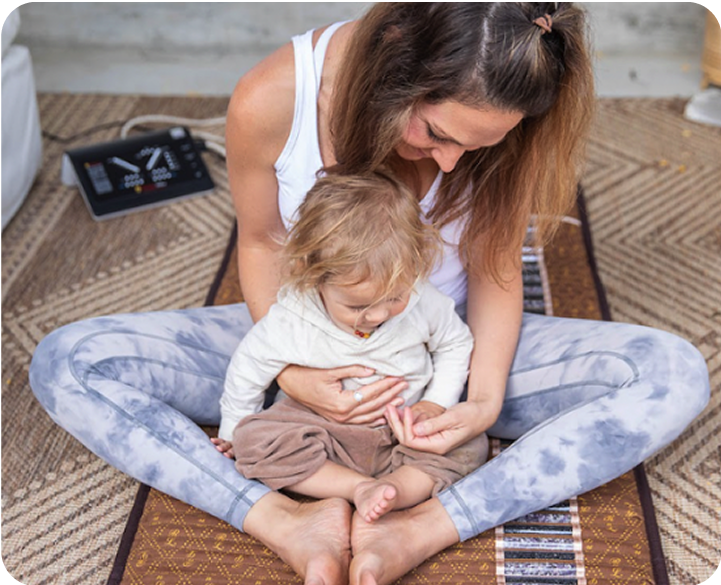
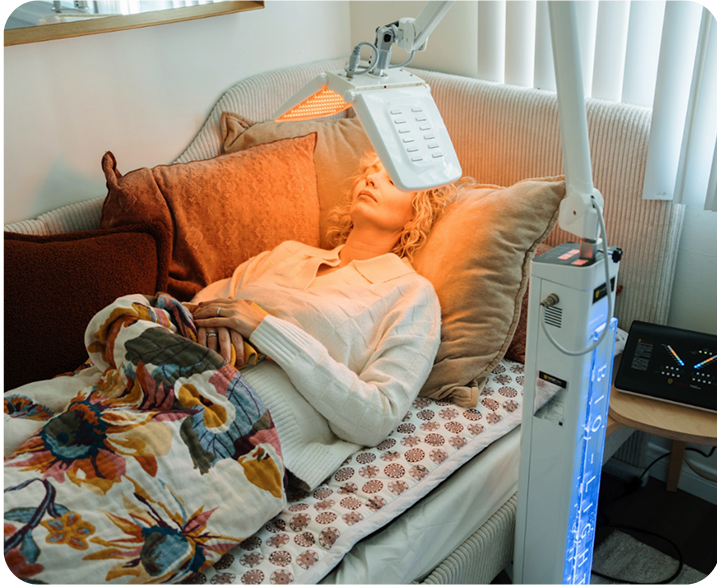
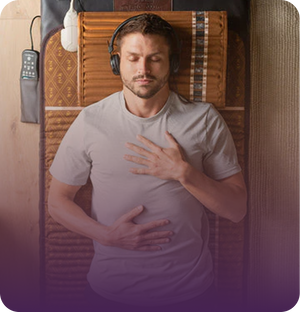
Definition: The BioMat® supports stress and anxiety relief through two simultaneous physiological mechanisms. First, Far Infrared heat reduces cortisol and shifts the nervous system from the alert state toward the rest state. Then, Negative Ions generated by heated black Tourmaline crystals may help decrease stress markers and support mood regulation. Unlike breathing exercises or calming apps that work at the cognitive level, these mechanisms work at the physiological level, changing the body's stress chemistry rather than just the mind's interpretation of it. The Science Behind It: Stress keeps cortisol elevated, which is why it's so hard to simply decide to relax when you're under sustained pressure. Far Infrared triggers vasodilation, supporting cortisol clearance by promoting better circulation and endorphin release. Meanwhile, Negative Ions from heated Tourmaline crystals have been associated with reduced stress markers. Real-Life Use Examples:
Interesting Fact: An independent 12-week study by Dr. George Grant documented up to 78% cortisol reduction through consistent daily BioMat® use, making it one of the few passive wellness devices with independent clinical evidence of cortisol reduction at this scale. |
Key Takeaways:
- Cortisol Reduction Is Measurable: An independent study documented up to 78% cortisol reduction through consistent BioMat® use.
- Negative Ions Support Stress Chemistry: Research associates Negative Ion exposure with reduced stress markers and mood support, addressing pathways that Far Infrared heat alone doesn't reach.
- The Physiological Bodily Shift: Far Infrared triggers a shift in which the body gradually enters rest mode rather than being forced to do so.
Telling a stressed person to relax doesn't change the cortisol in their bloodstream. Most stress relief tools, like apps, breathing exercises, and even meditation, work at the mental level. They change how you think about what you're feeling, which is valuable. But they don't directly address the physiological state your body is in. The BioMat® for anxiety works differently. Far Infrared heat and Negative Ion therapy address stress at the biological level, creating the physical conditions that make rest possible rather than just suggesting it.
The BioMat® has been used for stress support for over 25 years as an FDA 510(k) Class II registered Medical Device, trusted by more than 500,000 users and health professionals worldwide. This resource explains the stress physiology, how each BioMat® mechanism addresses it, and how to build a daily protocol that produces cumulative results.

BioMat® For Stress: How Stress Affects The Body
Stress isn't just a feeling. It's a cascade of physiological events, and when those events repeat every day without resolution, they start to affect sleep and overall well-being in ways that compound over time.
The Cortisol Problem
When the brain perceives a threat, it triggers cortisol release. In everyday modern life, those threats are persistent. Deadlines, financial pressure, relationship stress, and health concerns keep the stress response partially activated throughout the day, long past when it should have settled. So, when demands from your busy schedule start stacking up, you might start to wonder: Is it time for a stress intervention?
It’s a smart question to ask, especially when stress has crossed into a territory that warrants a more active response. The thing is, elevated cortisol suppresses immune function, disrupts sleep, and places your nervous system in a constant alert state that the body reads as an ongoing emergency. Infrared therapy for anxiety addresses this through thermal stimulation that impacts the body’s chemistry rather than just the experience of overwhelm.
Why Relaxation Techniques Only Go So Far
Breathing exercises, meditation, and mindfulness are all well-supported by research, and they're a meaningful part of any stress management picture. But they work primarily at the cognitive and behavioral level. They don't directly lower circulating cortisol or produce the shift that puts the body in rest mode. Basically, someone who meditates regularly but remains physiologically cortisol-elevated will still return quickly to baseline stress when the session ends. The BioMat® provides the physiological foundation that makes cognitive practices more effective. Breathe In, Breathe Out: Meditation Can Change Your Life explores how mindfulness and physiological approaches to stress can work together.

How The BioMat® Calms The Nervous System
The BioMat® addresses stress through three converging mechanisms, so each session works on stress management and physical tension at the same time.
Far Infrared, Cortisol Reduction, And Parasympathetic Activation
Far Infrared heat penetrating 6 to 8 centimeters into tissue triggers vasodilation, which widens your blood vessels so there’s more room for your body to clear cortisol out of your system. As cortisol falls, you may start to have an easier time relaxing. Our post on How the BioMat Works: Infrared, Amethyst and Ions covers the full mechanism behind how Far Infrared wavelengths, Amethyst crystal conductivity, and Negative Ion generation work together in every session.
Physical Tension Release
Stress deposits physical tension in predictable places, like the shoulders, neck, jaw, and upper back, through sustained nervous system activation. Far Infrared penetrates these structures at depth, helping you loosen up and lose that tense posture that often comes with elevated stress. BioMat® users regularly report a sense of physical ease after sessions that goes beyond what surface-level heat provides, which makes sense given that the warmth is reaching the muscle tissue where tension is actually held rather than just warming the skin above it.
Stress And Physical Recovery
Prolonged stress also increases oxidative stress in the body, a cellular-level consequence that doesn't resolve on its own just by feeling calmer. Essentially, these unstable molecules build up under stress and quietly damage healthy cells over time if left unchecked. Negative Ions from the BioMat®'s heated Tourmaline crystals may help neutralize free radicals associated with oxidative stress (Jiang et al., 2018). In fact, in an independent 12-week study, Dr. George Grant documented up to 78% cortisol reduction through consistent daily BioMat® use, making it one of the few passive wellness devices with independent clinical evidence of cortisol reduction at this scale.

The Advantages Of Negative Ion Therapy
Negative ion therapy adds a distinct therapeutic dimension that separates the BioMat® from standard heating devices.
Negative Ions Benefits For Mood And Stress Markers
Mood regulation is one of the more studied areas of Negative Ion research. Some preliminary research has found a potential link between Negative Ion exposure and mood improvement (Perez et al., 2013). Separately, research has associated Negative Ion exposure with reduced chromogranin A, a salivary marker of sympathetic nervous system activity, following stress-inducing tasks (Nakane et al., 2002).
In addition, some workplace studies have also noted improved focus and productivity in ion-enriched environments. The findings are still developing, and results vary, but the direction across the research is consistent: Negative Ion exposure appears to support the neurochemical conditions that stress disrupts. If you’d like to learn more, Relaxation: How the Mind Heals the Body covers how the mind-body connection shapes both stress and recovery.
How The BioMat® Delivers Negative Ions
Standard air ionizers disperse Negative Ions into a room’s air, where the concentration drops with distance from the device. In contrast, the BioMat®'s black Tourmaline crystals generate approximately 3,236 Negative Ions per cubic centimeter in direct contact with the body, which is nearly double the output of comparable Infrared mats. This contact-based delivery produces a meaningfully higher local ion concentration than dispersed air ionization, and because the BioMat® is used during physical body contact, the exposure is continuous throughout every session rather than ambient.
Why Crystal Consistency Matters
Natural Amethyst's hexagonal crystal structure distributes Far Infrared evenly across the entire mat surface without hot spots or uneven exposure. For nervous system calming specifically, that consistency matters. After all, uneven heat creates sensory variation that can maintain alertness rather than facilitating the gradual shift to rest. Ultimately, balanced distribution at comfortable temperatures over 30 to 40 minutes allows the body to settle progressively through the session.
Negative Ions Benefits In Practice: Four BioMat® Stress Protocols
These four approaches match different stress situations and schedules to specific BioMat® session configurations.
- Daily Evening Reset: 30 to 40 minutes at the Green setting, one hour before bed, may help decrease daily cortisol accumulation so the body enters sleep in a relaxed state.
- Pre-Event Calming: Using your BioMat® for 20 minutes at the Blue setting before high-stress events offers Negative Ion support plus soothing warmth. However, you can set your BioMat® to the No Heat / Negative Ion only setting to avoid drowsiness.
- Midday Stress Break: Try 15 minutes at the Blue setting during the workday for a physiological reset that doesn't require a full session commitment.
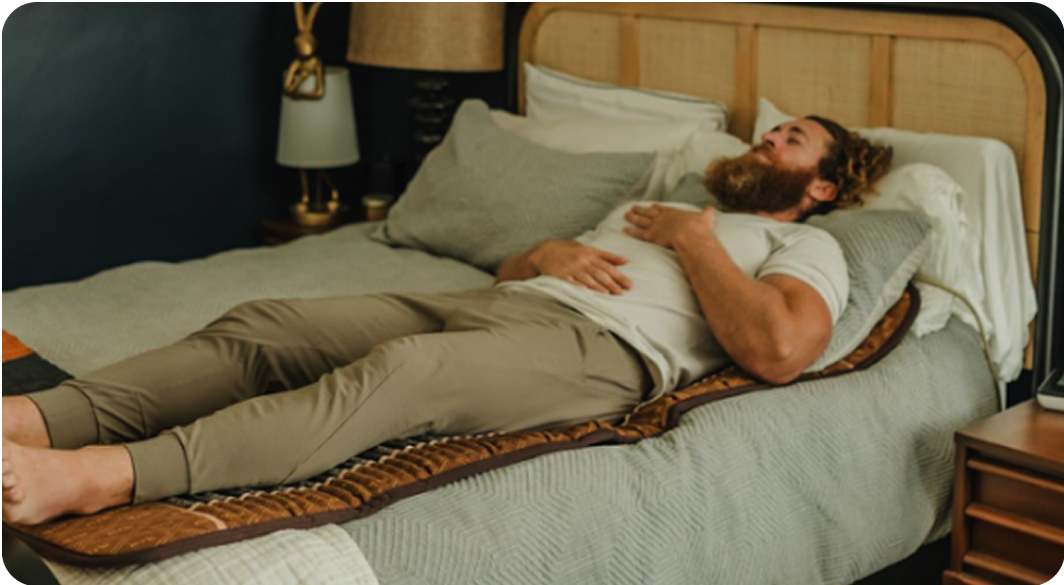
- Overnight Low-Level Therapy: The Blue or Green setting placed under the lower back or legs during sleep delivers sustained Negative Ion and Far Infrared exposure through the full sleep cycle.
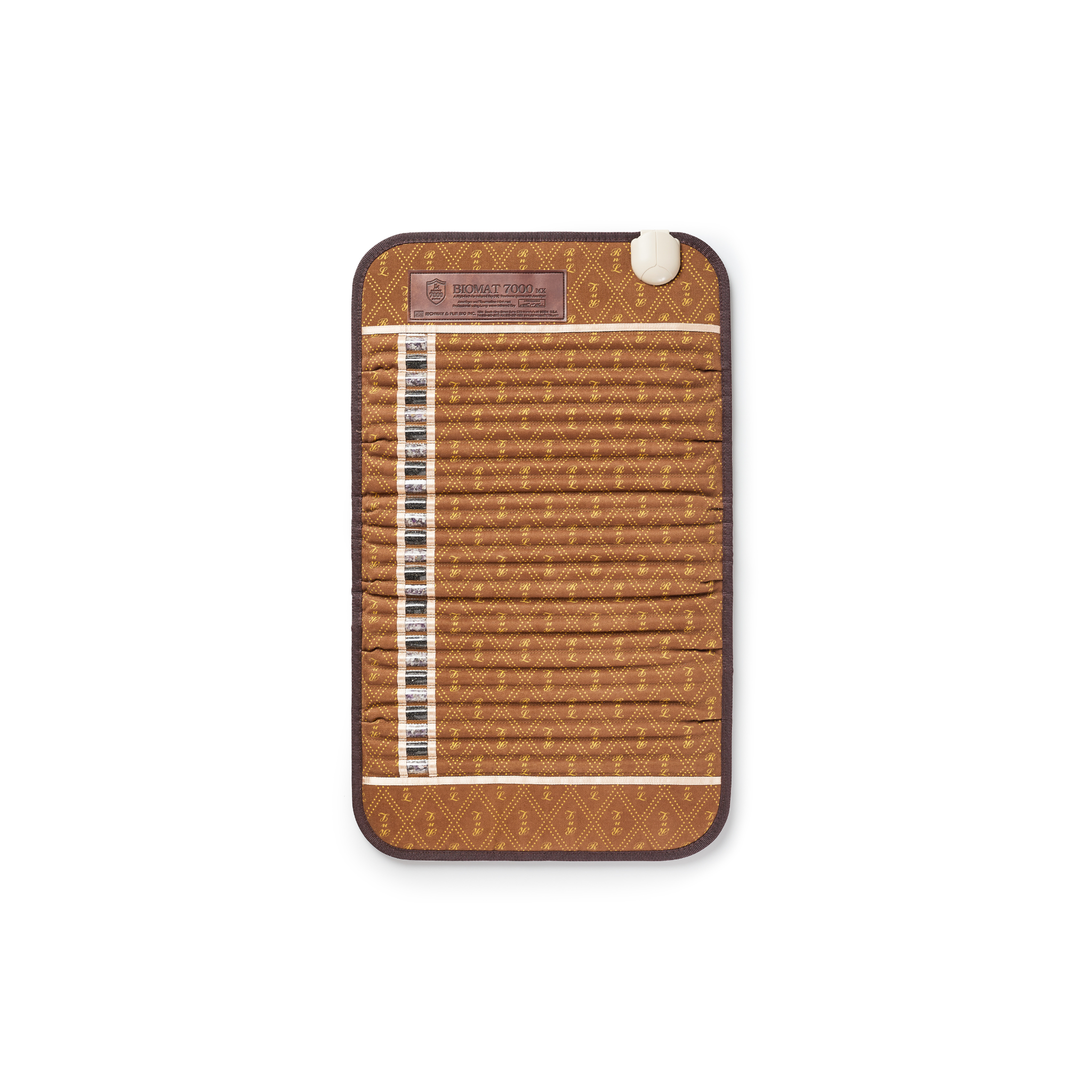
For stress management at the office, during travel, or anywhere away from home, the BioMat® Mini delivers the same Far Infrared and Negative Ion output in a portable format that fits on an office chair or in a carry-on.
Frequently Asked Questions About The BioMat® For Anxiety
Does the BioMat® help with physical symptoms of stress, like tight shoulders?
Yes. Far Infrared penetrates deep muscle tissue, supporting release of physical tension in the shoulders, neck, and upper back where stress tends to accumulate.
Does BioMat® replace therapy or medication?
No. Users with diagnosed disorders should continue prescribed treatment and consult their physician before adding BioMat® sessions to their routine.
What BioMat® temperature setting works best for general stress relief?
The Blue setting at 95°F delivers Negative Ions with gentle, low heat, which some users find more comfortable during moments of heightened stress. As always, if you're managing a diagnosed condition, consult your healthcare provider for personalized guidance.
Does combining BioMat® with meditation enhance stress relief outcomes?
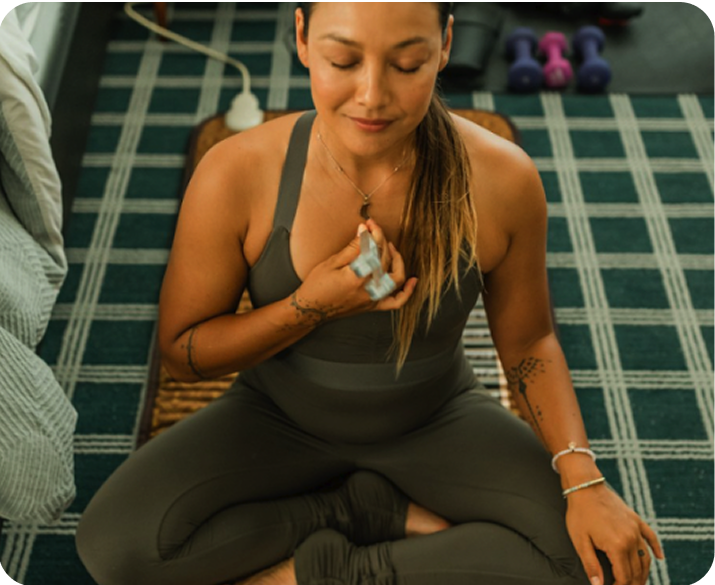
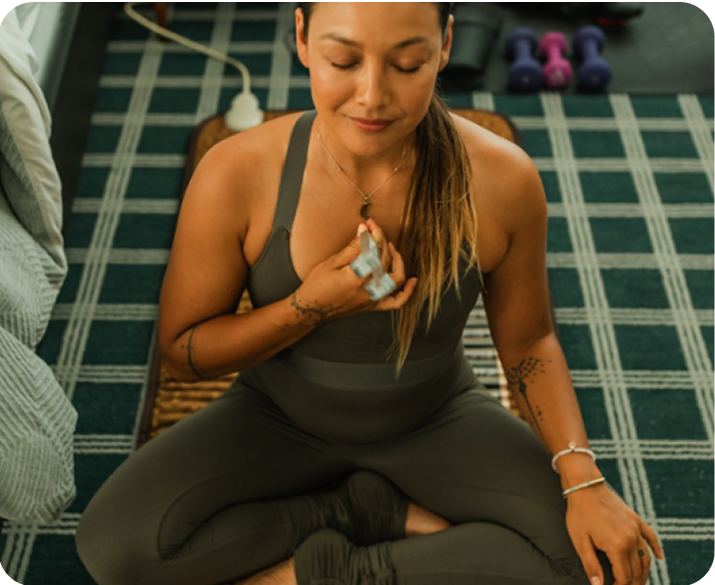
It might. Meditation works at the cognitive level while the BioMat® works physiologically. Both simultaneously address stress from complementary directions, and many users find the combination more effective than either alone.
Can children or teenagers use BioMat® for stress management?
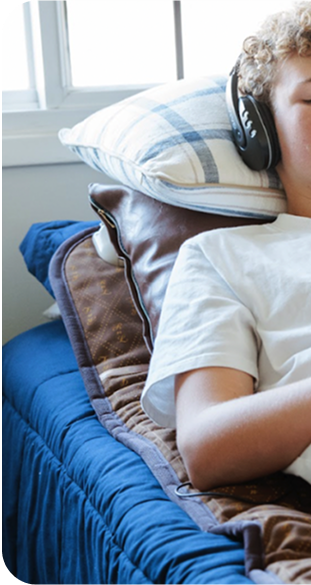
Children should always be supervised by an adult during sessions. For any minor managing a diagnosed condition, it's best to check with their doctor before starting use.
Is the BioMat® Mini as effective as the Professional for stress relief?
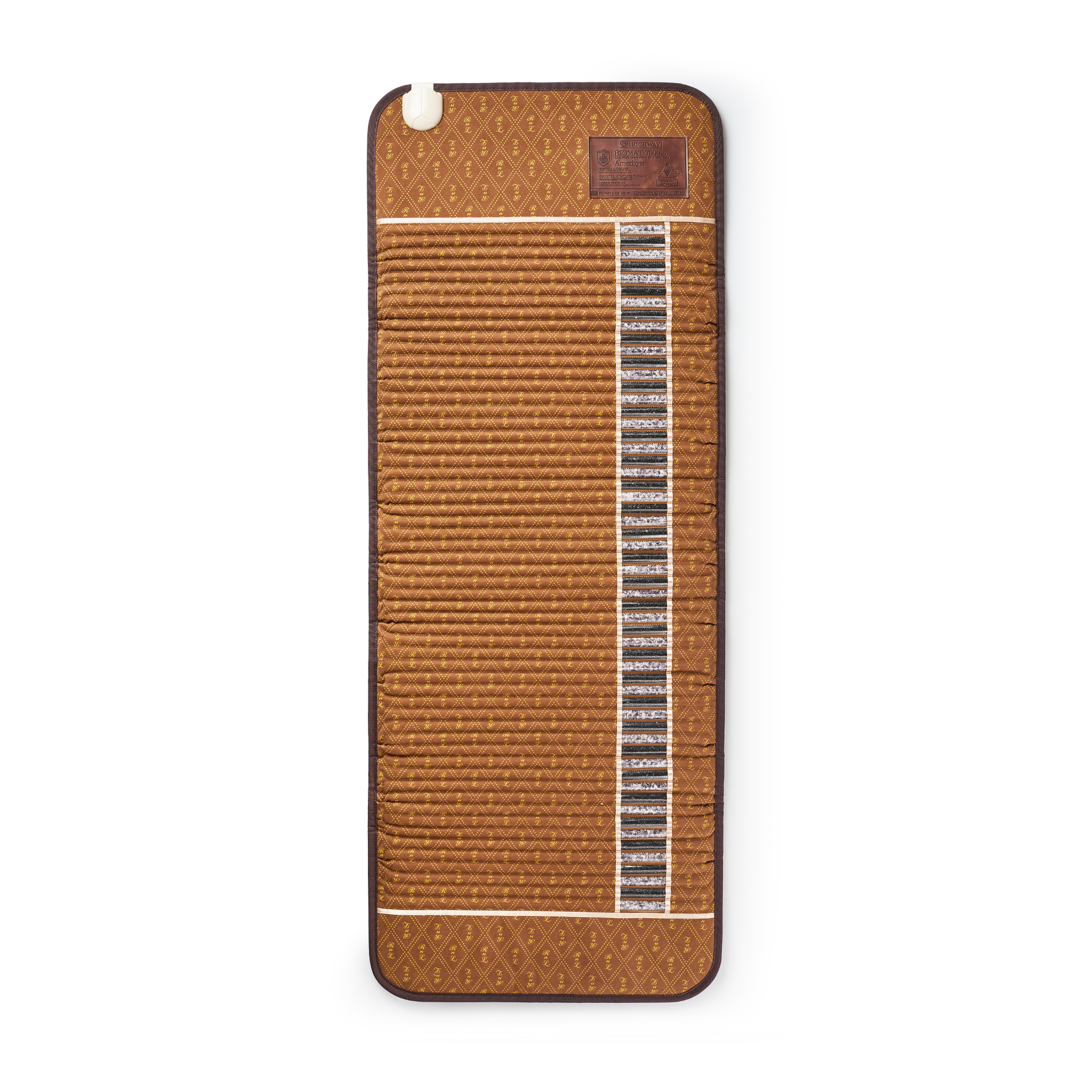
Yes. The Mini delivers identical Far Infrared and Tourmaline Negative Ion output per contact area. The difference is surface coverage, not therapeutic depth or mechanism.
Sources:
- Jiang, S. Y., Ma, A., & Ramachandran, S. (2018). Negative air ions and their effects on human health and air quality improvement. International Journal of Molecular Sciences, 19(10), 2966. https://doi.org/10.3390/ijms19102966
- Perez, V., Alexander, D. D., & Bailey, W. H. (2013). Air ions and mood outcomes: A review and meta-analysis. BMC Psychiatry, 13, 29. https://doi.org/10.1186/1471-244X-13-29
- Nakane, H., Asami, O., Yamada, Y., & Ohira, H. (2002). Effect of negative air ions on computer operation, anxiety and salivary chromogranin A-like immunoreactivity. International Journal of Psychophysiology, 46(1), 85–89. https://doi.org/10.1016/s0167-8760(02)00067-3
These statements have not been evaluated by the Food and Drug Administration. These products are not intended to diagnose, treat, cure, or prevent any disease. Specific medical advice should be obtained from a licensed health care practitioner.
Learn more about our editorial standards and medical review process.