

Key Takeaways:
- Different Mechanisms, Shared Goal: Weighted blankets and the BioMat® both support relaxation, the former through pressure stimulation, the latter through Far Infrared heat and Negative Ion generation.
- Regulatory Standing Differs: Research into weighted blankets is growing but still limited, particularly for adults. The BioMat® carries FDA 510(k) Class II Medical Device clearance for therapeutic indications that most weighted blankets don't hold.
- Know What Each Tool Is Built To Do: For people managing general stress and tension, knowing what each device has been verified to offer makes the comparison more useful.
Both weighted blankets and the BioMat® appear in the same searches for better rest, less tension, and a soothing way to wind down without a screen or a pill. That overlap makes sense. Both are physical tools that work with the body rather than around it, and both have genuine research backing.
Where they diverge is in mechanism, regulatory standing, and what each has been independently verified to do. At BioMat, we believe transparency about what our technology does, and what it does not do, is the honest way to help people make the right decision.
In this article, we’ll compare the BioMat® vs. weighted blankets so you can evaluate which one would work best for you.
Weighted Blanket For Sleep: What The Science Says
Weighted blankets work through deep pressure stimulation, the same principle behind swaddling infants or the calming effect of a firm hug. The added weight activates the parasympathetic nervous system, which may facilitate a smoother transition into rest. With that in mind, let’s take a closer look at the research.
What The Studies Show
To start, a randomized controlled trial found that 30-pound weighted blankets were associated with lower anxiety in adults during a stressful procedure, and a high percentage of participants reported enjoying them as a calming method (Mullen et al., 2008). From there, a separate study found associations between weighted blanket use and improved sleep quality in adults with insomnia, though the authors noted that larger trials are needed to confirm findings (Ackerley et al., 2015).
Perks And Limitations At A Glance
Generally speaking, weighted blankets are accessible, affordable, and easy to use. They require no power source, no setup, and no learning curve. For people who simply want a physical sense of comfort and containment, they're a legitimate and well-tolerated option.
With that in mind, the limitations are also worth naming. Weighted blankets work at the surface, so they don't generate heat and have no mechanism for reaching tissue below the skin. In addition, their FDA status is that of a general wellness product, not a cleared medical device with independently reviewed therapeutic indications.

Infrared Heat vs. Weighted Blanket: A Unique Mechanism
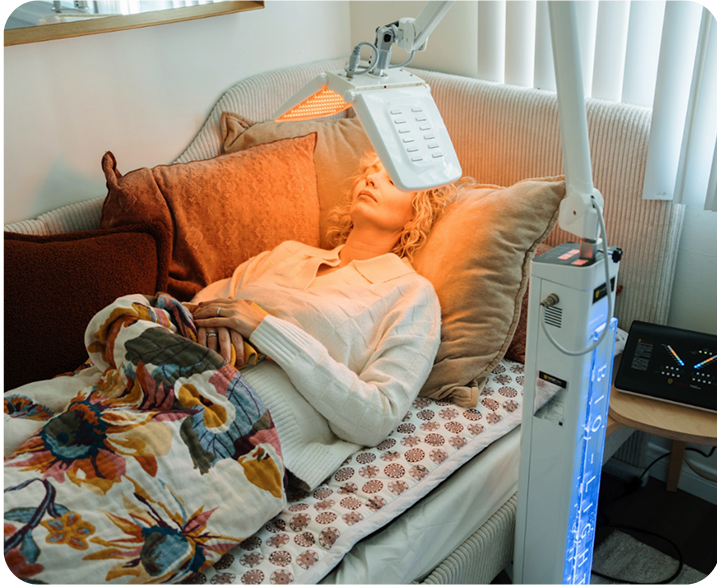
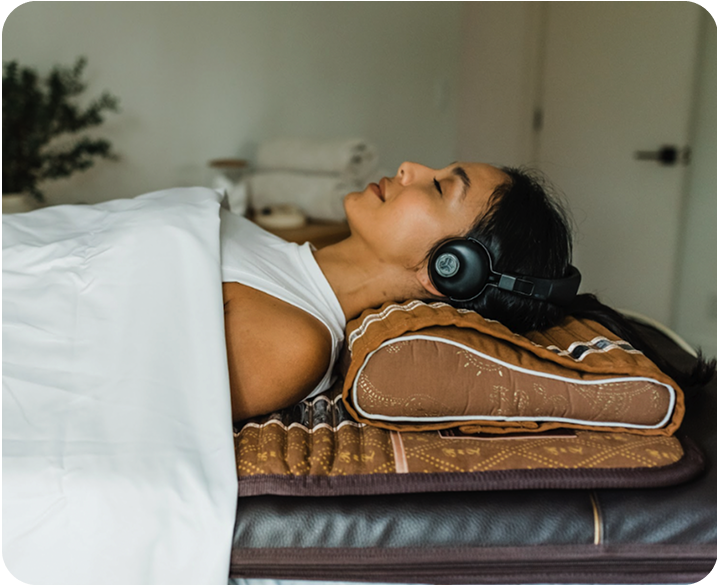
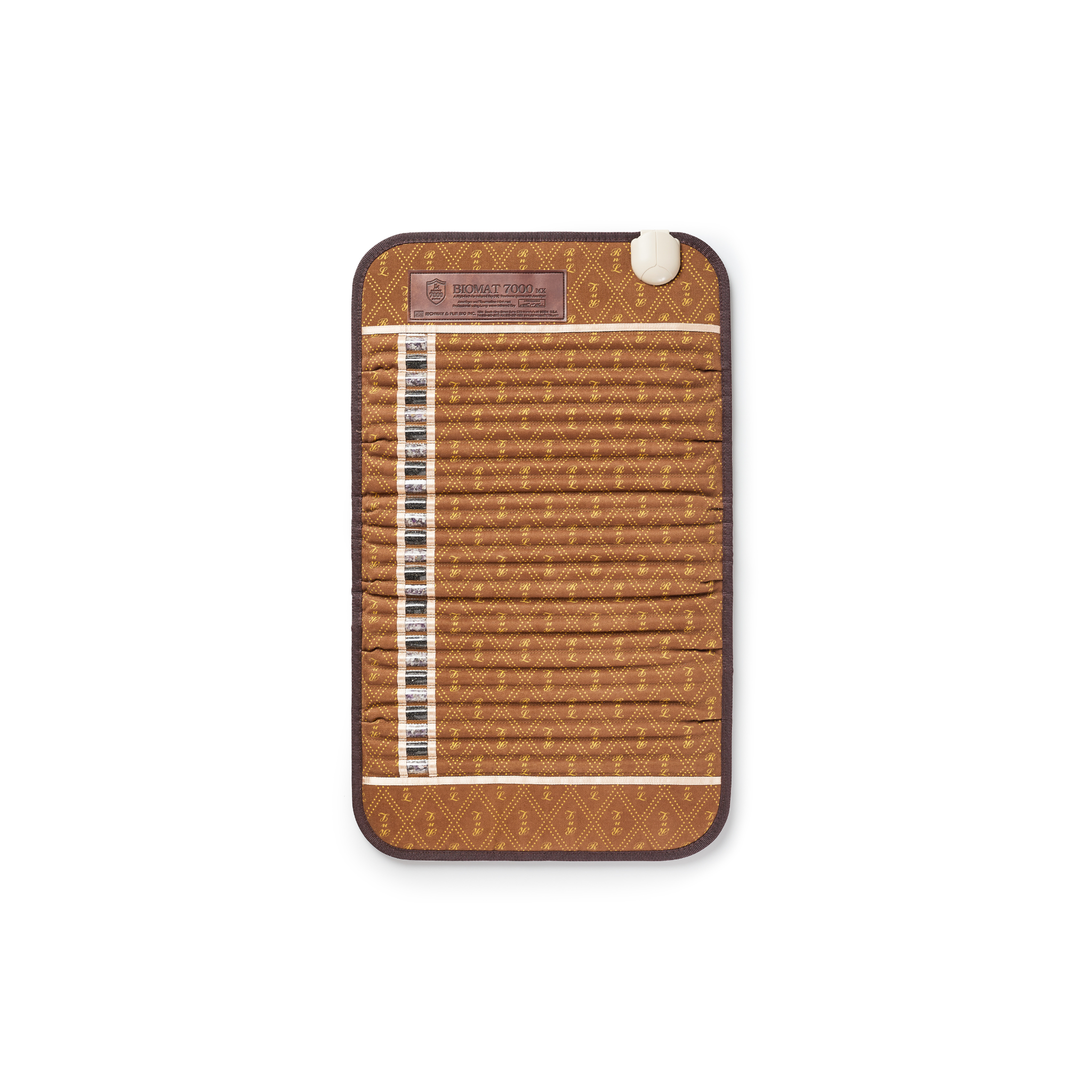
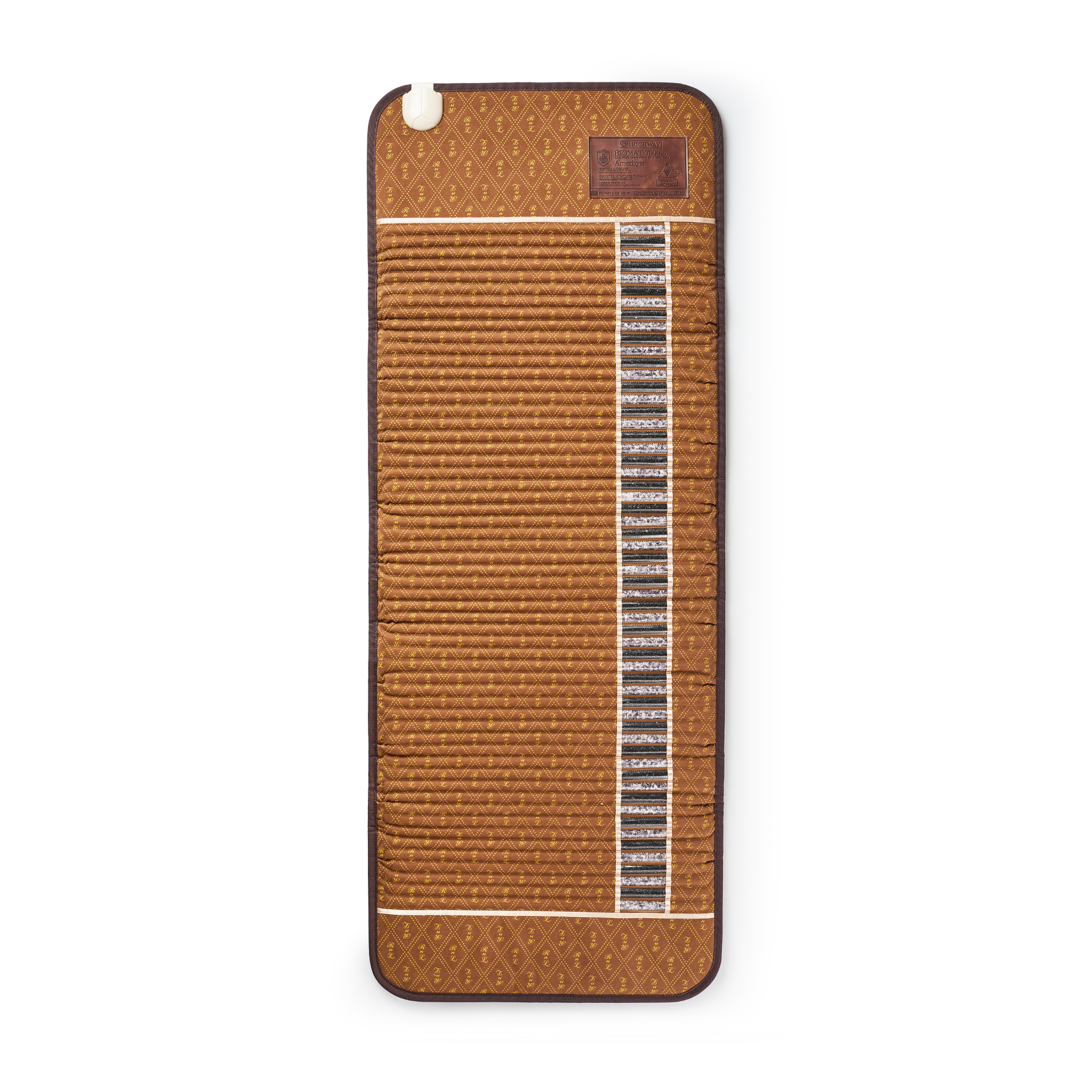
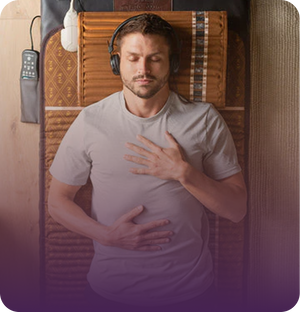
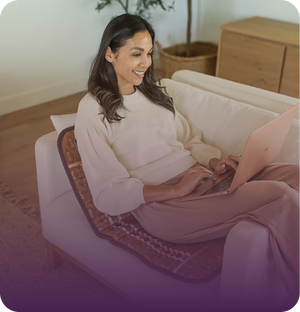
The BioMat® approaches relaxation and physical comfort through a fundamentally different pathway. Rather than applying external pressure, it delivers Far Infrared heat and Negative Ions through natural Amethyst and Tourmaline crystals, mechanisms that work from within the tissue rather than at the surface.
Deep Tissue Relief Through Far Infrared Heat
Far Infrared heat causes blood vessels to dilate, improving circulation and supporting muscle relaxation at a depth that a blanket, weighted or otherwise, can't reach. This is consistent with the BioMat®'s FDA clearance for temporary relief of minor muscle pain, muscle relaxation, and local circulation improvement. For a complete breakdown of how the three-layer system works, How the BioMat® Works covers the Amethyst, Far Infrared, and Negative Ion sequence in detail.
The Negative Ion Difference
The Negative Ion layer adds a second mechanism relevant to stress and relaxation. Research suggests associations between Negative Ion exposure and reduced stress markers and improved mood, though findings are preliminary and more study is needed (Jiang et al., 2018). For more information, our dedicated article covering Negative Ions health benefits covers the published literature. And for more on how relaxation, in both its physical and mental dimensions, connects to the body's broader recovery processes, our post on How the Mind Heals the Body is worth reading alongside this.

Best Sleep Aid For Anxiety: Comparing What Each Tool Does
For people whose primary concern is unease and stress, both tools offer perks, but through mechanisms that address specific aspects of the problem.
How Weighted Blankets Address Feelings Of Unease
For starters, weighted blankets address the psychological dimension of tension through sensory input, namely the deep pressure that signals safety to the nervous system. That's a legitimate and well-studied pathway. For people who find physical containment calming, it works.
How The BioMat® Goes Further
By contrast, the BioMat® addresses both the physical and neurological dimensions simultaneously. Far Infrared heat works on the muscular tension that nervousness produces in the body, like tight shoulders, a braced back, and a jaw that won't unclench. Meanwhile, Negative Ions work on the environmental and stress-marker dimension. Finally, the soothing warmth may support the body's shift out of the “fight or flight” response, regardless of whether the primary concern is pain, stress, or both. For a deeper look, BioMat® for anxiety covers the relevant research.
Using Both Together
For people who want something they can use overnight, a weighted blanket is a great fit. After all, it's designed for exactly that. On the other hand, the BioMat® is typically used for focused sessions of 20–60 minutes before rest, making the two tools complementary rather than competing. For more on how the BioMat® fits into a pre-rest routine, BioMat® for sleep covers that in detail.
Weighted Blanket Alternative: Which One Is Right For You?
The right tool depends on what you're trying to address, and for some people, the answer is both.
- Choose A Weighted Blanket If: Your primary needs are sensory comfort, containment, and a low-barrier relaxation tool that requires no setup or power source. Budget is also a smart consideration, with many weighted blankets starting around $50.
- Choose The BioMat® If: Your priorities include Far Infrared heat reaching deeper tissue, Negative Ion generation, FDA-cleared therapeutic indications for pain and circulation, and a device with independently reviewed clinical evidence. This is the ideal pick when you’re looking for a dependable daily wellness tool that compounds in effect over time.
- Consider Both: A weighted blanket can provide overnight comfort and containment, while a 20 to 40-minute BioMat® session before rest helps your body settle down. The two mechanisms are complementary rather than competing, with the blanket working a the surface, and the mat working beneath it.

Final Thoughts
Weighted blankets and the BioMat® are both legitimate wellness tools that support relaxation through unique mechanisms. However, neither is a magic fix, and both work best as part of a broader approach to stress management and recovery.
The meaningful differences are in therapeutic depth, regulatory standing, and the range of physical concerns each tool can address. For people whose needs go beyond surface-level comfort, those differences matter.
Frequently Asked Questions About BioMat® vs. Weighted Blankets
Can a weighted blanket and the BioMat® be used together?
Yes. Using a weighted blanket on top during a low-heat BioMat® session may provide complementary sensory and thermal benefits simultaneously.
What weight is typically recommended for a weighted blanket?
General guidance suggests approximately 10% of body weight, though individual comfort and response vary.
Does the BioMat® need to be used before bed specifically to support sleep?
Evening sessions are commonly recommended for sleep support, but the parasympathetic and cortisol-reducing effects of daily use typically accumulate regardless of session timing.
Are weighted blankets safe for people with claustrophobia or sensory sensitivities?
Some individuals with sensory sensitivities or claustrophobia find weighted blankets uncomfortable. The BioMat® does not restrict movement or add body pressure, making it more accessible for these users.
Can children use either a weighted blanket or a Far Infrared mat for sleep?
Weighted blankets and the BioMat® are usually suitable for children with adult supervision, but you can check with your pediatrician to make sure.
Does the BioMat® require any special power setup for overnight use?
No special power setup is required. The BioMat® plugs into a standard outlet, and the digital controller effortlessly manages the temperature.
Sources:
- Mullen, B., Champagne, T., Krishnamurty, S., Dickson, D., & Gao, R. X. (2008). Exploring the safety and therapeutic effects of deep pressure stimulation using a weighted blanket. Occupational Therapy in Mental Health, 24(1), 65–89. https://doi.org/10.1300/J004v24n01_05
- Ackerley, R., Badre, G., & Olausson, H. (2015). Positive effects of a weighted blanket on insomnia. Journal of Sleep Medicine and Disorders, 2(3), 1–7.
- Jiang, S. Y., Ma, A., & Ramachandran, S. (2018). Negative air ions and their effects on human health and air quality improvement. International Journal of Molecular Sciences, 19(10), 2966. https://doi.org/10.3390/ijms19102966
These statements have not been evaluated by the Food and Drug Administration. These products are not intended to diagnose, treat, cure, or prevent any disease. Specific medical advice should be obtained from a licensed health care practitioner.
Learn more about our editorial standards and medical review process.