


|
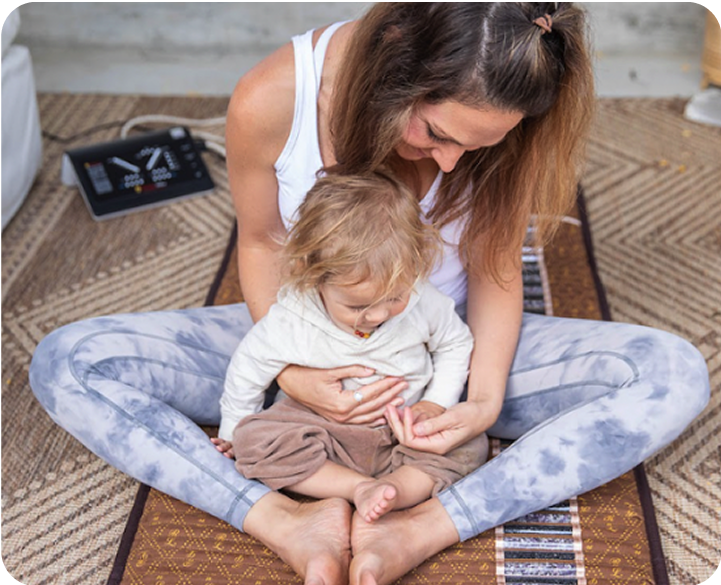
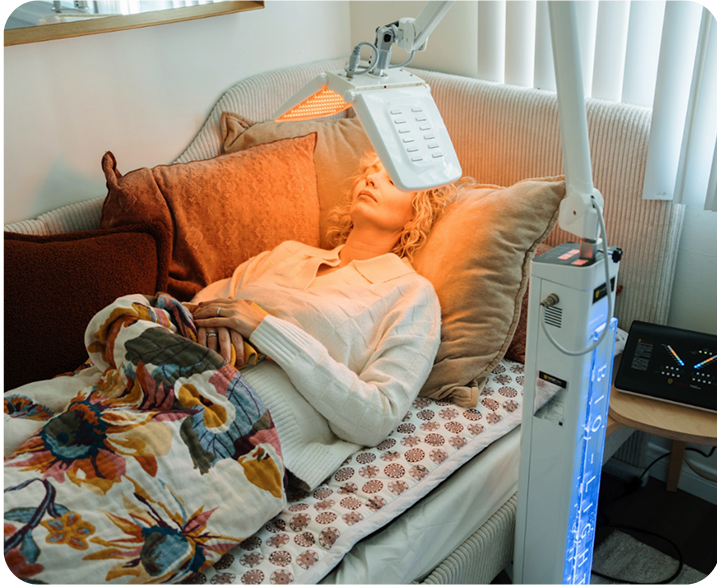
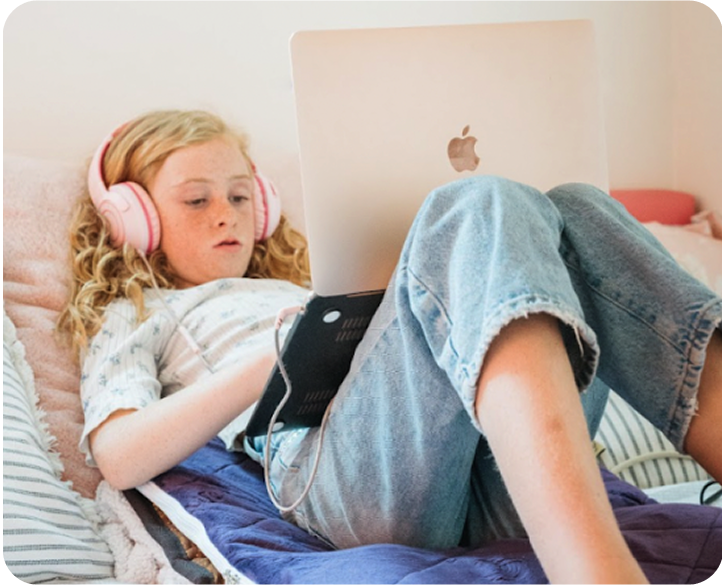
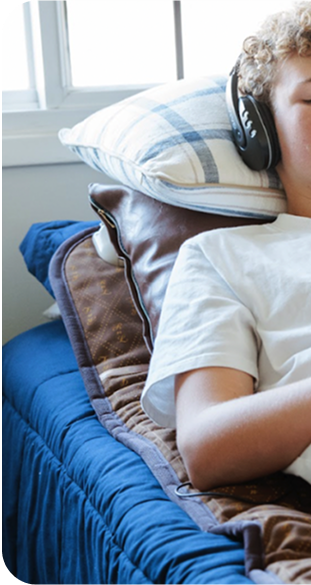
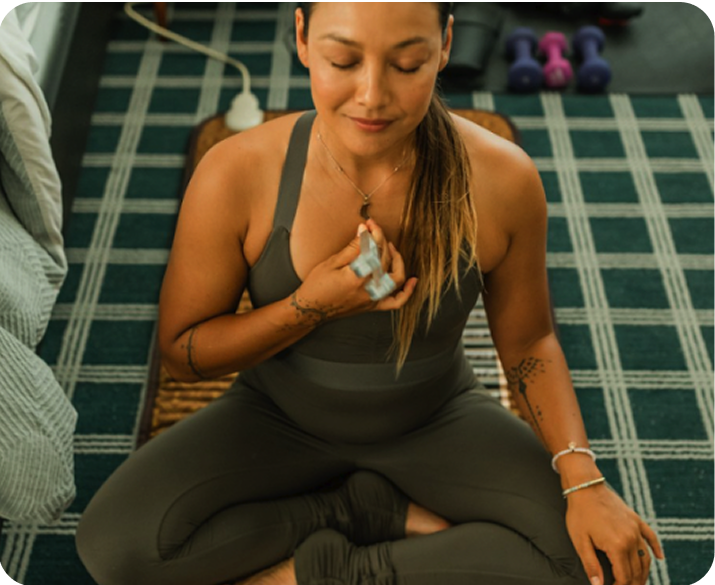
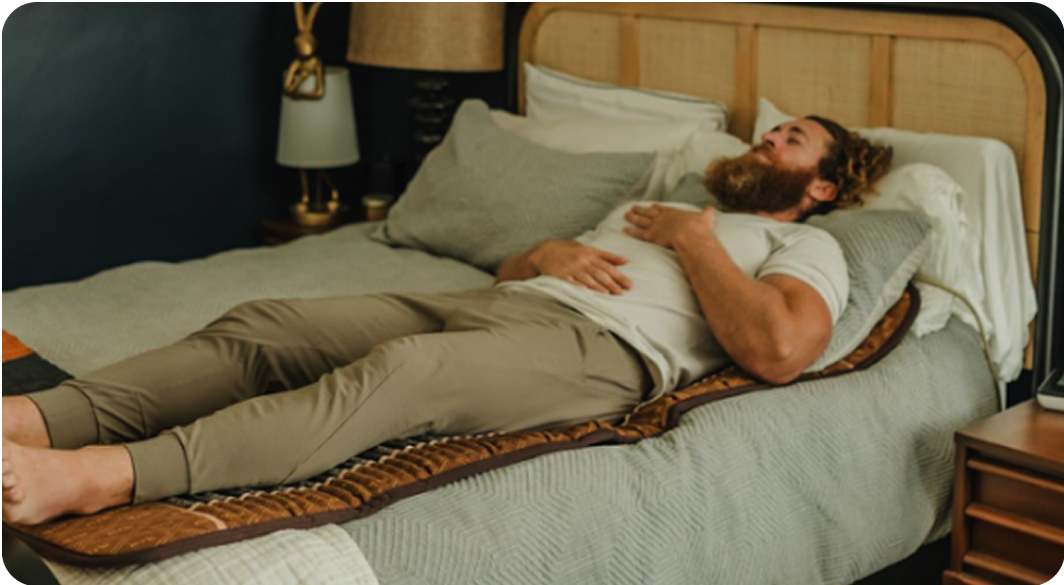
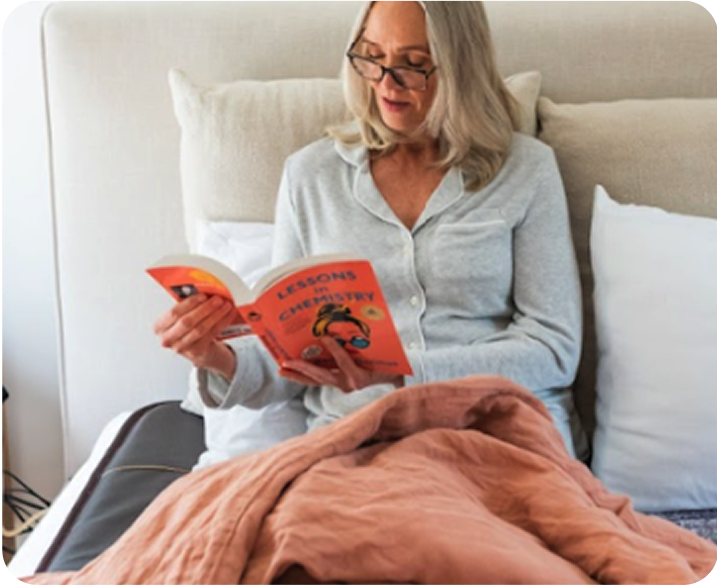
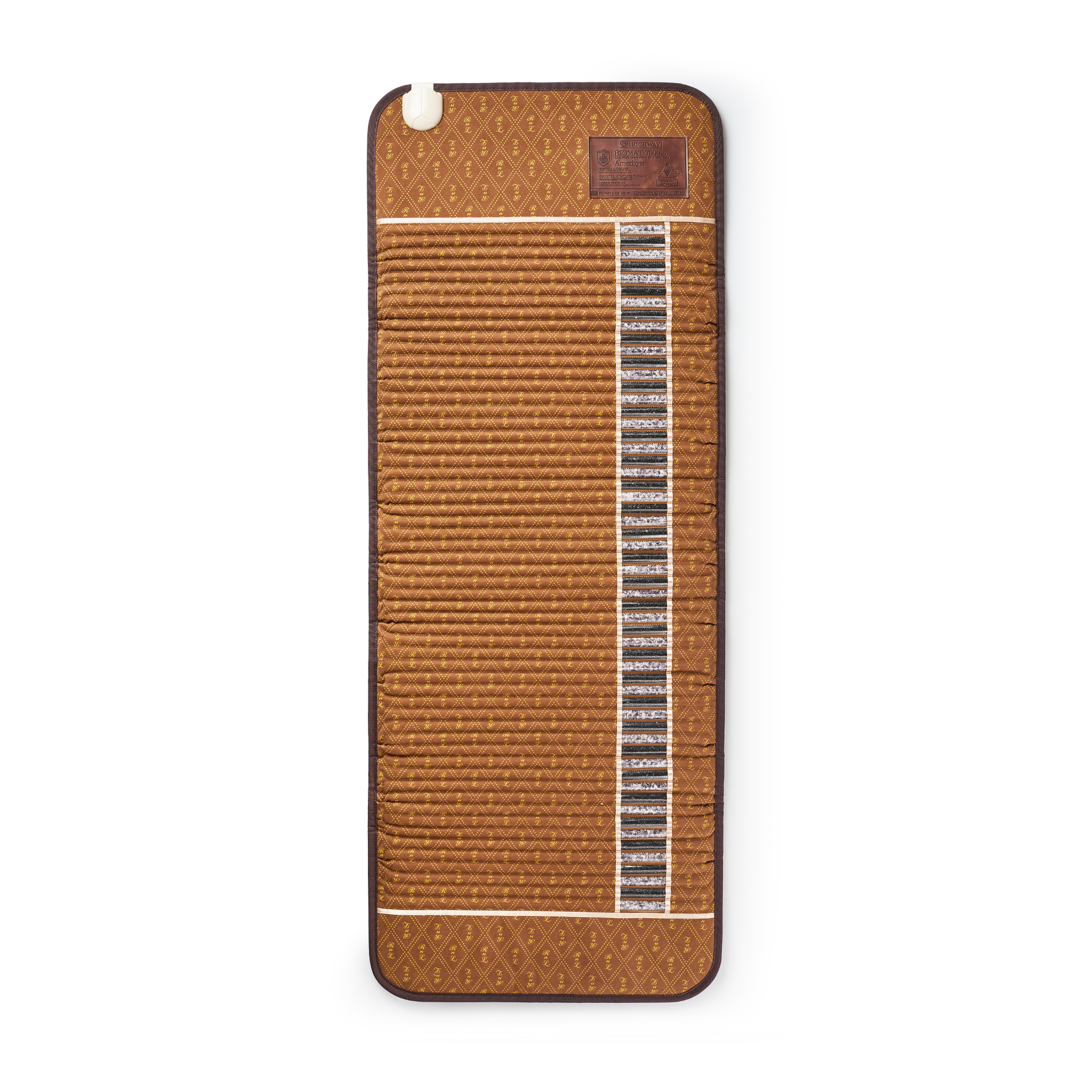
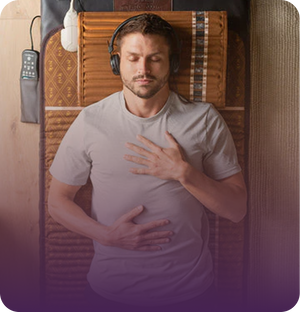
Definition: The BioMat® supports sleep through three simultaneous mechanisms. First, Far Infrared heat helps lower cortisol and ease the nervous system out of alert mode. Then, Negative Ions activate the parasympathetic system that governs rest and recovery. Third, Amethyst thermal conductivity supports the core body temperature drop that signals sleep onset. Unlike melatonin supplements or sleep apps that address symptoms, these mechanisms work at the physiological level, addressing the underlying conditions that prevent quality rest from happening naturally. The Science Behind It: Circadian rhythm depends on two primary signals: stress reduction in the evening and a drop in core body temperature before sleep onset. Far Infrared triggers sustained vasodilation, which supports cortisol clearance from the bloodstream. As the body cools after a BioMat® session, it mimics the normal pre-sleep temperature drop that signals to the body that it is time to wind down. Negative Ions also support this by shifting the body from an alert state toward the rest state sleep requires. Real-Life Use Examples:
Interesting Fact: Your body temperature naturally drops by 1 to 2 degrees Fahrenheit in the hours before sleep, a signal that tells the brain it's time to produce melatonin. Far Infrared therapy supports this process by warming the body during a session and allowing it to cool afterward, mimicking the same temperature drop the circadian rhythm depends on. |
Key Takeaways:
- Cortisol Is The Root Cause: Far Infrared supports cortisol reduction, addressing one of the most common reasons sleep gets disrupted in the first place.
- Negative Ions Activate Rest Mode: Negative Ions help shift the nervous system toward the parasympathetic state the body needs to actually fall and stay asleep.
- Consistency Resets The Rhythm: Evening BioMat® sessions produce cumulative improvements in circadian rhythm over weeks, not just single-session relaxation that resets by morning.
Poor sleep is rarely a willpower problem. For most people, it's a physiological one. When cortisol stays elevated in the evening, and the nervous system stays locked in alert mode, sleep onset is blocked, regardless of how tired you feel. The BioMat® for sleep approaches this from the inside out, using Far Infrared heat, Negative Ion therapy, and Amethyst crystal conductivity to address the physical conditions that make rest difficult.
The BioMat® has been used for sleep support for over 25 years as an FDA 510(k) Class II registered Medical Device, and improved sleep is among the most consistently reported outcomes across 500,000+ users worldwide. This resource explains the science behind why sleep is disrupted, how Far Infrared and Negative Ions address those disruptions at a physiological level, and how to build an evening session protocol that builds results over time.

Why Sleep Is A Physiological Problem
Most sleep advice focuses on behavior, like screens, caffeine, or irregular sleep schedules. Those things matter. But for a lot of people, the real barrier is physiological, and no amount of blue light filtering fixes a nervous system that can’t seem to wind down.
The Cortisol And Circadian Rhythm Connection
Cortisol is a stress hormone designed to keep you alert when you need to be. The problem is that modern stress from work pressure or constant connectivity keeps cortisol elevated long past when it should have dropped for the evening. When that happens, melatonin production is suppressed, the sympathetic nervous system stays active, and the core body temperature drop that signals the brain to transition into sleep doesn't happen as cleanly. The result is lying awake feeling wired and tired at the same time. The ABCs of Catching ZZZ's covers how widespread this pattern is and easy methods you can start using for sweet dreams.
Why Surface Sleep Aids Fall Short
Melatonin supplements artificially supply a sleep hormone without addressing why the body stopped producing enough of it naturally. Meanwhile, sleep tracking apps identify disrupted patterns without addressing the underlying cause. Neither reduces cortisol nor supports the core temperature cycling that governs circadian rhythm. So, people tend to use them without meaningful improvement. Diet plays a role, too. 3 Foods That Are Making It Hard to Sleep at Night covers specific dietary factors that work against evening stress management and circadian signaling.
Infrared Therapy For Sleep: How Far Infrared Addresses The Root Cause
Far Infrared therapy for sleep works through several mechanisms happening simultaneously, which is part of why a single session can produce noticeable effects, and continuous use compounds those results over time.
The Thermoregulatory Mechanism
A randomized controlled trial examining Far Infrared-emitting textiles in adults with poor sleep quality found meaningful reductions in physical fatigue across multiple time points in participants using FIR therapy (Chen et al., 2023). The mechanism is straightforward: Far Infrared supports vasodilation and improved microcirculation, creating the kind of deep muscle warmth and relaxation that helps the body shift toward rest.
As the session ends and the body cools, it mimics the natural pre-sleep temperature drop that signals melatonin release. This is something a heating pad held at constant temperature doesn't produce. For further reading, How the BioMat Works: Infrared, Amethyst and Ions covers the full mechanism behind how Far Infrared wavelengths, Amethyst crystal conductivity, and Negative Ion generation work together in every session.
FIR And Stress Reduction: The Sleep Connection
Far Infrared heat penetrates 6 to 8 centimeters into tissue, triggering sustained vasodilation that supports cortisol clearance from the bloodstream. This is what makes Biomat® sleep benefits different from surface-level warmth. Namely, the depth of penetration reaches the tissue where the physiological stress response is held.
In fact, an independent 12-week study by Dr. George Grant documented up to a 78% reduction in cortisol with consistent daily BioMat® sessions, measured via biofeedback and blood analysis. That kind of reduction, built over weeks, creates the conditions that allow sleep to happen at its own pace rather than having to be forced.

Amethyst Mat For Sleep: Negative Ions And Crystal Conductivity
The Far Infrared mechanism is the primary driver, but the Amethyst’s impact extends further through two additional layers that support the body.
Negative Ion Circadian Support
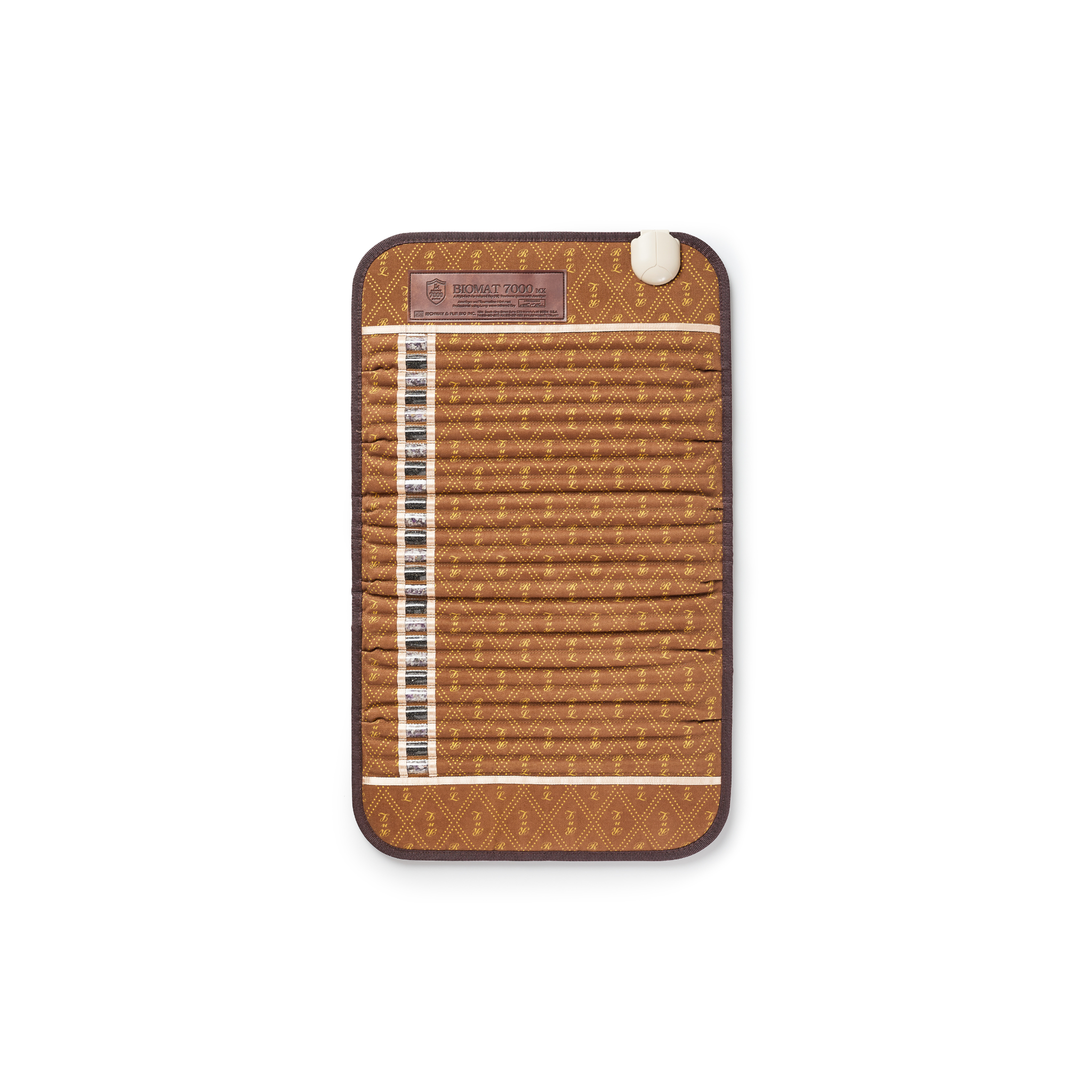
When the BioMat®'s black Tourmaline crystals heat up, they generate Negative Ions continuously throughout the session. Research suggests that Negative Ion exposure may support mood regulation and help the nervous system settle into the state that sleep requires (Jiang et al., 2018). For users who are more sensitive to heat, using the Blue setting on the BioMat® Mini offers a gentle Infrared and Negative Ion output without significant added warmth, making it a useful option for anyone who wants the calming benefits without the risk of raising body temperature too close to bedtime.
Amethyst Conductivity And Even Temperature Distribution
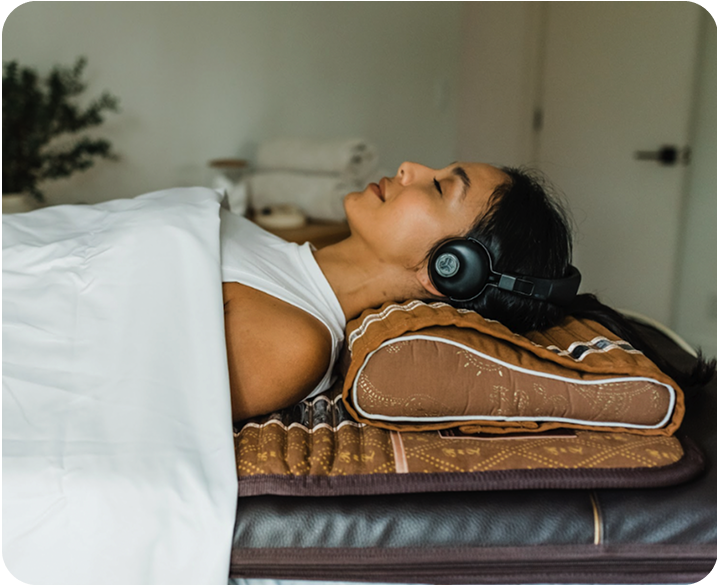
Natural Amethyst's hexagonal crystal structure evenly conducts Far Infrared across the entire mat surface, with no hot spots or uneven exposure. That matters for sleep support because the body needs to cool evenly afterward to trigger the temperature drop that signals melatonin release. For added support, pairing the BioMat® with our non-heated, non-electrical Amethyst Pillow creates a continuous energetic field from head to toe for sleep preparation sessions. While your body receives the powerful effects of infrared heat, your head stays cool and balanced, a principle rooted in Ayurvedic wisdom. Effective Napping With the BioMat Pillow covers how Far Infrared, Negative Ions, and Amethyst plus black Tourmaline crystals from both devices work together to improve the quality of rest.

BioMat Sleep Protocol: Five Practical Approaches
These five approaches map unique sleep challenges to specific BioMat® session configurations.
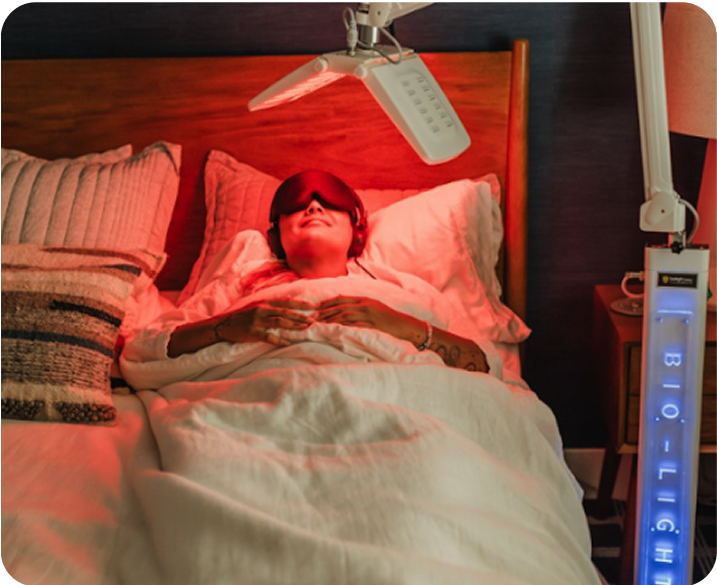
- Evening Wind-Down: Try 30 to 40 minutes at the Green setting, one to two hours before bed. This activates an inviting, soothing shift into rest mode without raising your body temperature too much, but you can always try the lower Blue setting instead.
- Heat-Sensitive Users: Those who are sensitive to warmth might enjoy 20 to 30 minutes at the Blue setting immediately before bed. Alternatively, you can use the No Heat / Negative Ion setting.
- Overnight Low-Level Use: The Blue setting placed under the lower back or legs during sleep provides mild overnight Far Infrared and Negative Ion exposure to support you throughout a full sleep cycle.
- Nap Enhancement: Lie on your BioMat® for 15 to 20 minutes at the Green setting before a planned nap. Far Infrared and Negative Ions help the body shift into short rest, potentially limiting post-nap grogginess.
- Shift Worker Protocol: Using the Gold setting for 40 minutes immediately after a night shift supports cortisol clearance after a demanding night shift, helping the body transition despite daylight hours.
Frequently Asked Questions About BioMat® For Sleep
How many nights of BioMat® sessions do I need before sleep improvement becomes noticeable?
Most users report initial improvement within 7 to 14 days of consistent evening sessions. Greater cumulative improvement, like reduced night waking, typically develops over 4 to 8 weeks of daily use.
Can BioMat® be used directly on a mattress overnight?
Yes. However, we recommend using the Germanium Waterproof Cover to protect the mat during overnight sessions and setting the timer to shut off at your preferred time.
Can children use the BioMat® for sleep support?
Children under 12 require adult supervision during all sessions. Start at the lowest temperature setting and limit session time. For added peace of mind, consult a physician for children with specific health conditions before use.
Does the BioMat® Mini work as well as the Professional for sleep support?
Yes. The Mini placed under the lower back or legs delivers equivalent Far Infrared and Negative Ion therapy per unit of contact area. The difference is surface coverage, not therapeutic depth.
Should the BioMat® session happen right before bed or earlier in the evening?
For most users, 30 to 60 minutes before bed at moderate settings works well, allowing enough cool-down time after the session for the body temperature drop that signals sleep onset. Heat-sensitive users may prefer the Blue setting immediately before bed.
Does diet affect how well BioMat® sessions improve sleep quality?
Yes. Foods that elevate cortisol or disrupt melatonin production may decrease the effectiveness of any sleep-support intervention, including BioMat® sessions.
Sources:
- Chen, S. C., Cheung, T. W., Yu, B. Y., Chan, M. Y., Yeung, W. F., & Li, L. (2023). Improving Sleep with Far-Infrared-Emitting Pajamas: A Pilot Randomized Controlled Trial. International journal of environmental research and public health, 20(5), 3870. https://doi.org/10.3390/ijerph20053870
- Jiang, S. Y., Ma, A., & Ramachandran, S. (2018). Negative air ions and their effects on human health and air quality improvement. International Journal of Molecular Sciences, 19(10), 2966. https://doi.org/10.3390/ijms19102966
These statements have not been evaluated by the Food and Drug Administration. These products are not intended to diagnose, treat, cure, or prevent any disease. Specific medical advice should be obtained from a licensed health care practitioner.
Learn more about our editorial standards and medical review process.