Restless leg syndrome can create an uncomfortable urge to move the legs, often becoming more noticeable during quiet moments or at night. The exact cause can vary, but current research increasingly points to brain iron availability as a central factor disrupting the dopamine and movement-regulating circuits involved, alongside factors such as certain medications, pregnancy, or other health conditions (Brain Sciences, 2026). Because symptoms often appear when the body is trying to settle, they can interrupt relaxation and make restorative sleep harder to achieve.
For a broader look at what helps restless legs, it can be useful to consider the everyday factors that influence comfort, including movement, stretching, stress levels, sleep habits, and circulation. Supporting these areas may help the body feel calmer and more settled as the evening progresses. A consistent routine can also give the nervous system a better chance to shift toward rest and recovery before sleep.
How Infrared Therapy Works To Relieve Restless Leg Syndrome
Far Infrared heat gently warms the body, helping muscles relax and fostering a sense of physical calm that can be helpful when the legs feel tense or unsettled. This is one reason infrared therapy for restless leg syndrome may be considered as part of a supportive wellness routine rather than a stand-alone solution. The steady warmth can also help the nervous system shift toward a more restful state, which may make it easier to unwind before bed.
Using infrared heat for leg discomfort may also promote healthy blood flow, as warmth causes blood vessels near the skin to dilate. Better circulation can support the delivery of oxygen and nutrients to tired tissues while helping the legs feel warmer and more relaxed. For additional ways to support this process, Strategies To Improve Blood Circulation can offer useful guidance alongside a consistent relaxation routine.
The soothing effect of heat therapy for restless legs may be especially helpful for easing muscular tension and creating a more comfortable environment for rest and recovery. Similar principles are often discussed in Infrared therapy for arthritis, where gentle warmth is used to support joint comfort, mobility, and relaxation. While the causes of restless leg syndrome can vary from person to person, Far Infrared warmth can provide calming support that fits naturally into an evening wellness routine.
Why Choose A BioMat For Restless Leg Syndrome Relief
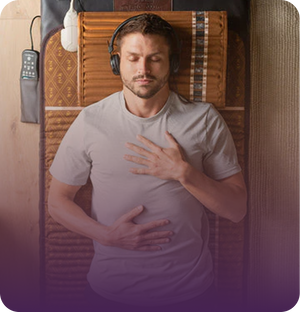
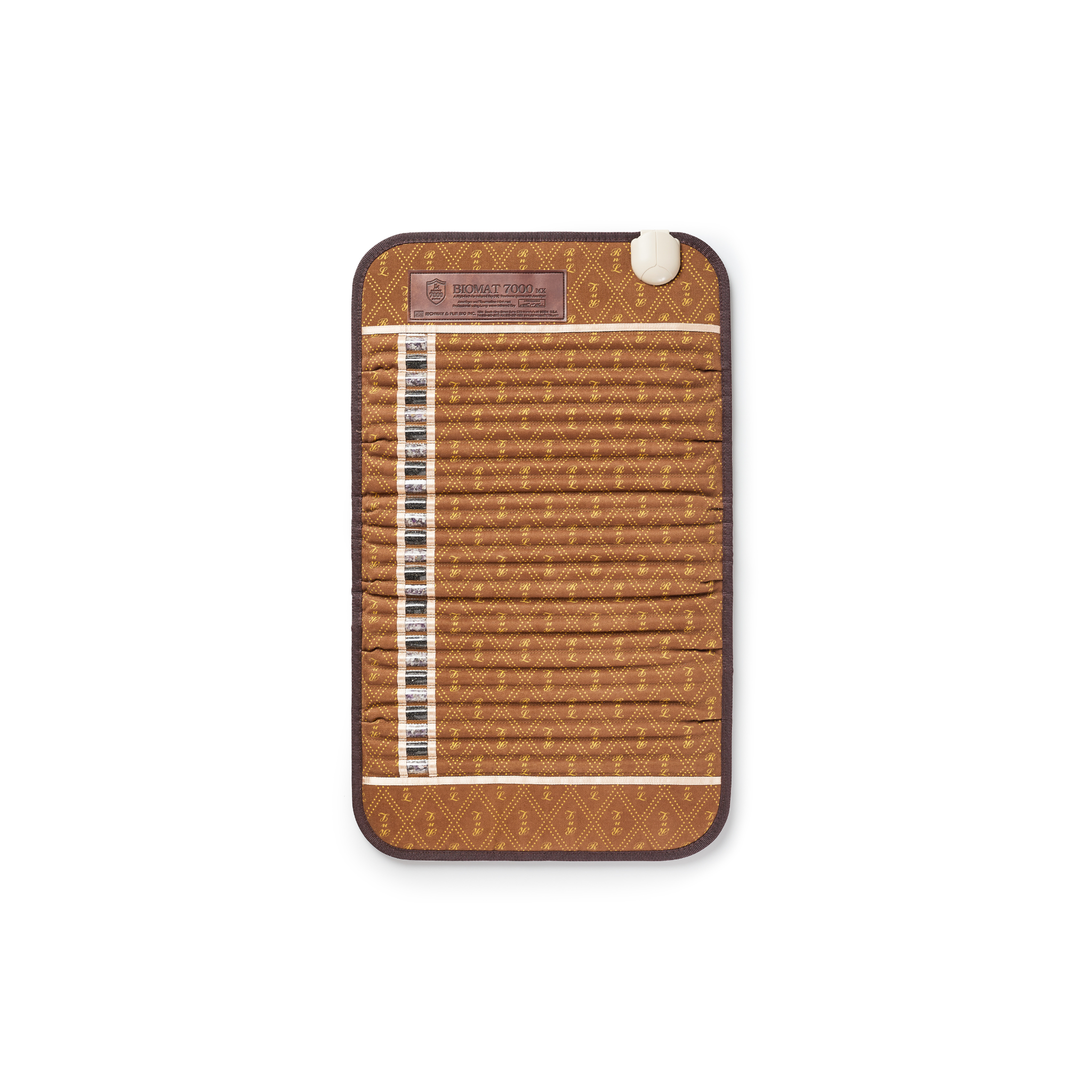
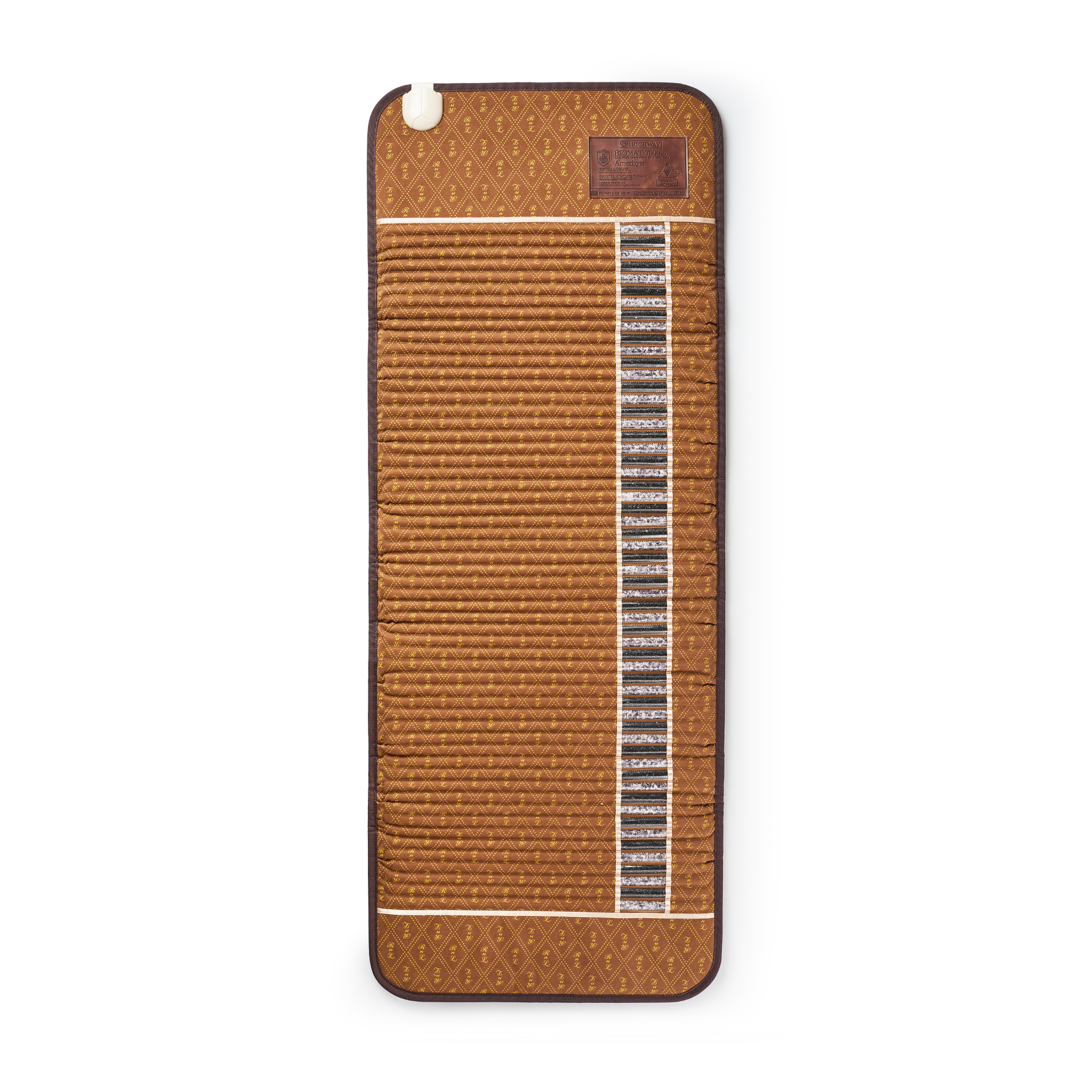
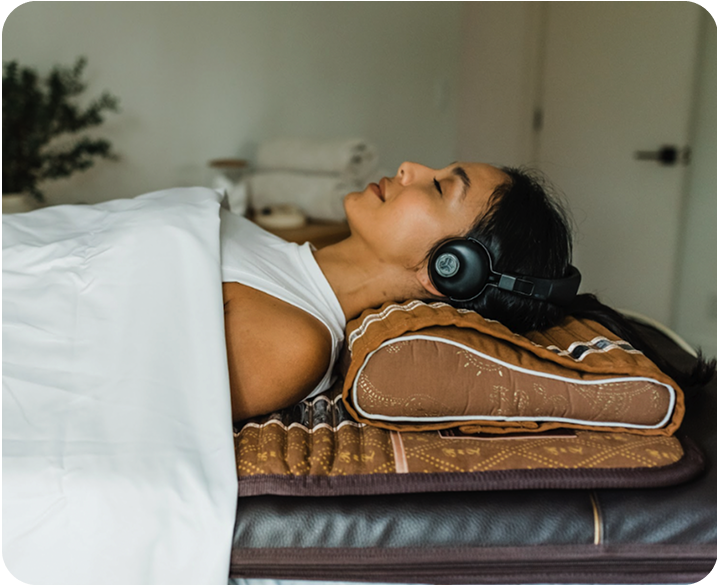
A BioMat combines Far Infrared heat, Negative Ion technology, and Amethyst to create a warm, calming surface that supports relaxation throughout the body. For people looking for RLS relief at night, that combination may help create a more settled environment for the legs while encouraging the nervous system to shift toward rest. Its full-body format can also make it easier to build a consistent wind-down routine without adding extra movement or stimulation before bed.
The same restorative approach is often discussed in resources such as BioMat for sleep, which uses warmth and relaxation to support a calmer nighttime rhythm. Back injuries and negative ions can also offer helpful context on how Negative Ion technology fits into broader comfort and recovery routines. Together, these features make BioMat a practical option for people who want gentle, non-invasive support as part of an evening wellness practice.
How To Use A BioMat For Restless Leg Syndrome
Using a BioMat for restless leg syndrome is most helpful when it becomes part of a calm, consistent routine rather than something used only when symptoms feel intense. A gentle approach gives the body time to settle while supporting relaxation, comfort, and a smoother transition into rest.
Start With A Comfortable Temperature
Begin at a mild heat level that feels soothing rather than overly warm, especially if you are new to Far Infrared therapy. The goal is to create steady comfort that helps the legs and surrounding muscles relax without adding physical stress. If you need help choosing a setting, our BioMat temperature settings guide can serve as a useful reference.
Position Your Body For Relaxation
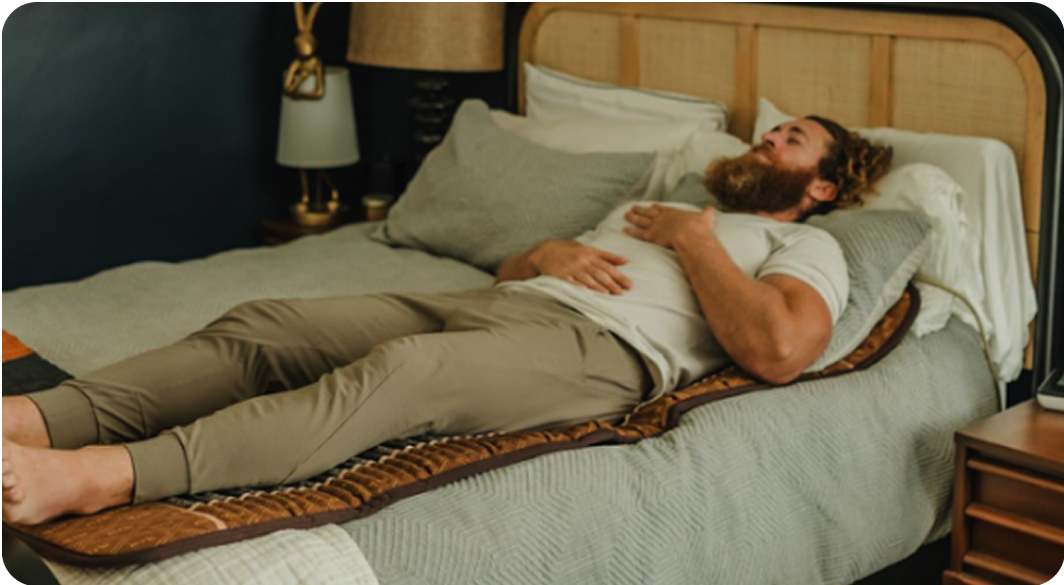
Lie comfortably on the BioMat with your legs fully supported and your body in a position that allows you to release tension. Keeping the knees slightly bent or placing a small cushion beneath them may feel more comfortable for some people. A relaxed position can make it easier for the nervous system to shift away from stimulation and toward rest.
Pair BioMat Use With A Calming Routine
Try using the BioMat during quiet evening activities such as slow breathing, gentle stretching, or listening to calming music. Reducing bright screens and other stimulating activities during the session can help reinforce the body’s natural wind-down signals. Over time, this kind of routine may help create a more consistent sense of calm before sleep.
How Long And How Often Should I Use The BioMat For Restless Leg Syndrome?
For restless leg support, a gentle session of around 20 to 30 minutes can be a comfortable place to begin. Some people may prefer using the BioMat in the evening, when symptoms tend to feel more noticeable and the body is preparing for rest. Starting gradually gives you time to notice how your legs and nervous system respond to the warmth.
Consistency can be more helpful than extending each session for long periods. Using the BioMat several times a week, or as part of a regular bedtime routine, may support relaxation, recovery, and a calmer transition into sleep. If you have a medical condition or symptoms that are persistent or worsening, it is best to speak with a healthcare professional before changing your wellness routine.
Sources:
- Brain Sciences. (2026). Restless legs syndrome: A network model of iron-dependent neuromodulation—A narrative review. https://doi.org/10.3390/brainsci16050440