Menopause is a natural stage of life, but the changes that come with it can still feel uncomfortable and disruptive. Hot flashes, night sweats, sleep problems, mood changes, and shifts in energy are common as hormone levels adjust. For many people looking for natural menopause relief, supportive habits that encourage rest, relaxation, and nervous-system balance can make daily life feel easier to manage.
For some women, menopause can also bring added challenges if they already live with fibromyalgia, since fatigue, poor sleep, body discomfort, and sensitivity can affect both experiences. This is one reason discussions around Fibromyalgia and women may overlap with menopause wellness, especially when symptoms feel harder to manage at the same time. Restorative sleep, gentle recovery, and calming routines can help support comfort as the body adapts to hormonal changes.
How Infrared Therapy Works For Menopause Symptoms
Heat therapy can offer gentle physical support during menopause by helping the body feel less tense, stiff, and overstimulated as hormonal changes affect everyday comfort.
Supporting Circulation And Physical Comfort
Infrared therapy for menopause may encourage healthy blood flow, which can support areas that feel tight, achy, or fatigued. This can be especially comforting when menopause is accompanied by muscle tension or a heavier sense of physical strain.
Helping The Body Unwind
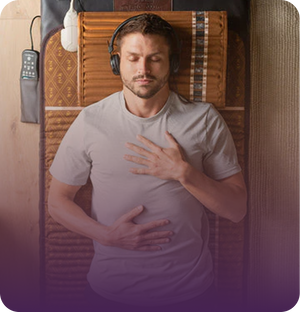
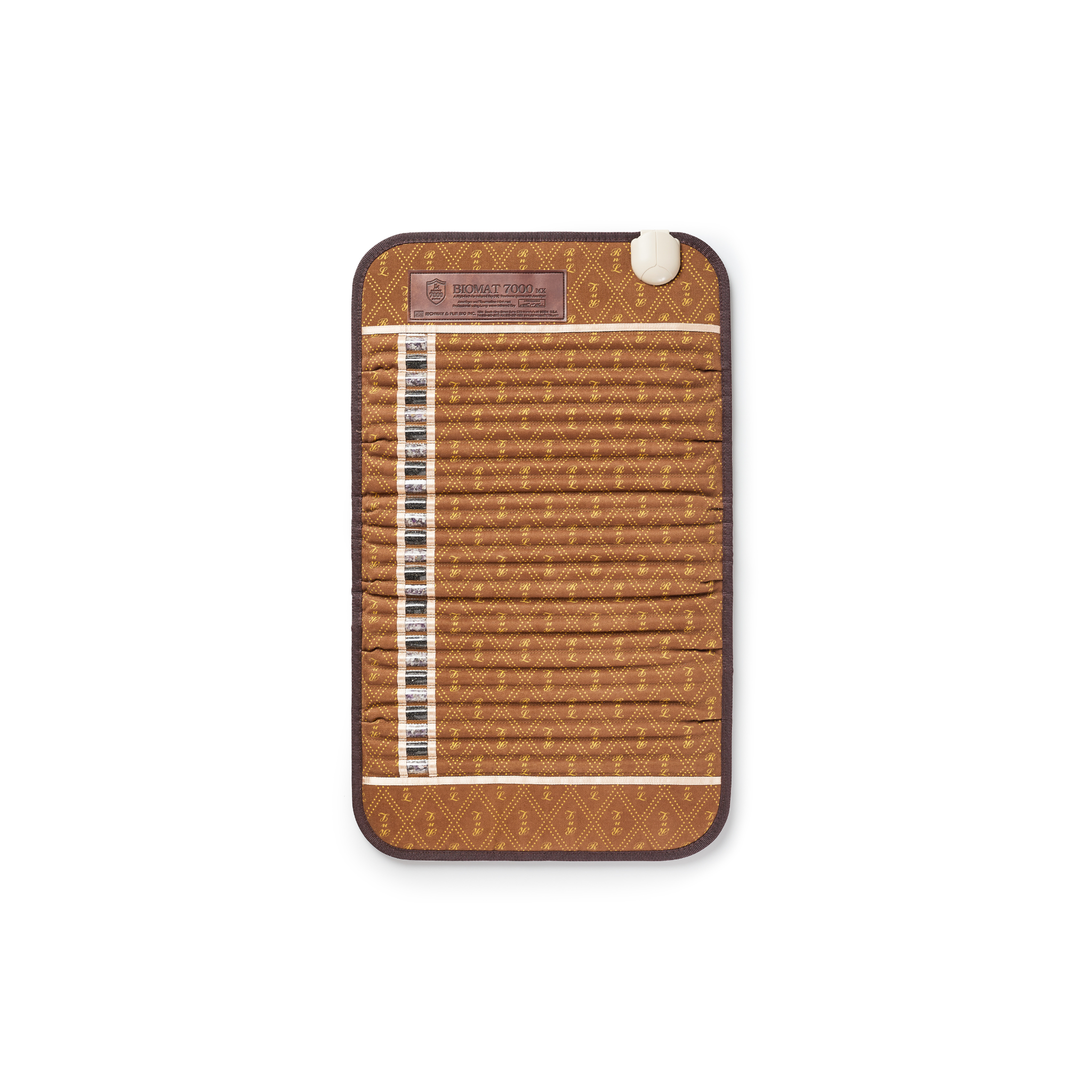
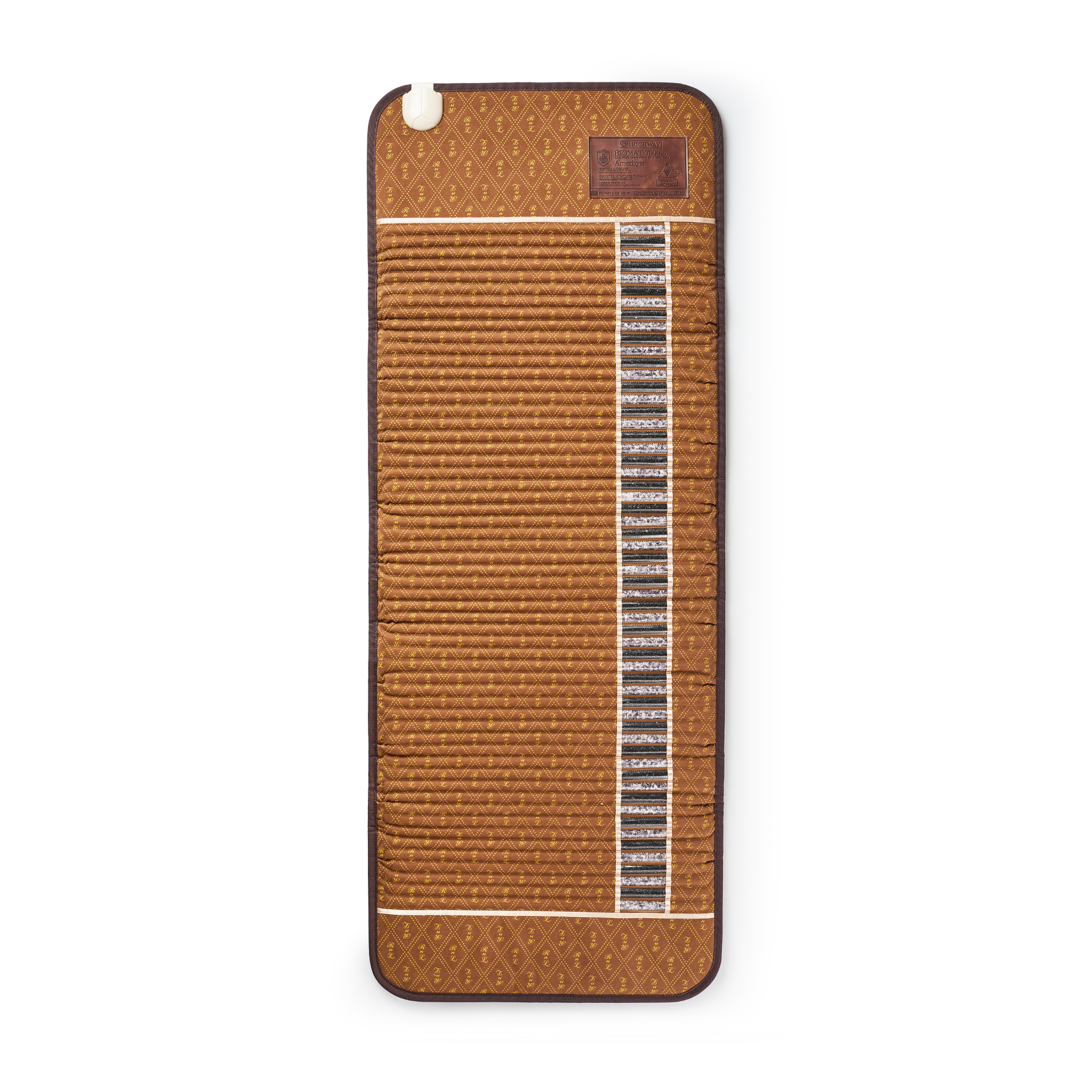
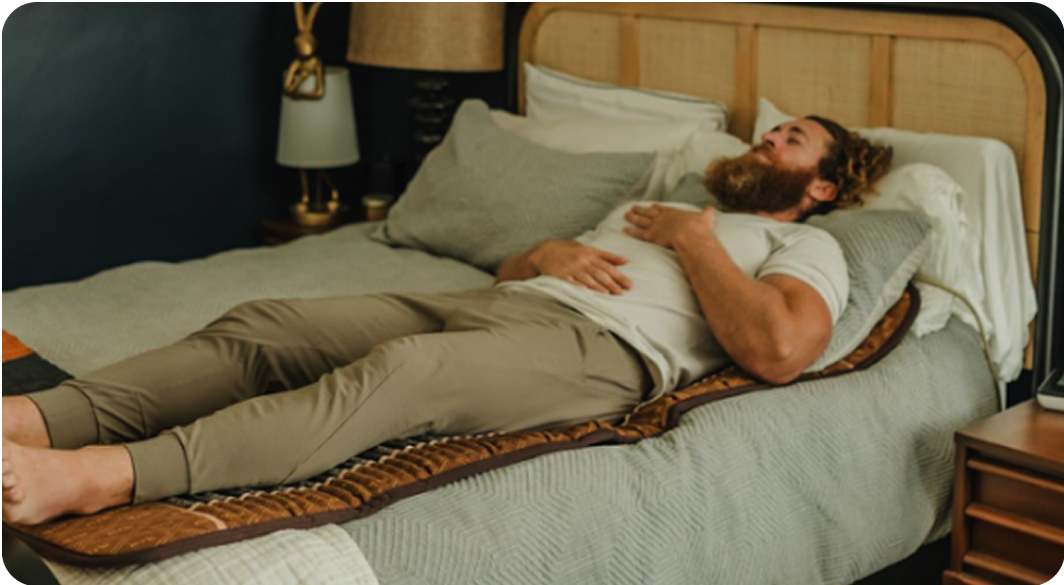
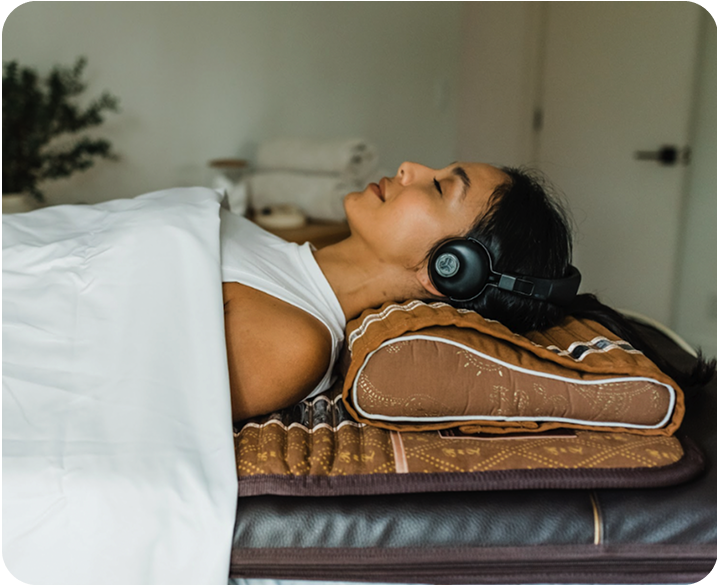
An infrared mat for women can provide steady, soothing heat that helps ease stiffness and encourages the body to settle after a demanding day. This can be useful when stress or physical tension makes it harder to rest comfortably.
Supporting Skin Wellness
Far Infrared therapy may help stimulate circulation near the skin, supporting the natural delivery of oxygen and nutrients that contribute to a refreshed appearance. Alongside hydration and a consistent skincare routine, this can support healthy, glowing skin as the skin adapts to hormonal changes during menopause.
Using The BioMat To Manage Hot Flashes And Night Sweats
Hot flashes and night sweats can make heat feel uncomfortable, so the BioMat is best approached gently during menopause. Research on hot flash physiology has found that menopause narrows the body's thermoneutral zone, meaning that even small temperature increases can more easily trigger discomfort (Frontiers in Medicine, 2026). Heat therapy for hot flashes should focus on personal comfort, with lower settings and shorter sessions often making more sense for people who are sensitive to temperature changes.
The BioMat temperature settings guide recommends starting at the lower end, around 95°F to 113°F, and increasing only if the body responds comfortably. Using a cooler setting, staying hydrated, and stopping if symptoms intensify can help keep the experience calming and supportive rather than overwhelming.
Improving Sleep Quality During Menopause With The BioMat
Menopause sleep problems can be linked to night sweats, stress, and hormonal changes that make it harder to stay asleep. Better rest can support menopause relief by helping the body recover and regulate stress more effectively. A steady sleep routine can also make daytime fatigue and irritability easier to manage.
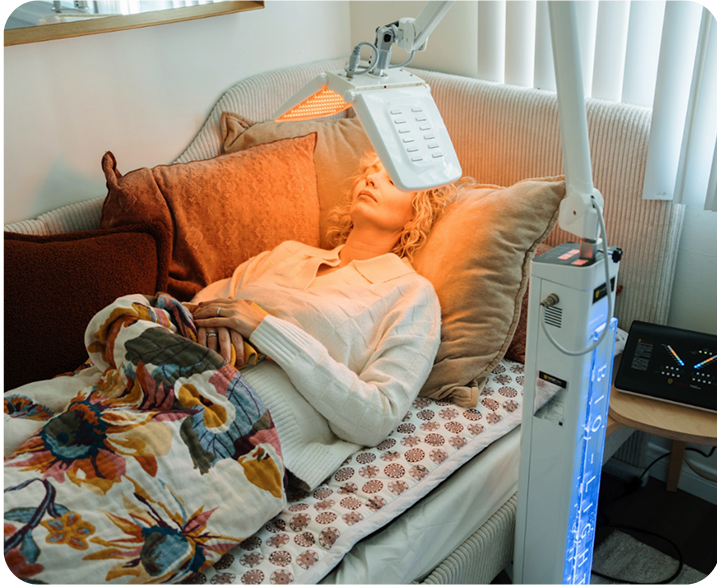
For additional guidance on building a calming nighttime routine, our BioMat for sleep blog offers helpful tips on using the BioMat as part of a restorative evening ritual. Gentle Far Infrared heat may help ease physical tension before bed and support a more settled state. This can be especially helpful when menopause symptoms leave the body feeling restless at night.
For anyone prone to overheating, lower settings and shorter sessions may feel more comfortable. A cool room, hydration, and a consistent bedtime can further support restorative sleep. Together, these habits can create a gentler approach to nighttime menopause relief.
Supporting Mood And Emotional Balance
Hormonal changes during menopause can affect mood, patience, and emotional resilience, sometimes making everyday stress feel heavier. Creating space for quiet, rest, and sensory comfort can help the nervous system shift out of a heightened state. This can make it easier to feel grounded during emotionally demanding moments.
Using the BioMat as part of a calming self-care routine may help create that sense of pause through gentle heat and stillness. Our BioMat for anxiety resource also shares ways restorative practices can support a calmer state when stress begins to build. These routines can encourage the body to move toward recovery rather than staying in a constant stress response.
Emotional balance is also supported by consistent sleep, movement, hydration, and time to decompress. When these habits work together, they can create a steadier foundation for coping with the emotional changes that may come with menopause. The goal is to give the body and mind more opportunities to reset and recover.
Sources:
- Frontiers in Medicine. (2026). Hot flashes: A review. https://www.frontiersin.org/journals/medicine/articles/10.3389/fmed.2026.1833603/full