


Key Takeaways:
- Reach For Dampness: Use a warm, damp compress when a muscle seizes, and you need relief within minutes.
- Plan For Lingering: Save dry heat for all-day discomfort, since it stays in place without constant rewarming.
- Look Beyond Surface: Penetrating Far Infrared reaches deeper layers that neither towels nor pads were built to warm.
Neither method wins outright because each one solves a different problem. The better pick depends on your pain, your schedule, and how your body responds. If you have ever reached for a hot towel one day and a heating pad the next, wondering which one actually helps more, you are asking exactly the right question, and the answer has real nuance. Both have earned a lasting place in home care routines, so the useful question is when each one shines.
At BioMat®, we introduced the first infrared crystal healing mat more than 27 years ago, and our mats are FDA 510(k) Class II medical devices cleared for the temporary relief of minor muscle and joint pain.
This article compares how each type of heat works, which suits different kinds of pain, where heating pads fit, how Far Infrared changes the picture, and how to stay safe with any method.
What Sets Moist And Dry Heat Apart
Both methods raise tissue temperature, yet they deliver warmth through very different routes. Understanding those routes clarifies why each one feels the way it does.
How Moist Heat Therapy Works
Moist heat pairs warmth with water. Common sources include damp towels warmed in a dryer or microwave, warm baths and showers, and hydrocollator packs, the canvas packs filled with silica gel that physical therapy clinics soak in heated water tanks. Because the warmth arrives with moisture, these methods tend to feel enveloping and quickly comforting.
How Dry Heat Therapy Works
Dry heat delivers warmth without added water. Electric heating pads, adhesive heat wraps that warm when exposed to air, and heat lamps all fall into this group. They are tidy, portable, and simple to keep in place. Infrared heating pads belong here too, and our rundown of infrared heating pad pros and cons walks through what to weigh before buying one.
Why Water Changes Heat Transfer
Water conducts heat more than 20 times more efficiently than air. When warmth travels through a damp layer, it reaches the skin faster than the same temperature delivered dry, which is why a warm, wet towel can feel hotter than a dry pad set to an identical temperature. The same property means moist sources also lose their heat quickly once removed from the warmth that charged them.

Moist Heat Vs. Dry Heat For Pain
Pain comes in many forms. Two common situations show how differently each type of heat performs in practice, and why the timing of your relief can matter as much as the method.
Tight, Spasming Muscles
When a muscle locks into a painful spasm, speed matters. Moist heat appears to warm muscle tissue faster than dry heat at a comparable temperature, which may help a cramped neck, shoulder, or lower back release sooner. Applying a warm, damp towel just before gentle stretching is a simple way to put that advantage to work, especially after a long day of physical effort, heavy lifting, or poor posture.
Morning Joint Stiffness
Stiff joints after a full night of rest are a common complaint, particularly for people living with arthritis. A warm shower or bath delivers moist heat to several joints at once, loosening the body before the day begins. For stiffness that returns throughout the day, dry heat offers steady support between those morning routines. Our mats hold FDA 510(k) Class II clearance that includes arthritis pain relief, giving people with stiff joints a cleared option for regular use at home, though no heat source is a cure.
Is Your Heating Pad Moist Or Dry Heat?
Most heating pads deliver dry heat, though a few are designed for moist use. Which type you own depends on how the pad is built and powered.
Most Electric Pads Deliver Dry Heat
A standard electric pad warms through wires inside a fabric cover, transferring heat by direct contact with whatever it touches. With no water involved, it delivers dry heat at a steady temperature you choose with a simple dial or button. Our Far Infrared mat vs heating pad page sets the two side by side in terms of construction, crystals, and safety features.
Pads Built For Moist Use
Some electric pads are designed to deliver moist heat, using a removable sponge insert or a cover that draws humidity from the air. Only introduce moisture to a pad specifically built for it. Adding water to a standard electric pad creates a genuine electrical hazard, so always check the manufacturer's instructions first.
Microwavable Packs In Between
Fabric packs filled with rice, flaxseed, or other grains release a small amount of moisture as they heat. That places them somewhere between the two categories, offering mild humidity and the ease of reusing a dry pack.

How We Approach Dry Heat Differently
Our mats deliver dry heat through a process quite unlike a conventional pad, starting with the type of energy involved and the materials that shape it.
Far Infrared Warmth From Within
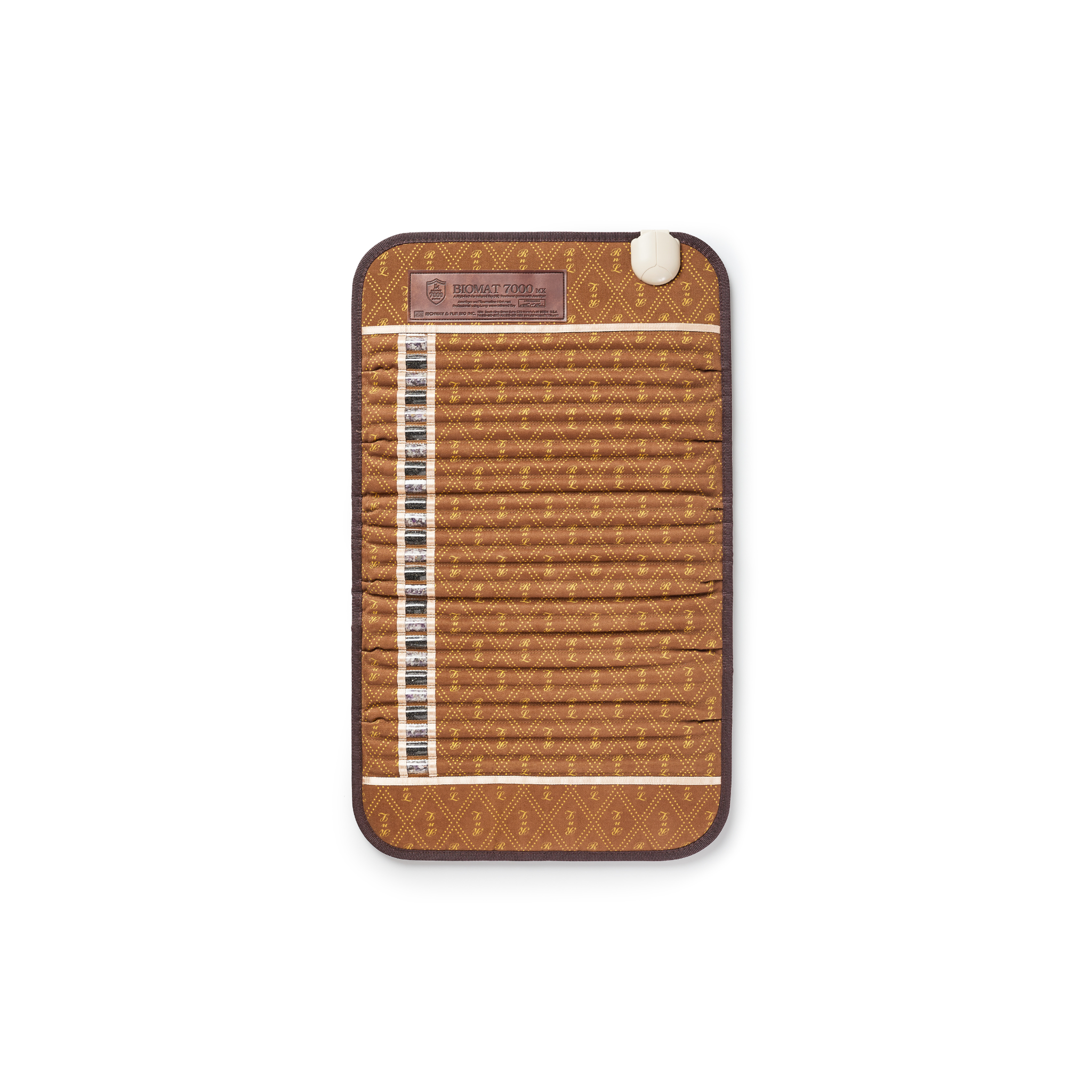
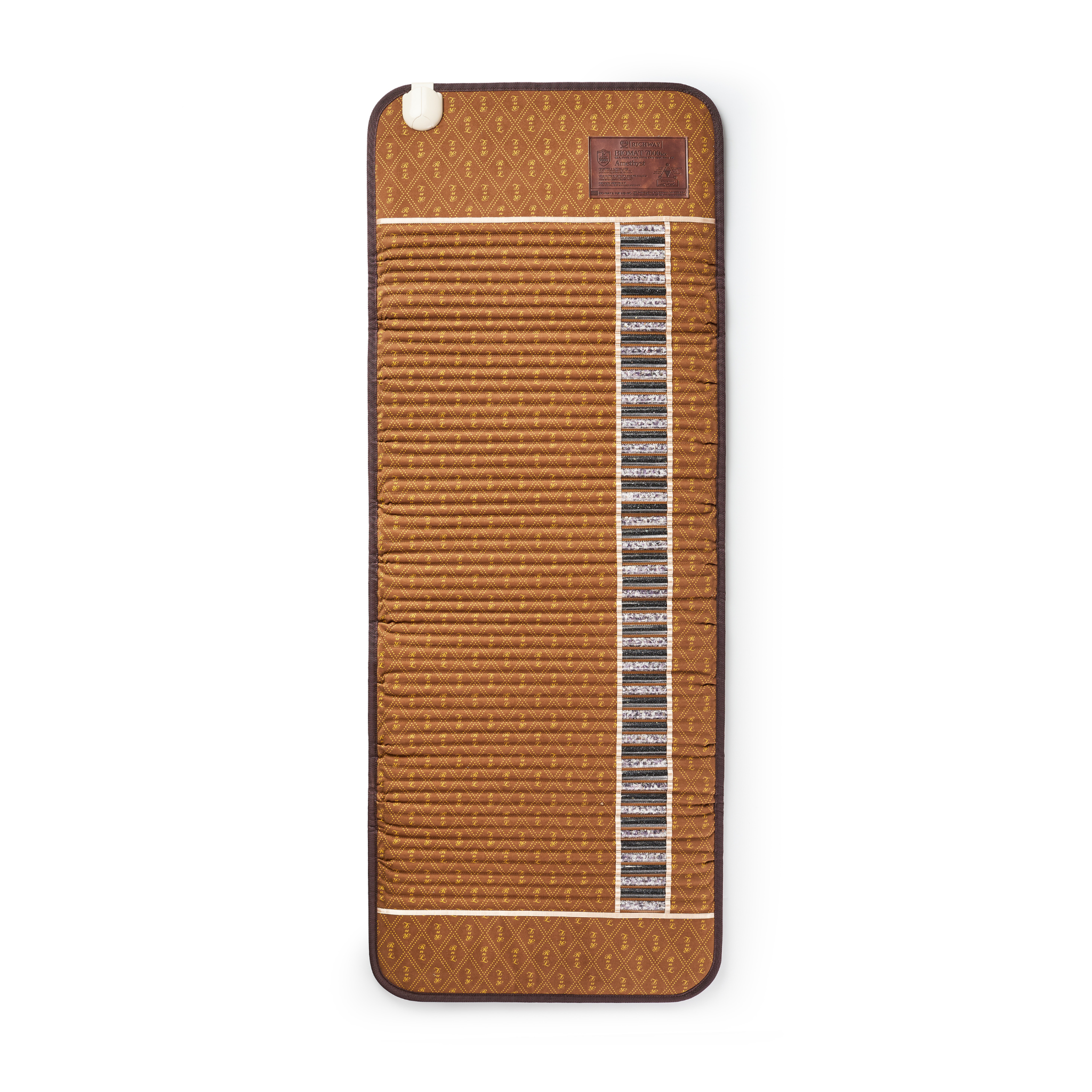
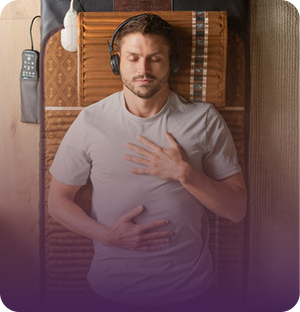
Far Infrared is light energy that water molecules in the body absorb, generating warmth inside the tissue rather than relying on contact alone. We design our mats so this warmth reaches 6 to 8 centimeters deep, into muscle and joint tissue. For anyone asking what is Far Infrared therapy, our beginner's guide breaks down the wavelengths behind it.
Natural Crystals And Quality Components
Natural Amethyst channels distribute that warmth evenly, while Tourmaline releases roughly 3,236 Negative Ions per cubic centimeter. We source our crystals ethically, use no synthetic substitutes, and rely on Texas Instruments coils known for a lifespan of more than 20 years.
A Setting For Every Sensitivity
Five settings range from No Heat through blue at 95 to 104°F, then green and orange, up to red at 149 to 158°F. We suggest orange for minor muscle and joint pain or stiffness, and blue for anyone sensitive to warmth. Our guide to BioMat temperature settings lists suggested uses for each level, though results vary from person to person.
Safety Tips For Any Heat Method
Moist or dry, every heat source carries a few shared risks. These habits keep your sessions comfortable, protect your skin, and make every type of warmth easier to use with confidence.
- Test The Temperature: Check warmth against your inner wrist before placing any heat source on a sore or sensitive area.
- Time Moist Sessions: Keep damp towels and hot packs for about 15 to 20 minutes to protect skin from overheating.
- Mind Your Skin: Dry heat can leave skin parched, so applying a gentle moisturizer after sessions helps keep it comfortable.
- Watch High Heat: Never sleep on a pad set high; our full-body mat drops to 113°F after three hours at higher settings.
- Rehydrate Afterward: Warm water and Far Infrared both encourage sweating, so drink water before and after each session.
- Stop When Warned: End the session immediately if you notice blistering, numbness, dizziness, or pain that worsens with heat.
When you are ready to compare formats, our infrared heating pad collection gathers full-body, portable, and wearable options in one place, each built on the same Far Infrared technology. Seeing them together makes it easier to choose the coverage that best matches where you feel most discomfort.

Final Thoughts
The most effective heat is the one you will actually use consistently. Knowing how each method behaves makes that choice far simpler. At BioMat®, we stand behind every mat we build. Our mats may qualify for FSA or HSA funds and include a 30-day money-back guarantee, so trying Far Infrared at home carries little risk. Backed by Science, Inspired by Nature, our mats bring a deeper kind of dry heat into everyday life.
Frequently Asked Questions About Moist Heat vs. Dry Heat
Can I alternate heat with cold therapy?
Many people alternate warm and cold applications for recovery, though anyone with circulation problems should ask a clinician first.
Which type of heat works best for menstrual cramps?
Both can ease cramping, and our wearable belt wraps the abdomen with Far Infrared warmth for hands-free relief.
Should I use moist heat on a fresh injury?
Avoid all heat for the first 48 to 72 hours after an injury with swelling, since cold is usually recommended.
Is a sauna considered moist or dry heat?
Traditional saunas provide dry heat with low humidity, while steam rooms deliver moist heat at a lower temperature.
How do I keep a heat therapy mat clean?
Our waterproof cover lets you spray it with a non-toxic cleanser and wipe it clean after each session.
Can people with diabetes use moist or dry heat?
Reduced sensation raises burn risk with any heat, so check with your doctor and start on lower settings.
These statements have not been evaluated by the Food and Drug Administration. These products are not intended to diagnose, treat, cure, or prevent any disease. Specific medical advice should be obtained from a licensed health care practitioner.
Learn more about our editorial standards and medical review process.