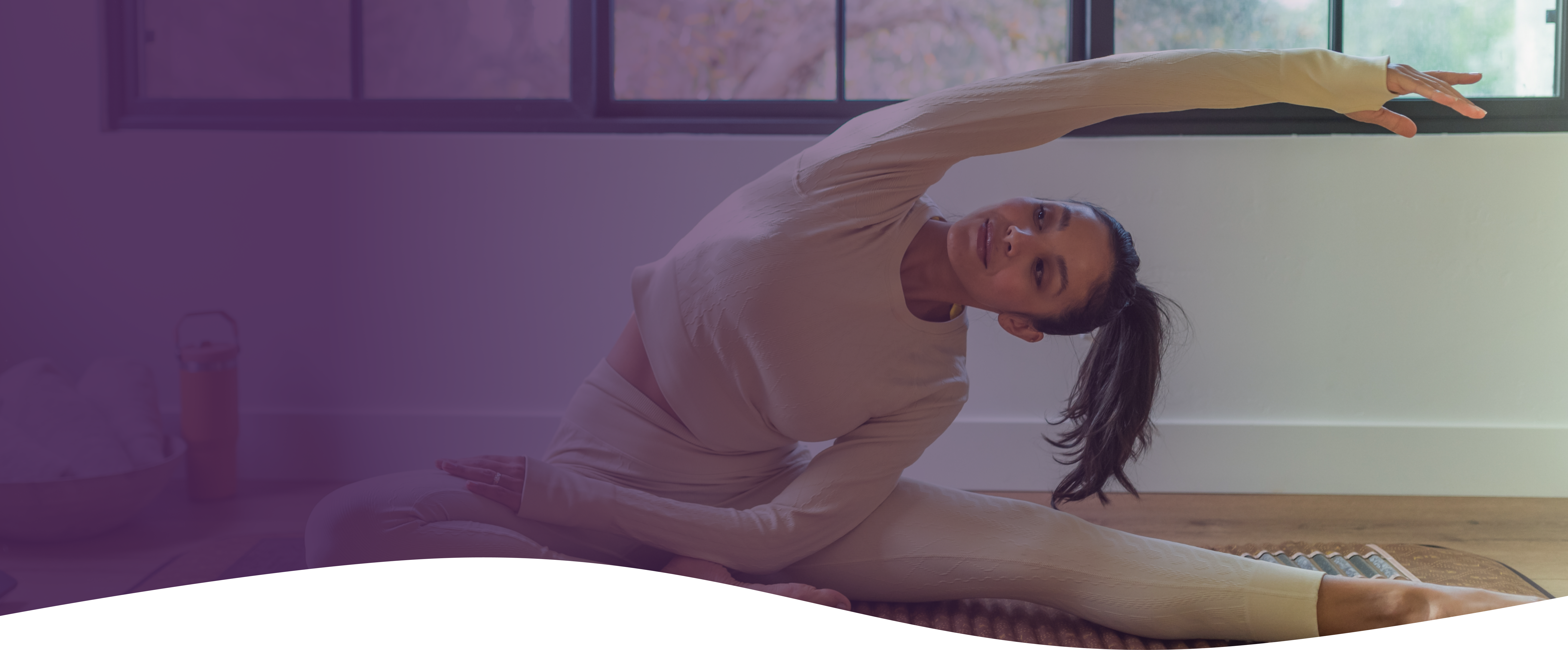
Woman in beige activewear doing a seated side stretch on a yoga mat beside a window in a calm room

Is it time for a “stress intervention”?

April is Stress Management Awareness Month, which means it’s the perfect time to take a moment to assess the effects that stress may be having on your life.

Many of us continue to underestimate these effects, and we refuse to make the connection between our levels of stress and the work, relationship and health issues that we just can’t seem to resolve.

Essentially, we are in complete denial.

Yet we are staring in the face of an epidemic. A full 80 percent of us feel stress on the job, for instance, and this has a direct effect on our health: 75-90 percent of all visits to primary care physicians are for stress related problems!


Unfortunately, stress doesn’t just go away if we refuse to acknowledge it. In fact, the only way to reduce levels of stress to manageable levels is to recognize that stress plays a significant role in our lives, and then consciously begin a program to reduce stress and introduce greater calm and relaxation into our daily lives. In other words, we need to stage a stress intervention.

Stress intervention—step #1: Admitting the problem

The first step in our stress intervention should involve admitting to ourselves that stress is affecting our quality of life. Take a moment to think about it. How many of these symptoms have you experienced recently?

  • A fast heartbeat
  • A headache
  • A stiff neck and/or tight shoulders
  • Back pain
  • Fast breathing
  • Sweating, and sweaty palms
  • An upset stomach, nausea, or diarrhea
  • A short temper or irritability
  • Inability to focus or concentrate
  • Fearfulness about the future

If any of these symptoms sound familiar, you are probably dealing with moderate to high levels of stress. And although you may think you’re “coping” for the time being, if left untreated, stress can have a deeply negative effect on every aspect of your life, including your health, relationships and career.

Stress intervention—step #2: Recognizing the causes

The next step in addressing stress is to identify sources or triggers for your stress. Some of the most common sources of stress include:

  • Changes in your work schedule or responsibilities
  • A move to a new neighborhood, city or country
  • Family changes, such as poor health in a family member, or changes in the amount of time you spend together
  • A change of school, or the beginning or end of a school term
  • A change in type or level of social activities
  • Change to income levels or sources
  • Loss or damage to personal property
  • A foreclosure or investment/credit problems
  • A major purchase
  • Illness, injury or even major dental work
  • A change in your eating or sleeping habits

If one or more of these stressors is present in your life, they may be having more of an effect on your mental and physical health than you think.

Stress intervention—step #3: Finding peace and calm

stress awareness monthThe final step in dealing with stress is to find ways of eliminating it from your life for good. Although you can’t always control the issues that cause stress in the first place—such as job loss, illness, and other crises—you can learn to manage stress and minimize the short- and long-term damage to your physical and mental health through proven relaxation techniques.

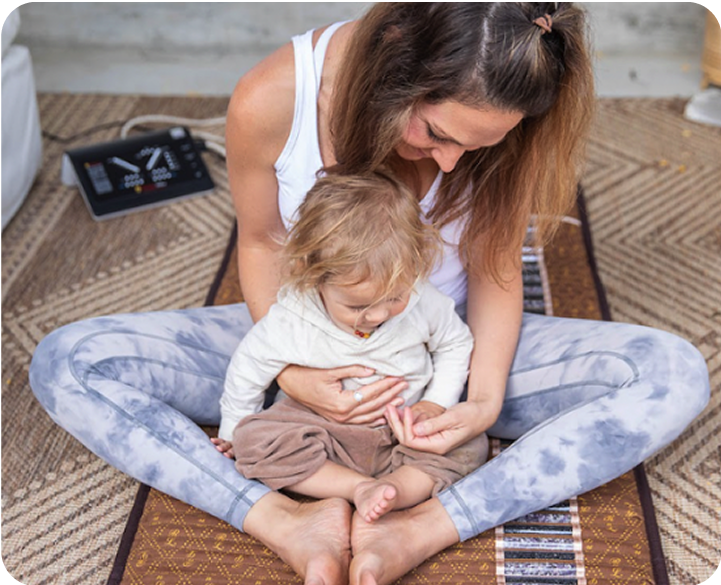
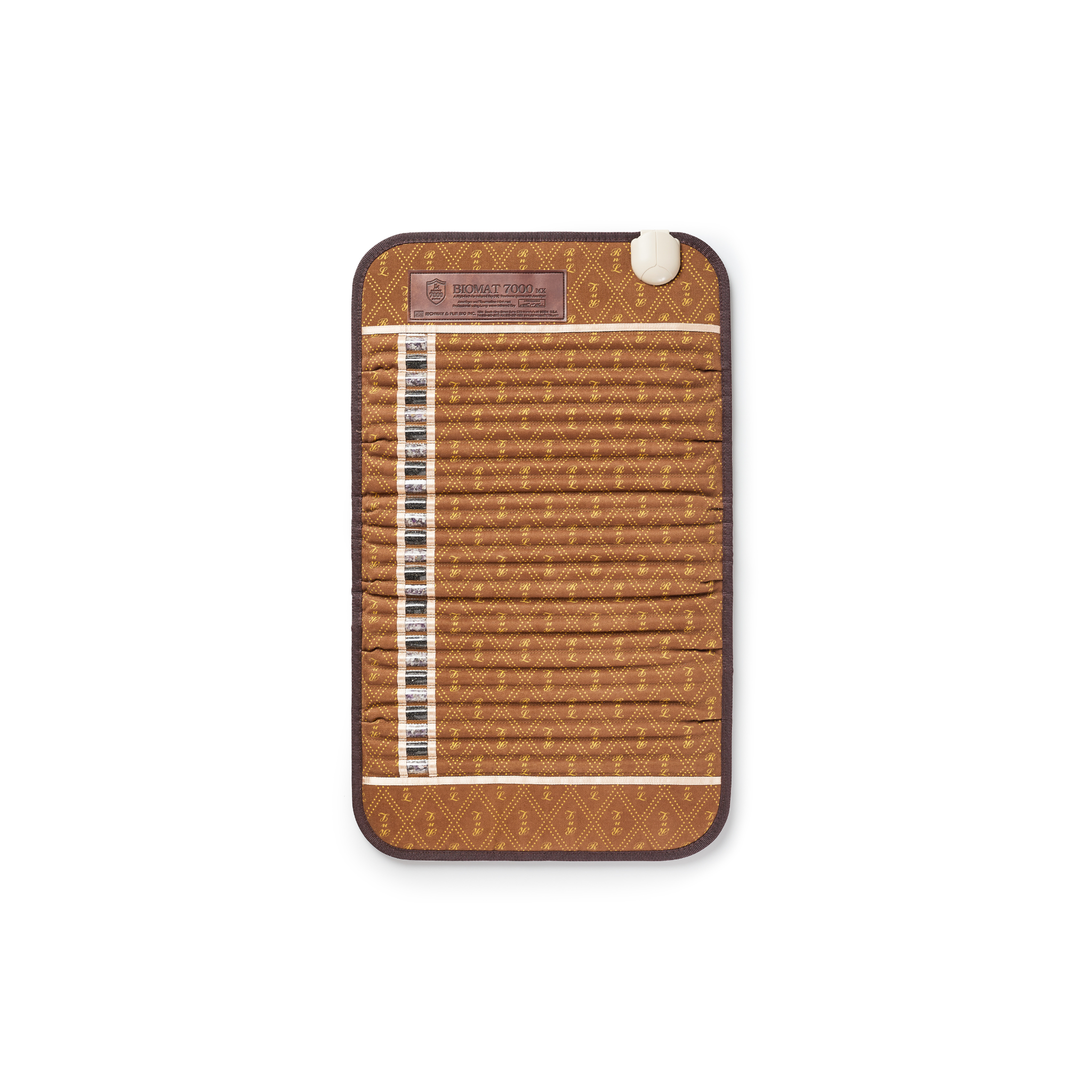
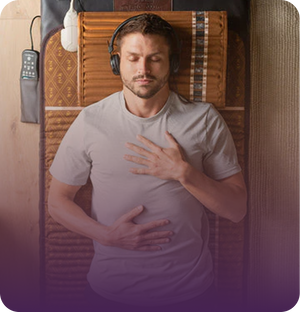
Your BioMat can play an effective role in your stress reduction regimen. Try to set aside 20 minutes per day to lie full-length on your BioMat. Make sure you do this somewhere quiet and restful. Dim the lights and set the controls to the “green” or “yellow” settings (between 95˚ to 122˚) to encourage deep relaxation. If you find it hard to set aside time during the day, try lying on your BioMat in bed. The soothing warmth and negative ion therapy will help improve and stabilize your mood.

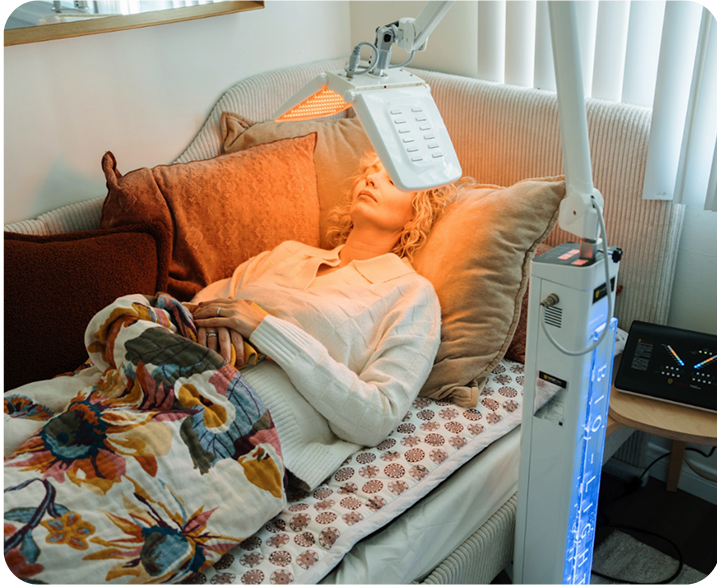
For added benefit, try pairing the BioMat treatment with energizing visualization treatments from your New Reality Portable Accelerated Learning (PAL) Device. By encouraging Theta brainwave activity, the PAL Device helps you enter a more peaceful, lucid mindset. Consider the Less Stress Series of 12 sessions designed to help you see yourself as the healthy, happy, optimistic person you'd prefer to be. With this technology and new image, your fears and frustrations fade away, your anxiety vanishes, and you no longer let small things stress you.

You can amplify the stress-relieving effects of your BioMat and PAL Device treatments further by making sure you get plenty of rest (aim for eight hours each night) and trying to incorporate 10 to 20 minutes of gentle exercise into your day.

Don’t let stress control your life. You can learn to live a calmer, more mindful existence by examining the role stress plays in your life, and taking action to gain the upper hand.

Is it time for a “stress intervention”?

Woman running with a briefcase inside a clock face illustrating feeling rushed and stressed

April is Stress Management Awareness Month, which means it’s the perfect time to take a moment to assess the effects that stress may be having on your life.

Many of us continue to underestimate these effects, and we refuse to make the connection between our levels of stress and the work, relationship and health issues that we just can’t seem to resolve.

Essentially, we are in complete denial.

Yet we are staring in the face of an epidemic. A full 80 percent of us feel stress on the job, for instance, and this has a direct effect on our health: 75-90 percent of all visits to primary care physicians are for stress related problems!


Unfortunately, stress doesn’t just go away if we refuse to acknowledge it. In fact, the only way to reduce levels of stress to manageable levels is to recognize that stress plays a significant role in our lives, and then consciously begin a program to reduce stress and introduce greater calm and relaxation into our daily lives. In other words, we need to stage a stress intervention.

Stress intervention—step #1: Admitting the problem

The first step in our stress intervention should involve admitting to ourselves that stress is affecting our quality of life. Take a moment to think about it. How many of these symptoms have you experienced recently?

  • A fast heartbeat
  • A headache
  • A stiff neck and/or tight shoulders
  • Back pain
  • Fast breathing
  • Sweating, and sweaty palms
  • An upset stomach, nausea, or diarrhea
  • A short temper or irritability
  • Inability to focus or concentrate
  • Fearfulness about the future

If any of these symptoms sound familiar, you are probably dealing with moderate to high levels of stress. And although you may think you’re “coping” for the time being, if left untreated, stress can have a deeply negative effect on every aspect of your life, including your health, relationships and career.

Stress intervention—step #2: Recognizing the causes

The next step in addressing stress is to identify sources or triggers for your stress. Some of the most common sources of stress include:

  • Changes in your work schedule or responsibilities
  • A move to a new neighborhood, city or country
  • Family changes, such as poor health in a family member, or changes in the amount of time you spend together
  • A change of school, or the beginning or end of a school term
  • A change in type or level of social activities
  • Change to income levels or sources
  • Loss or damage to personal property
  • A foreclosure or investment/credit problems
  • A major purchase
  • Illness, injury or even major dental work
  • A change in your eating or sleeping habits

If one or more of these stressors is present in your life, they may be having more of an effect on your mental and physical health than you think.

Stress intervention—step #3: Finding peace and calm

stress awareness monthThe final step in dealing with stress is to find ways of eliminating it from your life for good. Although you can’t always control the issues that cause stress in the first place—such as job loss, illness, and other crises—you can learn to manage stress and minimize the short- and long-term damage to your physical and mental health through proven relaxation techniques.

Your BioMat can play an effective role in your stress reduction regimen. Try to set aside 20 minutes per day to lie full-length on your BioMat. Make sure you do this somewhere quiet and restful. Dim the lights and set the controls to the “green” or “yellow” settings (between 95˚ to 122˚) to encourage deep relaxation. If you find it hard to set aside time during the day, try lying on your BioMat in bed. The soothing warmth and negative ion therapy will help improve and stabilize your mood.

For added benefit, try pairing the BioMat treatment with energizing visualization treatments from your New Reality Portable Accelerated Learning (PAL) Device. By encouraging Theta brainwave activity, the PAL Device helps you enter a more peaceful, lucid mindset. Consider the Less Stress Series of 12 sessions designed to help you see yourself as the healthy, happy, optimistic person you'd prefer to be. With this technology and new image, your fears and frustrations fade away, your anxiety vanishes, and you no longer let small things stress you.

You can amplify the stress-relieving effects of your BioMat and PAL Device treatments further by making sure you get plenty of rest (aim for eight hours each night) and trying to incorporate 10 to 20 minutes of gentle exercise into your day.

Don’t let stress control your life. You can learn to live a calmer, more mindful existence by examining the role stress plays in your life, and taking action to gain the upper hand.

These statements have not been evaluated by the Food and Drug Administration. These products are not intended to diagnose, treat, cure, or prevent any disease. Specific medical advice should be obtained from a licensed health care practitioner. Learn more about our editorial standards and medical review process.
Sidebar

Blog categories

This section doesn’t currently include any content. Add content to this section using the sidebar.

Recent Post

This section doesn’t currently include any content. Add content to this section using the sidebar.

Pro vs Mini
What’s Right for You?

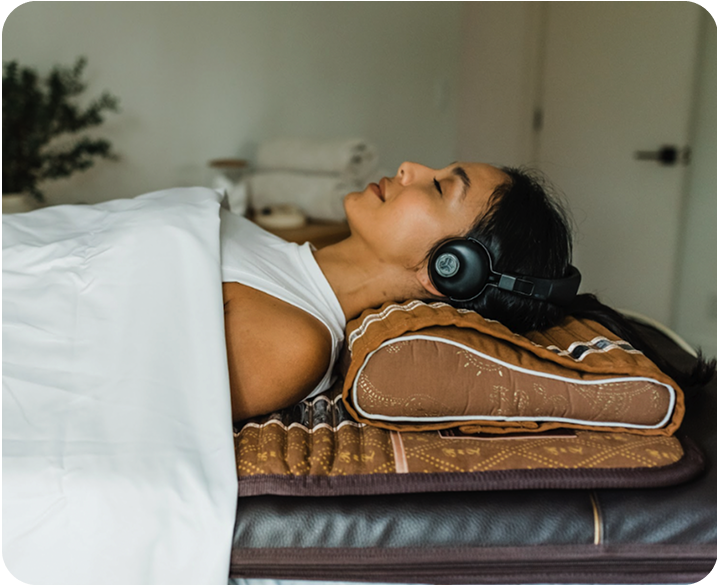
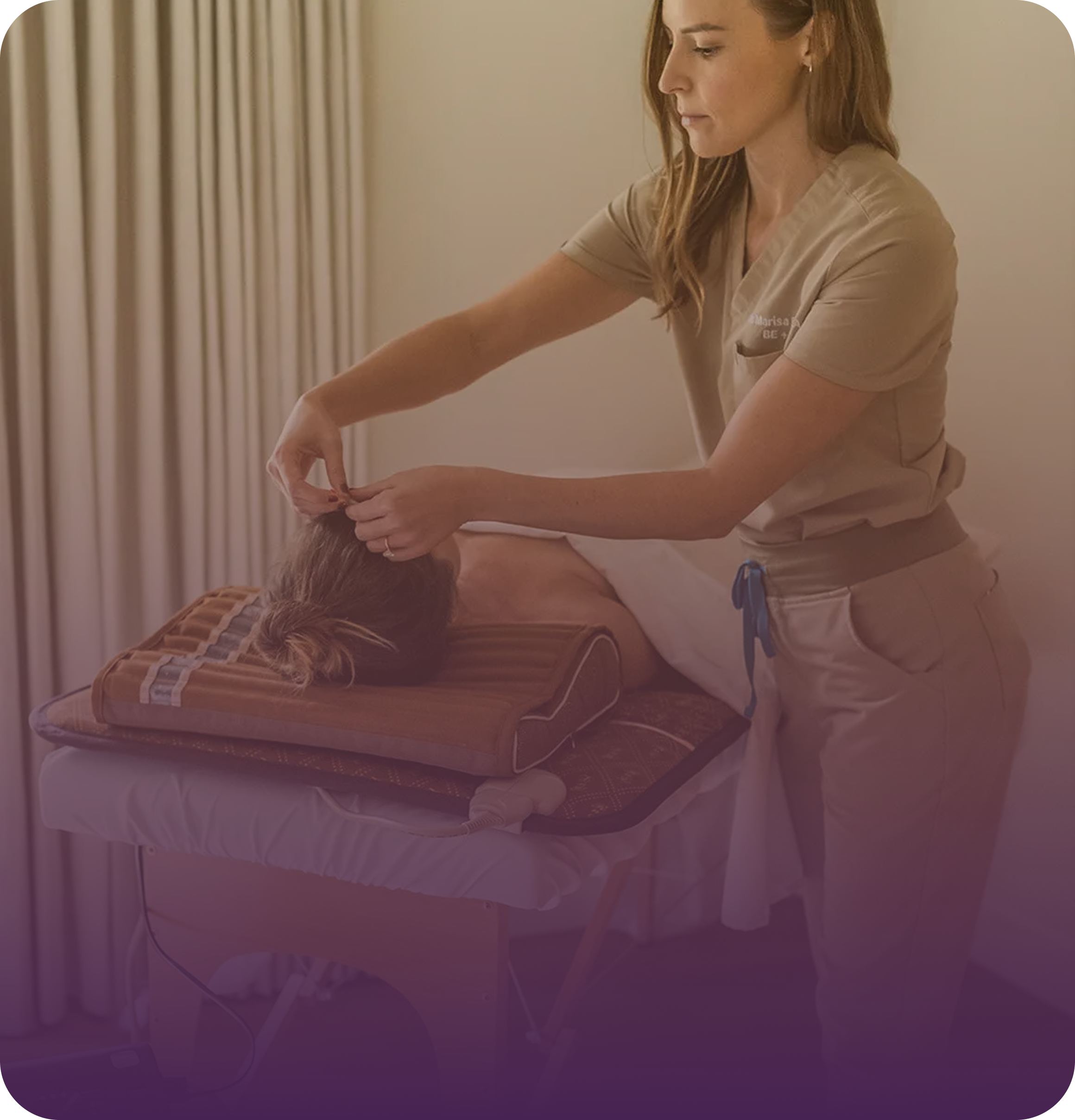
Massage therapist adjusting a client’s hair while they lie face down on a massage table with a BioMat mat and pillow
Badge

BioMat® Professional

$2,150.00 USD $0.00 USD

The Professional size BioMat® is perfect for whole body healing or your treatment table during a session. BioMat® Pro comes complete with a control panel with variable

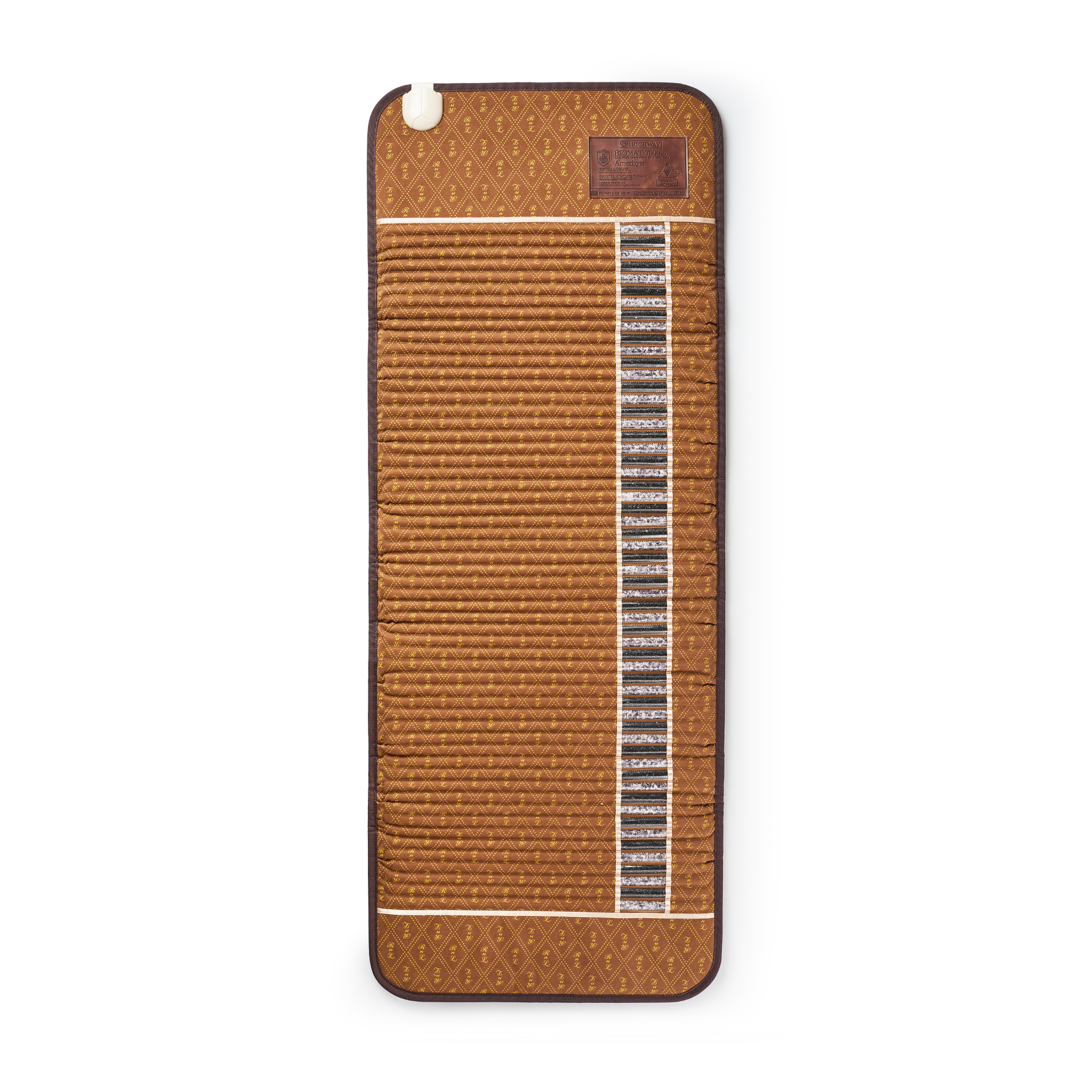
Top view of BioMat Professional full-length infrared mat showing quilted brown surface, crystal stone strip, and white controller on white background
Banner ‘What’s Inside Matters’ listing four elements: far infrared, negative ions, amethyst, tourmaline
Infographic showing person meditating on BioMat highlighting five wellness benefits and headline ‘Feel Better, Every Day’
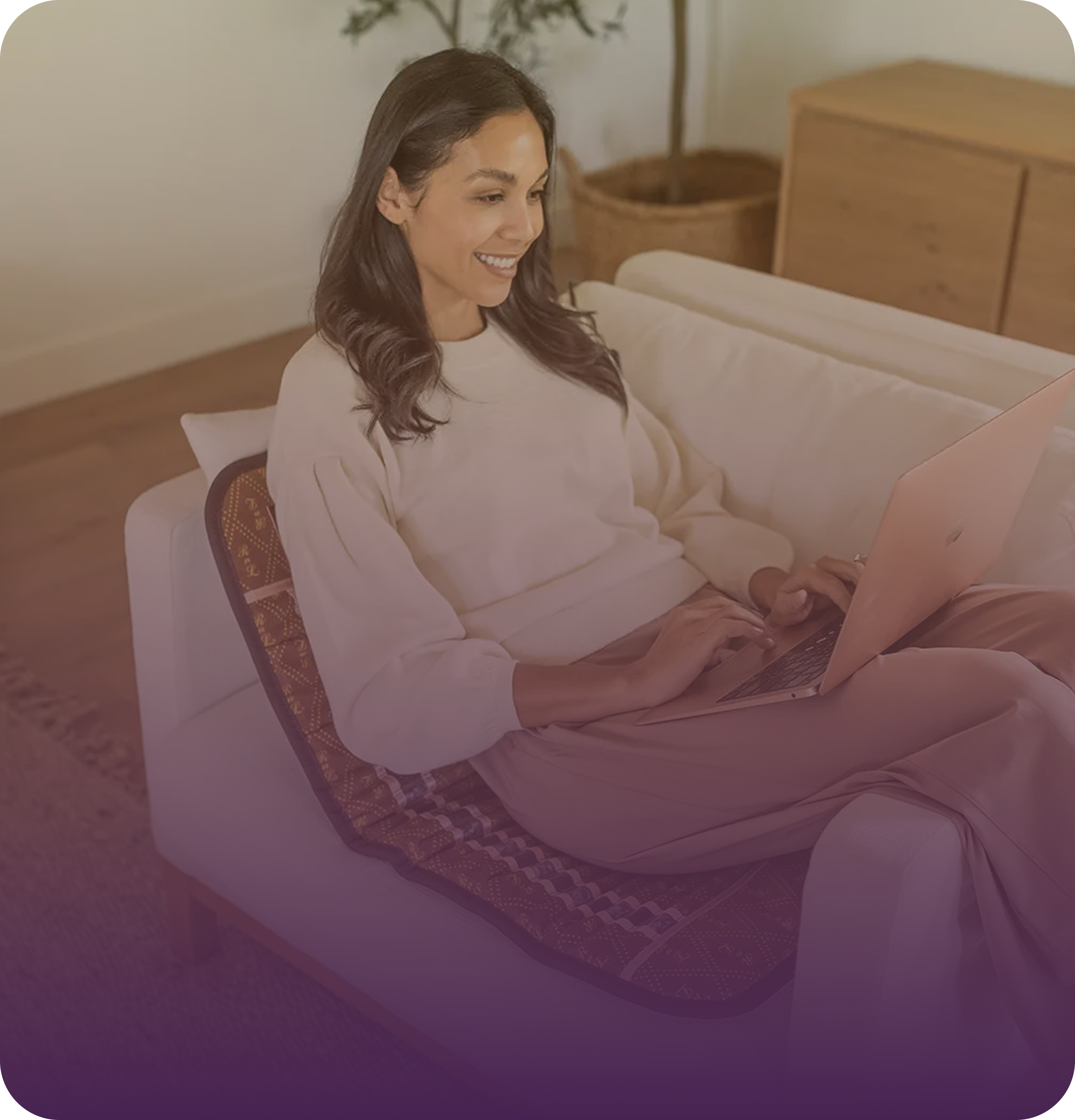
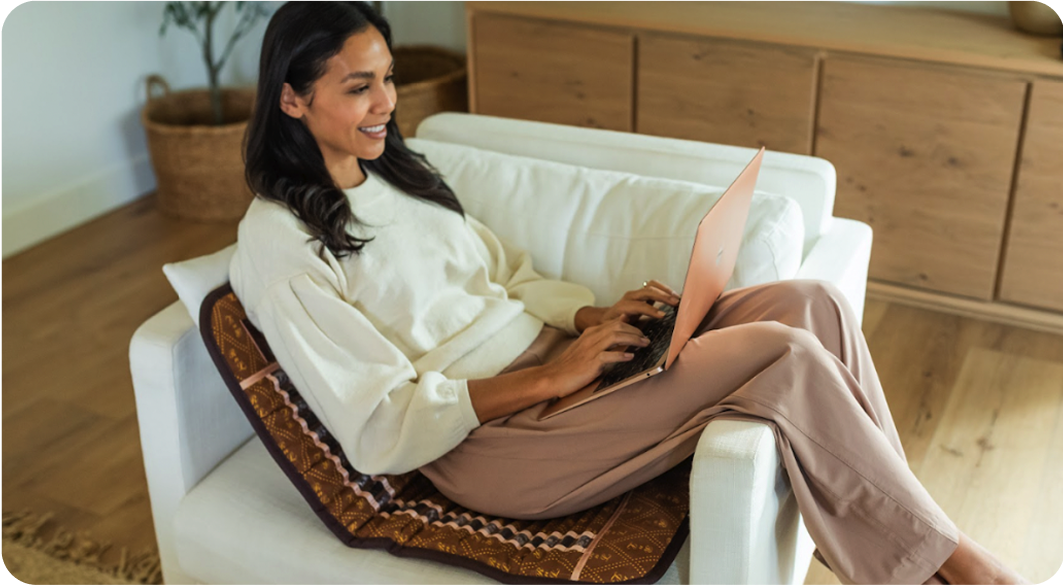
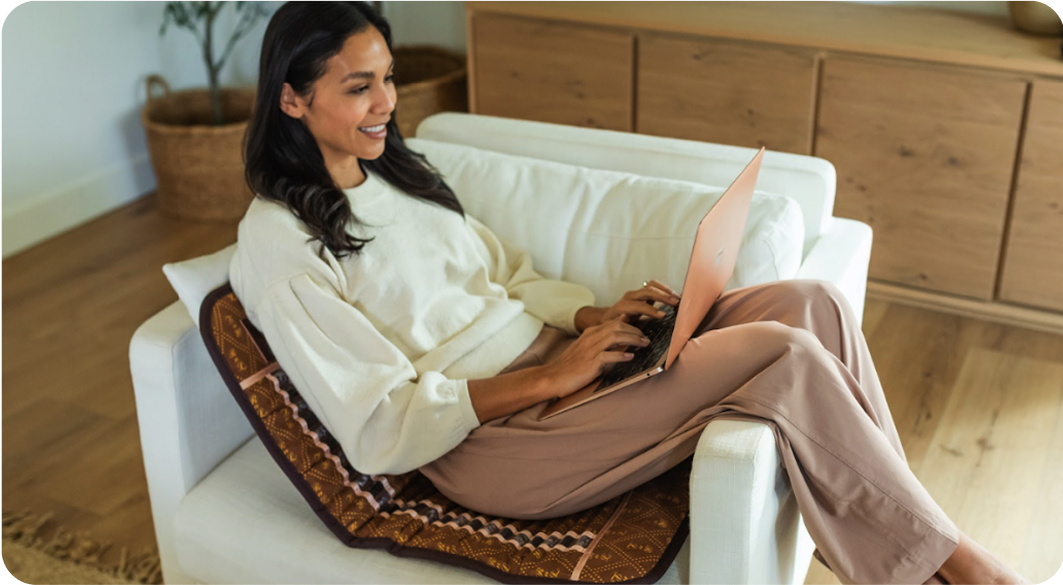
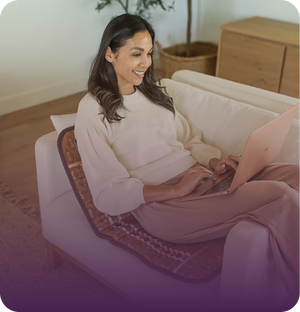
Woman sitting on a sofa using a laptop with a BioMat mat beneath her in a relaxed living room setting
Badge

BioMat® Mini

$850.00 USD

Ideal for smaller spaces or on-the-go therapy, the BioMat® Mini brings all the Infrared, Negative Ion and the superconducting properties of pure Amethyst benefits into a compact...

Top view of BioMat Mini mat showing quilted brown amethyst pattern, controller, and large ‘BioMat Mini’ headline on white background
Woman sitting in a chair using a laptop with a BioMat Mini mat under her back and circular wellness icons above
Graphic showing headline One Tool. Four Proven Benefits with BioMat Mini and icons for stress sleep pain inflammation

It Works While You Rest

The BioMat comes with:

30-day trial icon

30-Day Risk Free Trial

Money-back guarantee icon

3 Year Warranty

Proven results icon

25+ Year of Proven Results

FSA and HSA eligible icon

FSA/HSA Eligible

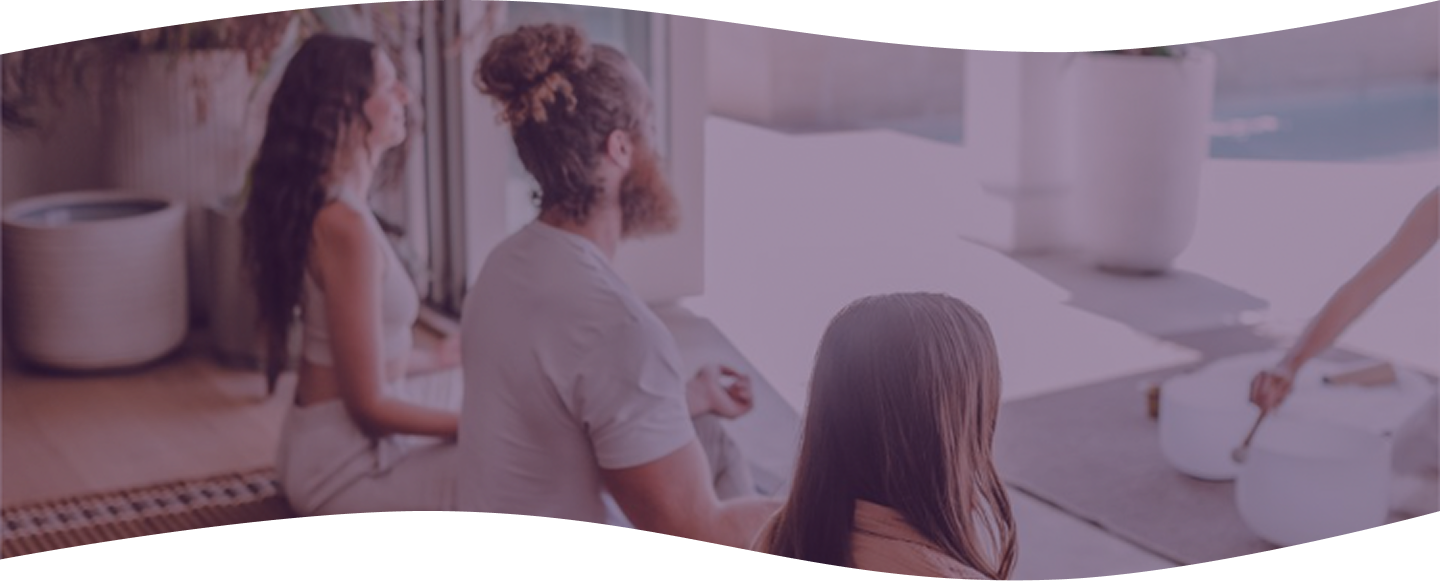
Three people meditating on mats near an open sunlit doorway with a singing bowl

Join the 500,000+ Using the BioMat to sleep
better, hurt less, and live more.