


Key Takeaways:
- Penetration Depth: Far Infrared heat penetrates 6 to 8 centimeters, while PEMF works through electromagnetic pulses without thermal warmth.
- Far Infrared FDA Status: BioMat® holds FDA 510(k) Class II Medical Device registration with therapeutic indications for arthritis, joint pain, and muscle spasms. PEMF has FDA clearance for bone fusion and some device-specific uses.
- Crystal Therapy Perks: Amethyst amplifies Far Infrared output evenly across the mat surface, while black Tourmaline generates 3,236 Negative Ions per cubic centimeter.
Both PEMF and Far Infrared therapy have real research behind them, and both are used by health professionals for legitimate therapeutic purposes. They're not the same technology, though, and the difference between them matters depending on what you're trying to address.
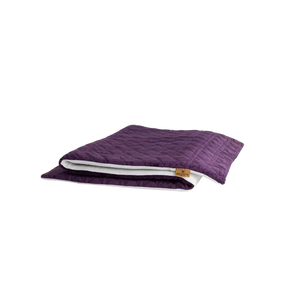
The BioMat® has been at the center of Far Infrared therapy for over 25 years as an FDA 510(k) Class II registered Medical Device, trusted by more than 500,000 users and health professionals worldwide. It combines Far Infrared heat with Negative Ion therapy and natural Amethyst and Tourmaline crystal conductivity, a system built specifically around the mechanisms that make Far Infrared therapeutically distinct from other approaches, including PEMF.
This post breaks down how each technology works, where each one excels, and what separates PEMF vs. Infrared when it comes to pain and recovery. So, you can decide which fits your situation, or whether both have a role to play.
Infrared vs. PEMF: The Science Behind Each Technology
Pulsed Electromagnetic Field (PEMF) and Far Infrared heat therapy both have a genuine and growing research base. So, understanding what each one does well clarifies where their limits begin.
How PEMF Therapy Works
PEMF devices generate low-frequency electromagnetic pulses that pass through the body and influence how cells function. It does this by acting on ion channels in cell membranes, which control how nutrients enter and how waste products leave (Ross et al., 2019). The result is improved cellular signaling, less inflammatory activity, and support for cellular-level tissue repair.
Currently, PEMF has FDA clearance for bone fusion and has been used for decades by chiropractors, naturopaths, and sports medicine physicians. Dr. Oz Looks at PEMF Therapy covers the mainstream attention PEMF received and the different device formats, like mats, knee devices, and patches, that have brought it into home use. For further information, An Introduction to PEMF Mats covers the wider scope of PEMF applications in more detail.
How Far Infrared Works
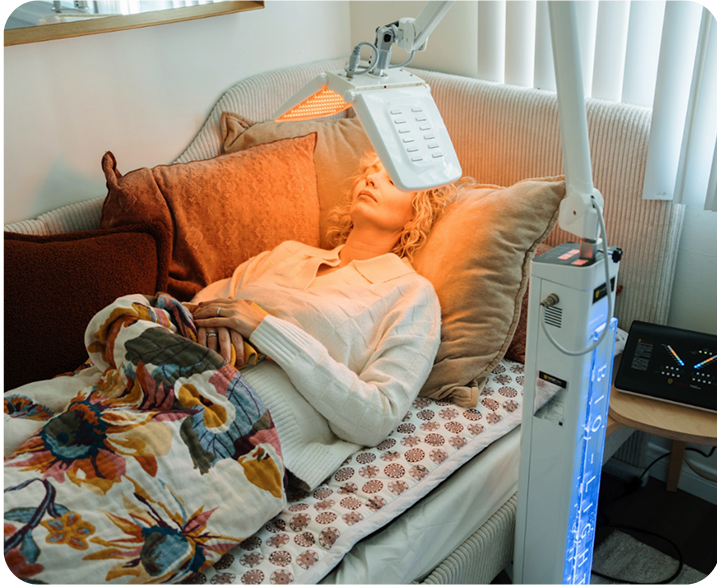
Far Infrared operates through an entirely unique mechanism. Rather than using electromagnetic pulses to alter cellular signaling, Far Infrared wavelengths in the 5.6 to 15 micron range are absorbed by water molecules in body tissue, generating heat from within rather than from an external source. That internal heating is what gives Far Infrared its depth advantage, penetrating 6 to 8 centimeters below the skin's surface to reach joint capsules, deep muscle tissue, synovial membranes, and connective tissue where discomfort tends to originate. How the BioMat Works: Infrared, Amethyst and Ions covers the full mechanism behind BioMat®'s Far Infrared delivery system.

PEMF Therapy vs. Infrared: Where Each One Excels
This is where the PEMF therapy vs. Infrared debate becomes most decisive. Namely, it helps to know what each reaches and what each activates.
Where PEMF Has Strong Applications
PEMF has the strongest research base for situations in which the body needs help repairing specific structures rather than for managing ongoing chronic discomfort. Bone fractures that aren't healing properly, post-surgical recovery, and cartilage damage are among the most well-documented applications. The basic idea is that electromagnetic pulses stimulate the cells involved in repair to work more efficiently, helping the body do faster what it would eventually do on its own. For that kind of targeted, repair-focused use case, PEMF is a well-established tool with a legitimate track record.
Where Far Infrared Goes Further
This comparison is most relevant for conditions such as joint inflammation, arthritis, and deep tissue pain, where reaching the anatomical source of discomfort determines whether a therapy helps. Far Infrared's thermal vasodilation widens the blood vessels, which may increase oxygen delivery to tissue, support clearance of metabolic waste, and activate heat shock proteins: specialized molecules involved in cellular repair that thermal stimulation triggers and electromagnetic pulses don't.
The BioMat® also holds FDA 510(k) Class II Medical Device registration with specific indications for arthritis pain, joint pain and stiffness, muscle spasms, and minor sprains. These therapeutic claims were reviewed by FDA officers based on submitted clinical evidence. Our Research page provides direct access to the peer-reviewed studies documenting Far Infrared therapeutic outcomes.

PEMF Mat vs. Infrared Mat: What The BioMat® Adds
Beyond Far Infrared penetration depth, the BioMat® includes two crystal-based mechanisms that no PEMF device offers.
Amethyst Amplification
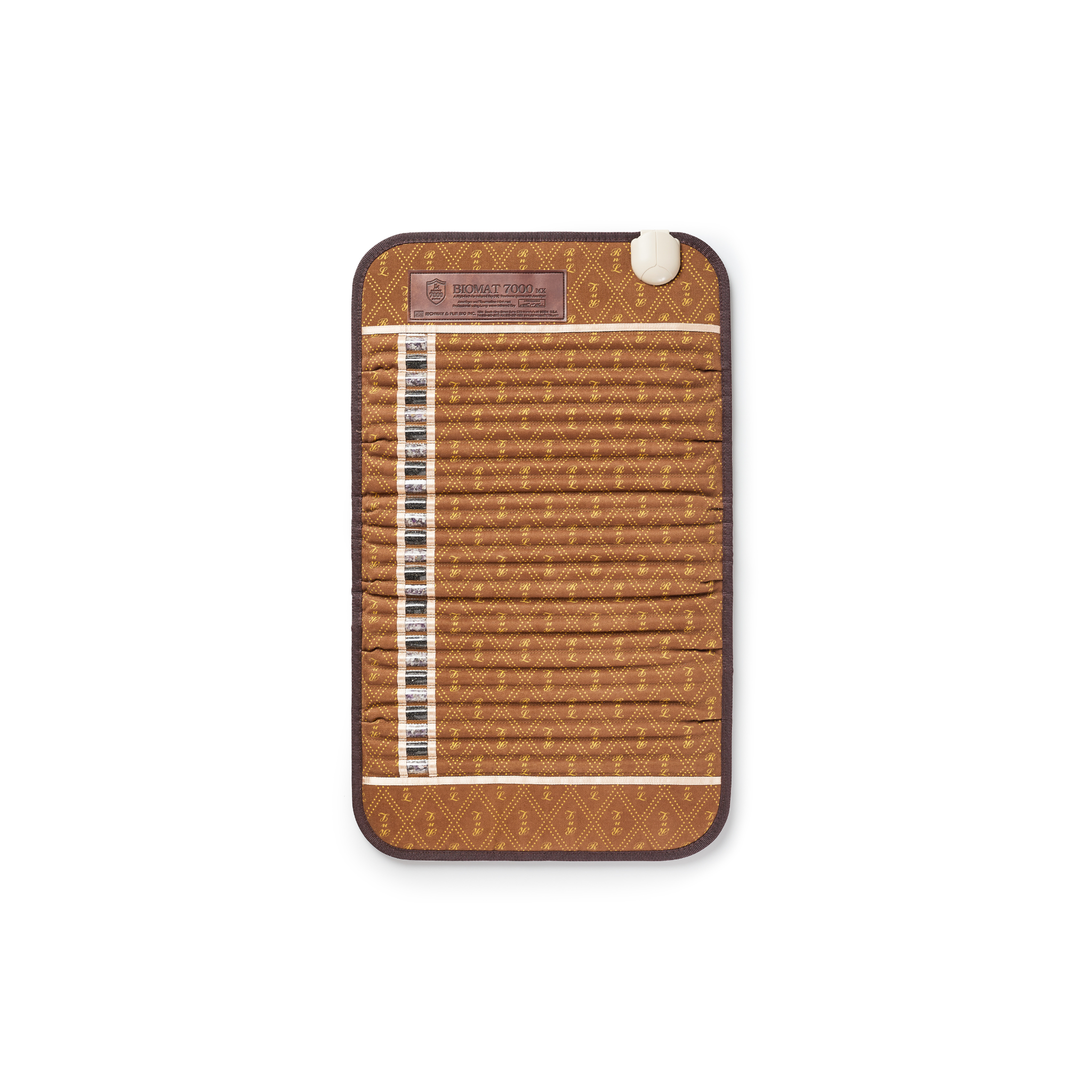
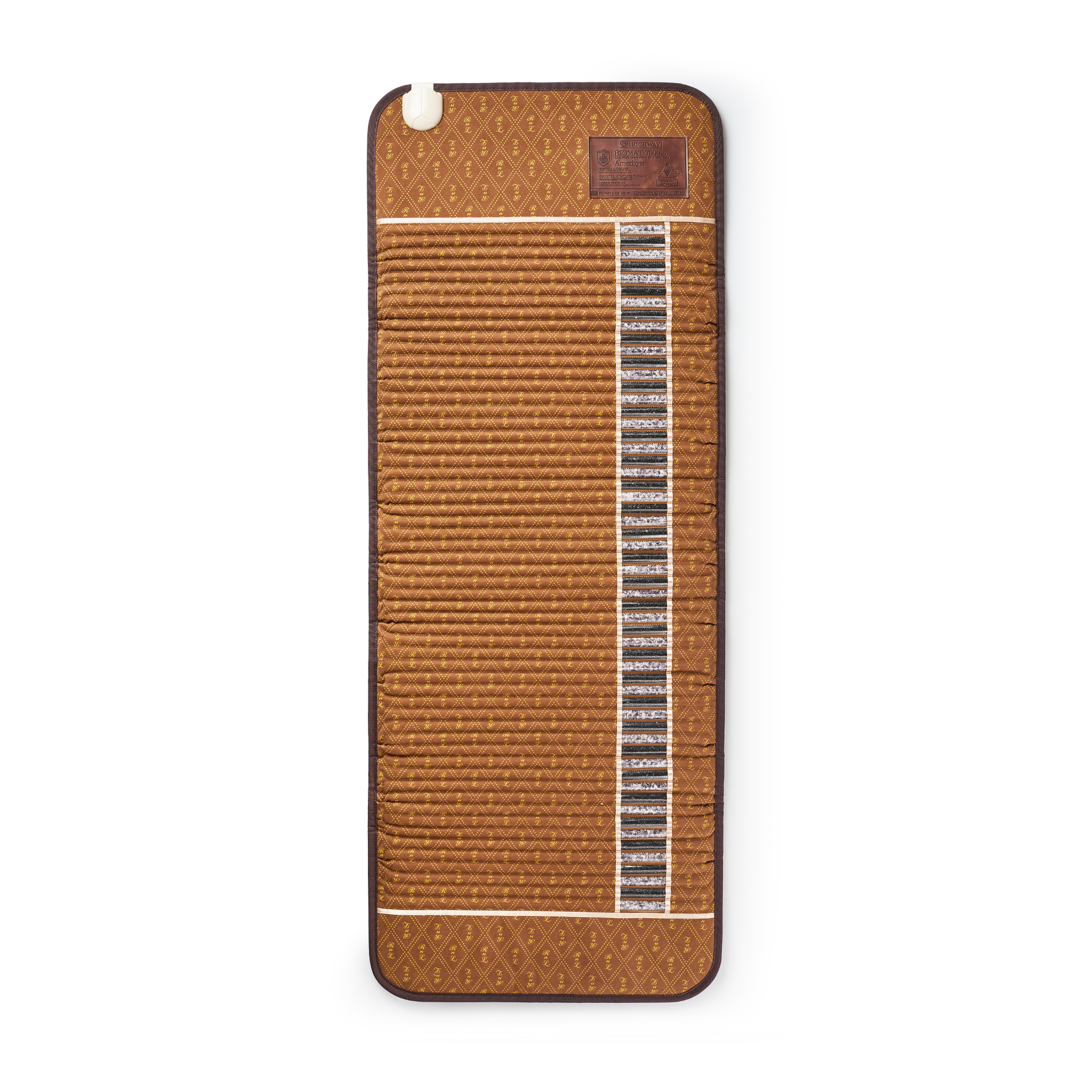
Natural Amethyst has a hexagonal crystal structure that amplifies and distributes Far Infrared output more evenly than standard heating elements. The BioMat® lines its surface with parallel Amethyst channels, ensuring consistent therapeutic exposure across the entire mat surface regardless of body position. This even distribution also allows deep-tissue warmth at lower surface temperatures, which matters for extended sessions and for heat-sensitive users.
Tourmaline Negative Ion Generation
Heated Tourmaline crystals generate approximately 3,236 Negative Ions per cubic centimeter throughout every session. Negative Ions may help neutralize free radicals, unstable molecules that build up and can damage cells over time, and research associates Negative Ion exposure with reduced stress markers and mood support (Jiang et al., 2018). For users whose pain has a stress component, this adds a soothing layer that neither heat nor electromagnetic pulses address directly. The BioMat® Professional delivers all three mechanisms, namely Far Infrared, Amethyst amplification, and Tourmaline Negative Ions, across full-body coverage for comprehensive sessions.
PEMF vs. Infrared Therapy: Which Fits Your Situation?
The honest answer is that it depends on what you're managing. PEMF is best suited for fractures, post-surgical recovery, and cellular repair, where electromagnetic stimulation is the primary mechanism needed. Far Infrared is best suited for arthritis, joint inflammation, and widespread pain, where thermal depth and vasodilation are what make the difference. For users managing complex or overlapping conditions, the two approaches address distinct biological targets, so combining them might be helpful rather than redundant.
In terms of cost, clinical PEMF devices typically cost at least twice as much as the BioMat® Professional, and considerably more than the BioMat® Mini. For users looking for cost-effective Far Infrared, crystal amplification, Negative Ion therapy, and FDA device registration in a single investment, the BioMat® represents a more focused and better-documented option for pain and recovery.

Final Thoughts
PEMF and Far Infrared are both legitimate therapies with their own research bases and their own appropriate applications. The decision between them, or the choice to use both, really comes down to where your condition originates and what mechanism it responds to. For pain that lives deep in joint and connective tissue, Far Infrared's thermal depth is the more directly relevant tool. For repair and cellular signaling, PEMF has well-documented applications. Knowing the difference is the starting point for making the right choice.
Frequently Asked Questions About PEMF Vs. Infrared
Can PEMF and Far Infrared be used in the same session?
Yes. They work through different mechanisms and don't interfere with each other. Many users incorporate both into their routines for different purposes.
Does BioMat® include any PEMF technology?
No. The BioMat® delivers Far Infrared, Negative Ions, and Amethyst and Tourmaline crystal therapy. It does not produce pulsed electromagnetic fields.
Is Far Infrared safe for people with metal implants or pacemakers?
Far Infrared is generally considered safe around metal implants since it doesn't interact with metals the way electromagnetic fields can. Users with pacemakers should consult their physician before any thermal therapy.
Does PEMF therapy reduce cortisol the way Far Infrared does?
No equivalent cortisol reduction study exists for PEMF therapy. Meanwhile, an independent 12-week BioMat® study documented up to 78% cortisol reduction through daily sessions, measured through biofeedback and blood analysis.
Which therapy is better for post-workout muscle recovery?
PEMF supports cellular repair and may help decrease post-exercise inflammation at the signaling level. Far Infrared accelerates lactic acid clearance through vasodilation at greater tissue depth. Both have a role depending on whether the primary goal is cellular repair or circulation-driven recovery.
How does the cost of PEMF devices compare to BioMat®?
Clinical PEMF devices typically cost at least twice as much as the BioMat® Professional and considerably more than the BioMat® Mini. For more savings, both BioMat® models include a 30-day money-back guarantee, free shipping to the USA and Canada, and a $100 discount for health professionals, veterans, and first responders.
Sources:
- Ross, C. L., Zhou, Y., McCall, C. E., Soker, S., & Criswell, T. L. (2019). The Use of Pulsed Electromagnetic Field to Modulate Inflammation and Improve Tissue Regeneration: A Review. Bioelectricity, 1(4), 247–259. https://doi.org/10.1089/bioe.2019.0026
- Jiang, S. Y., Ma, A., & Ramachandran, S. (2018). Negative air ions and their effects on human health and air quality improvement. International Journal of Molecular Sciences, 19(10), 2966. https://doi.org/10.3390/ijms19102966
These statements have not been evaluated by the Food and Drug Administration. These products are not intended to diagnose, treat, cure, or prevent any disease. Specific medical advice should be obtained from a licensed health care practitioner.
Learn more about our editorial standards and medical review process.