


Key Takeaways:
- Clearance Separates Devices: The BioMat® holds FDA 510(k) Class II Medical Device clearance with independently reviewed therapeutic indications, a designation that requires submission of pre-market clinical evidence and investments in ongoing annual testing.
- Similar-Sounding Mechanisms, Different Outputs: The BioMat® uses Far Infrared, while the Hooga uses Near Infrared.
- Science Speaks Loudly: Understanding what each device has and hasn't verified independently helps buyers match the right product to their specific needs.
The Infrared mat category has expanded significantly, and with that growth comes a wider range of products, price points, and claims. Two devices that come up frequently in side-by-side research are the Hooga Infrared mat and the BioMat®. At first glance, they seem similar, since both use Infrared, and both are marketed for wellness and recovery support.
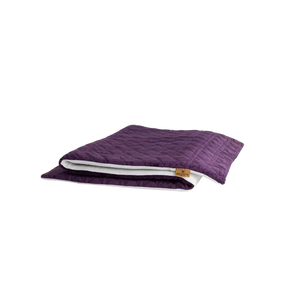
At BioMat, we have been working on our FDA-registered Far Infrared crystal therapy technology since 1996, which is now trusted by more than 500,000 users and health professionals worldwide. Our device carries FDA 510(k) Class II Medical Device clearance, earned through independent clinical evidence. That said, the more useful comparison between Hooga and the BioMat® looks at what each device has submitted for external review, how the materials are sourced and verified, and what support structure is available after purchase.
This article covers those distinctions honestly, so you can make an informed decision based on what each device has demonstrated.
Hooga vs. BioMat®: Comparing The Underlying Technology
Both devices use Infrared light, but they operate in different parts of the spectrum, and that matters more than it might initially seem.
Near Infrared In The Hooga Mat
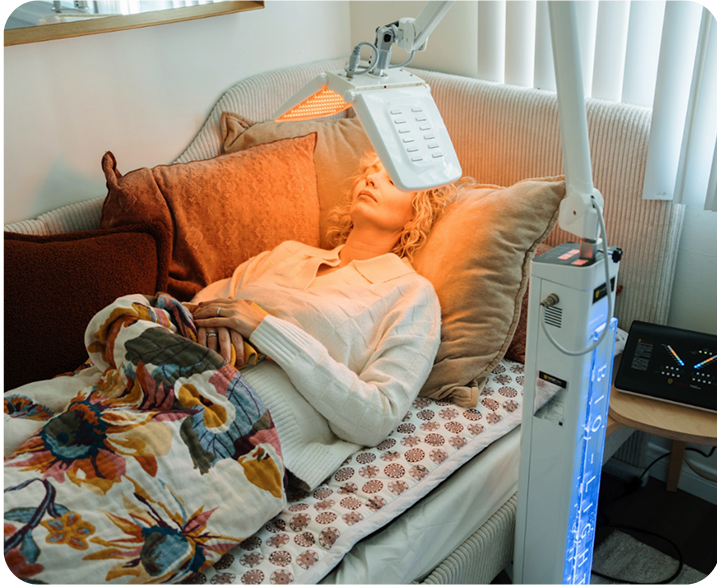
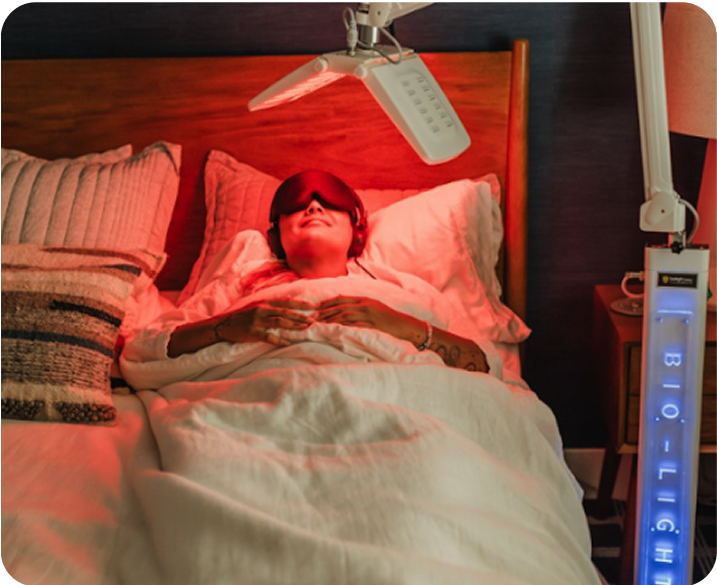
The Hooga Red Light Therapy Full Body Blanket uses visible red light (660nm) and Near Infrared (850nm) LEDs. These wavelengths work at and near the skin's surface, typically penetrating a few millimeters to around 1–2 cm into tissue. Generally speaking, red and Near Infrared light therapy is primarily studied in the context of skin health, surface-level inflammation, and localized cellular effects. It's a legitimate technology with its own body of research, but it operates at a fundamentally different depth than Far Infrared.
How Far Infrared Penetrates Deeper In The BioMat®
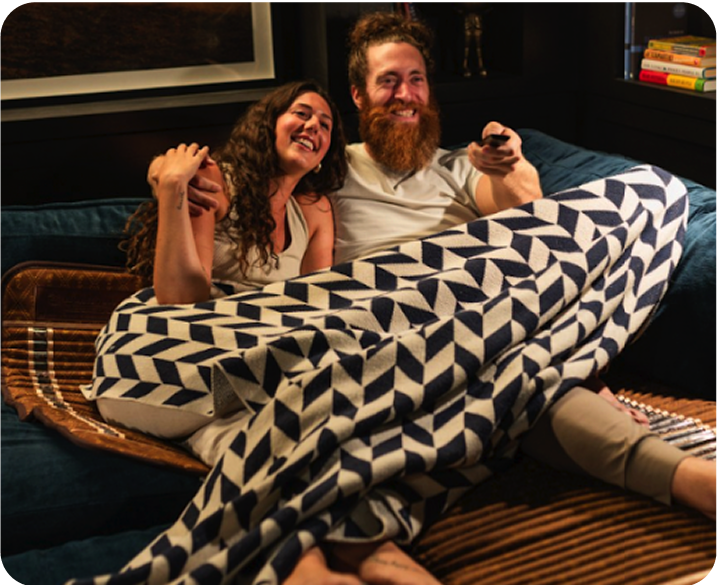
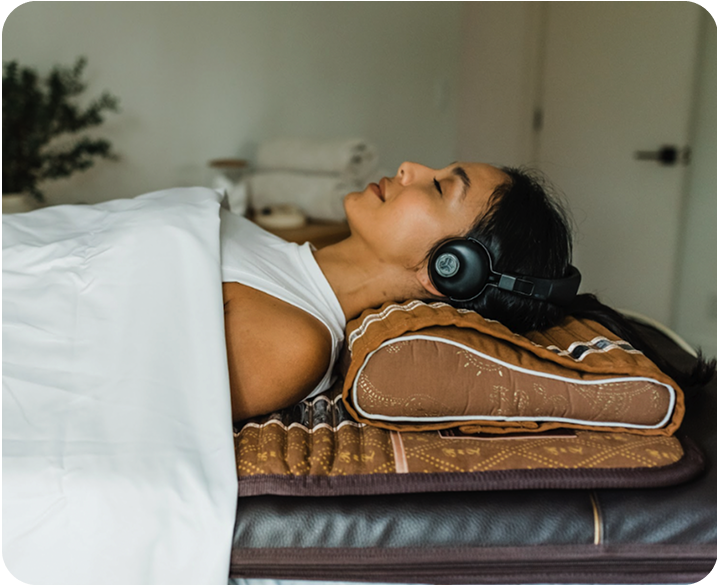
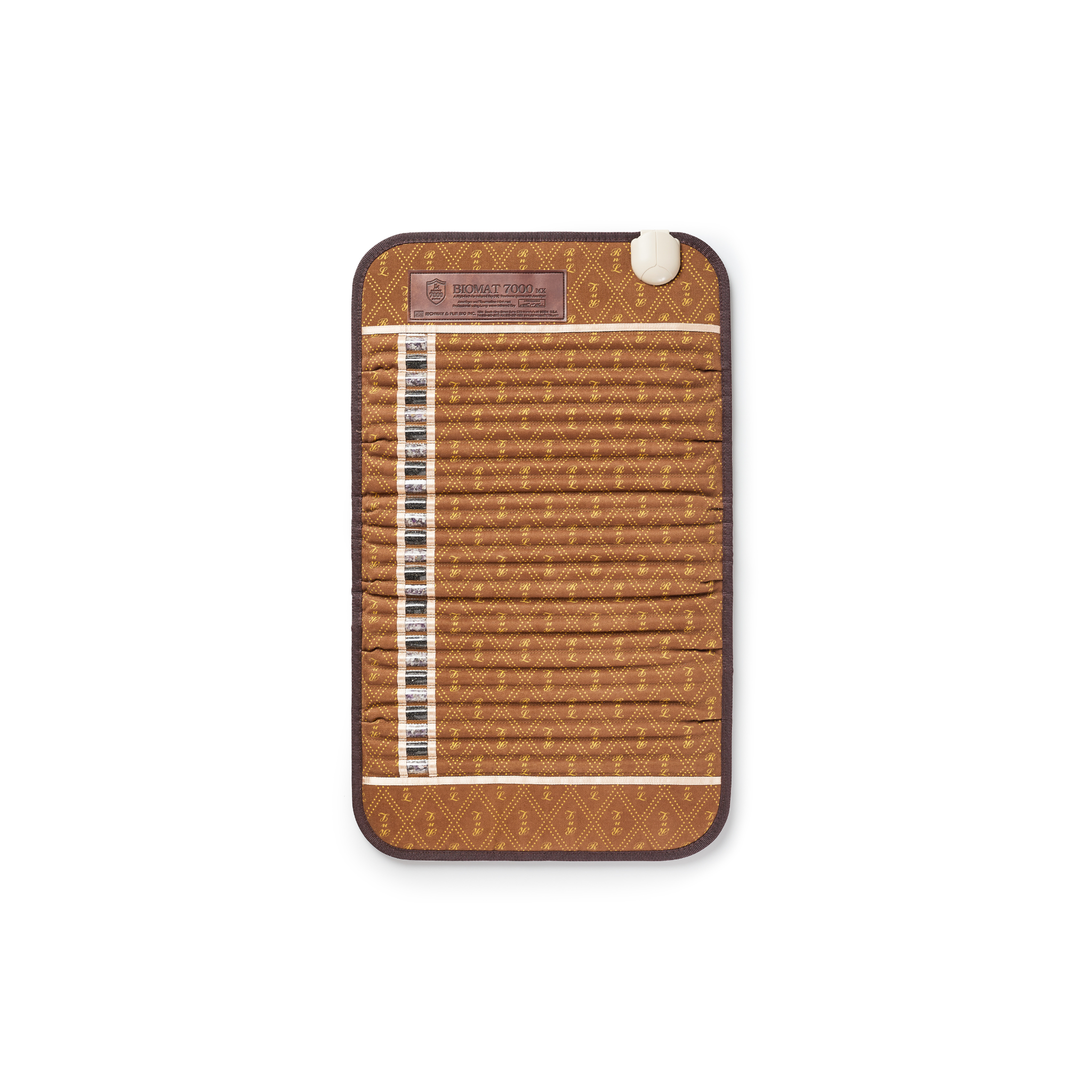
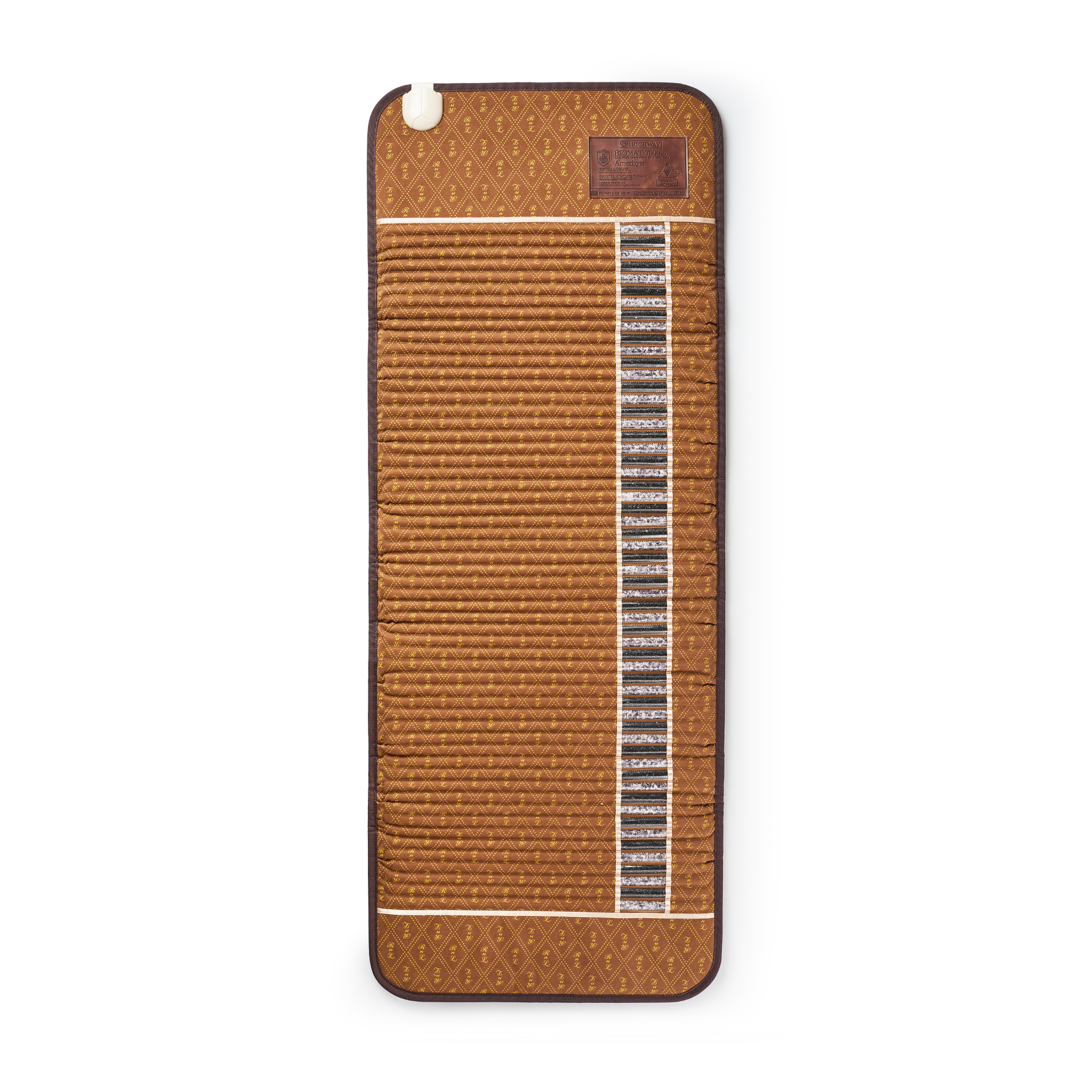
By contrast, the BioMat® uses Far Infrared wavelengths in the 5.6–15 micron range, conducted through natural Amethyst and black Tourmaline crystals. Those wavelengths are absorbed by the body's water molecules, generating heat from within the tissue rather than from the surface, potentially reaching 6–8 cm below the skin into muscle, joint structures, and connective tissue. For a full breakdown, How the BioMat® Works covers the layered Amethyst, Far Infrared, and Negative Ion generation sequence in detail.
Similar Names, Unique Mechanisms
Ultimately, the surface-level similarity of both being Infrared devices used for wellness obscures a noteworthy technical distinction. That said, Near Infrared and Far Infrared are distinct wavelengths with specific penetration depths, dissimilar mechanisms of action, and different bodies of supporting research.

Best Infrared Mat Brand: Regulatory Status
This is the most objectively verifiable difference in the comparison.
FDA-Registered Clearance
The BioMat® holds FDA 510(k) Class II Medical Device clearance, a designation that required submission of clinical evidence to FDA regulatory officers before any therapeutic indication could be stated publicly. Cleared indications include temporary relief of minor muscle pain, joint pain and stiffness, muscle spasms, and minor sprains, as well as muscle relaxation and local circulation improvement where applied. Maintaining this clearance requires an ongoing annual investment in testing, documentation, and manufacturing audits.
Basic Wellness Device Without Regulatory Backing
The Hooga Red Light Therapy Blanket is sold as a standard wellness device, a classification that does not require pre-market clinical evidence to be reviewed by FDA regulatory officers and does not authorize specific therapeutic claims. This doesn't disqualify the device for general use, but it does mean the therapeutic outcomes haven't been independently reviewed through the same regulatory process. For a detailed look at what the BioMat®'s FDA status involves and why it matters for buyers with specific therapeutic goals, BioMat® Reviews: FDA Status and Clinical Research Proof covers the full regulatory picture.
Infrared Mat Comparison: Technology And Verified Output
Beyond regulatory status, the most meaningful differences between these two devices come down to how each one works.
Amethyst Mat vs. Hooga: Differing Technologies And Applications
The Hooga blanket uses 2,680 triple-chip LED beads across front and back panels, delivering red and Near Infrared light through a neoprene shell. It's designed for full-body surface exposure, which is a legitimate approach for users focused on skin health, post-workout surface recovery, or localized light therapy. That said, it does not use crystal materials and does not generate Negative Ions.
On the other hand, the BioMat® uses natural Amethyst and black Tourmaline crystals to produce Far Infrared wavelengths and Negative Ions simultaneously. Amethyst's thermal conductivity supports more even distribution of Far Infrared energy across the treatment surface, while heated Tourmaline generates approximately 3,236 Negative Ions per cubic centimeter per session through patented layers. For a breakdown of what separates a therapeutic crystal mat from standard heating devices, What Separates the Best Infrared Mat from Basic Heating Pads covers the evaluation criteria in detail.
Independent Clinical Evidence
So, why choose the Richway BioMat® over other brands? To start, the BioMat® is supported by an independent 12-week study conducted by Dr. George Grant, which documented a reduction in cortisol levels of up to 78% through daily one-hour sessions, measured using biofeedback devices and blood cortisol analysis rather than self-reported surveys (Grant, n.d.). Research also supports associations between Negative Ion exposure and mood, stress response, and air quality, though the authors note that findings are preliminary and more study is needed (Jiang et al., 2018).
Red and Near Infrared light therapy has its own body of research, primarily around skin cell regeneration and surface-level effects. The two evidence bases are largely distinct because the technologies address different tissue depths and mechanisms.

Hooga vs. BioMat®: Design and Daily Use
The Hooga blanket is a flexible neoprene shell with LED panels on the front and back. It unzips flat for targeted sessions or zips closed for wraparound coverage. Sessions typically run 10–20 minutes, and the device is designed for daily use without heat. So, this is classified as light therapy rather than thermal therapy. Plus, it's portable, requires no special setup, and stores easily.
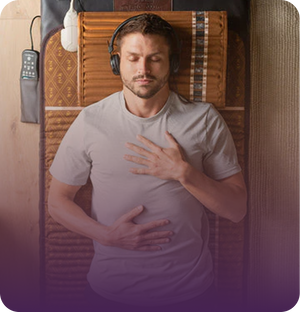
In comparison, the BioMat® generates therapeutic heat alongside Far Infrared and Negative Ions. Sessions typically run 20–60 minutes at adjustable temperature settings from 95°F to 158°F. The user-friendly controller displays temperatures in both Fahrenheit and Celsius, includes an auto step-down timer for safety, and a shutdown timer for convenience. These are all features specifically designed for daily therapeutic sessions.
That said, the two devices serve specific daily use cases. The Hooga blanket is a light-based surface therapy tool, whereas the BioMat® is a thermal and ionic therapy device with deeper tissue reach.
Which Device Is Right For You?
These two devices serve distinct purposes, and the ideal choice depends on what you're specifically looking for.
- When To Pick Hooga: If your primary interest is visible red and Near Infrared light therapy for skin health, surface-level recovery, or localized cellular effects, Hooga may be the better fit. This is especially true when you want a light-based tool without heat, in a portable, easy-to-store format.
- When To Select The BioMat®: If your priorities include Far Infrared heat reaching deeper tissue, Negative Ion generation, FDA-cleared therapeutic indications for pain and circulation, and a device backed by independent clinical research, the BioMat® is the more appropriate tool. It’s best for when you want a thermal therapy tool designed for daily long-term use with manufacturer-backed support.
- Both Together: Some users incorporate both devices into their routines, namely red and Near Infrared light for surface-level skin and cellular work, and Far Infrared crystal therapy for deeper tissue, stress response, and circulation support. Overall, they're complementary rather than competing.

Final Thoughts
The Hooga infrared mat and the BioMat® share the word "Infrared" but operate through distinct mechanisms, at specific tissue depths, with dissimilar regulatory standings and evidence bases. Understanding those distinctions makes it easier to choose the right tool, or both, based on what you're trying to accomplish.
Frequently Asked Questions About The Hooga Infrared Mat
What type of Infrared does the Hooga blanket use?
The Hooga Red Light Therapy Blanket uses visible red light (660nm) and Near Infrared (850nm) LEDs. This is distinct from Far Infrared, which operates at longer wavelengths and penetrates tissue more deeply.
Is the Hooga blanket an FDA-cleared medical device?
No. Hooga's product page states explicitly that it is not an FDA-cleared medical device. It is sold as a general wellness device.
Does the BioMat® use LED lights like the Hooga blanket?
No. The BioMat® generates Far Infrared heat through natural Amethyst and Tourmaline crystals, a fundamentally different mechanism from LED-based light therapy.
Can red light therapy and Far Infrared therapy be used together?
Yes. Many users incorporate both. They operate at different tissue depths and address different mechanisms, making them complementary rather than redundant.
Which device is better for pain relief?
The BioMat® holds FDA 510(k) Class II clearance specifically for temporary relief of minor muscle pain, joint pain and stiffness, muscle spasms, and minor sprains. The Hooga blanket is not FDA-cleared for the same therapeutic pain indications.
Which device is better for skin health?
Red and Near Infrared light therapy, the mechanism behind the Hooga blanket, has a stronger evidence base for skin-level effects, including cell regeneration and surface inflammation. Far Infrared operates at greater depth and is primarily studied for its thermal and circulatory effects.
Sources:
- Grant, G. (n.d.). Measuring stress reduction using the infrared negative ions amethyst BioMat® [Independent pilot study]. Retrieved from https://cdn.shopify.com/s/files/1/0682/2104/2983/files/BioMat.com_-_Magazine_Article-_Measuring_Stress_Reduction_Using_The_Infrared_Negative_Ions_Amethyst_Biomat_By_Dr_George_Grant.pdf
- Jiang, S. Y., Ma, A., & Ramachandran, S. (2018). Negative air ions and their effects on human health and air quality improvement. International Journal of Molecular Sciences, 19(10), 2966. https://doi.org/10.3390/ijms19102966
These statements have not been evaluated by the Food and Drug Administration. These products are not intended to diagnose, treat, cure, or prevent any disease. Specific medical advice should be obtained from a licensed health care practitioner.
Learn more about our editorial standards and medical review process.