


Key Takeaways:
- Sweat As An Elimination Pathway: Research suggests sweat may serve as a meaningful excretion route, and Far Infrared heat supports that pathway by inducing perspiration.
- Cellular Defense, Not Direct Detox: Far Infrared exposure may activate the body's own antioxidant pathways, supporting natural waste management.
- Circulation Is The Foundation: Far Infrared heat causes blood vessel dilation, improving blood flow and supporting metabolic waste removal.
"Detox" is one of the most overused and misunderstood words in wellness circles. Used loosely, it implies that a product or device flushes unspecified toxins from the body. Used precisely, it describes specific biological elimination pathways that research has studied in measurable, documented ways.
Far Infrared therapy sits in interesting territory on this question. At BioMat, we believe the evidence deserves a straight reading. There is published research looking into the relationship between Infrared heat exposure and the body's elimination and cellular repair processes. There are also a lot of claims in this space that outpace what the evidence supports.
This article covers what the research says about Infrared therapy detox and where the lines are.
Does Infrared Therapy Detox The Body? Starting With Circulation
The most direct mechanism connecting Far Infrared therapy to the body's natural elimination processes is circulation. When Far Infrared wavelengths penetrate below the skin's surface, blood vessels dilate. This is also known as vasodilation, a well-understood physiological response that improves blood flow and oxygen delivery to tissue while supporting the removal of metabolic waste from areas of physical stress (Vatansever & Hamblin, 2012).
This circulatory mechanism lines up with the BioMat®'s FDA clearance for a temporary increase of local circulation where applied. It's also the foundation for most of the broader claims made about Far Infrared and elimination, since improved circulation supports the body's own waste management systems. For a broader look at circulation and what supports it, our post on the top 10 Strategies to Improve Blood Circulation covers the landscape well.

Infrared Sweating Detox: What Sweat Research Shows
A frequently cited area of Far Infrared detox research involves sweat as an elimination pathway.
A Closer Look At The Evidence
To get a closer look, let’s go over a study published in the Archives of Environmental Contamination and Toxicology, which analyzed blood, urine, and sweat samples and found that sweat contained measurable levels of certain toxic elements. Some were absent or present at lower levels in blood and urine samples from the same individuals, suggesting that sweat may serve as a meaningful excretion route for certain compounds that other pathways don't fully capture (Genuis et al., 2011). The authors note that findings vary by individual and that sweat remains a secondary route of elimination compared with the liver and kidneys. Still, the implication is that induced sweating through Far Infrared heat may support the body's natural excretion processes in ways worth continued investigation.
What This Means In Practice
In summary, sweat-based elimination is a legitimate biological pathway that Far Infrared heat can support by encouraging perspiration through comforting warmth. The specific claims about which compounds are eliminated, and in what quantities, are where the research becomes less consistent and more individual. Anyone with concerns about specific toxic exposures should work with a healthcare provider rather than relying on any single wellness tool. For more context on the broader therapeutic mechanisms that this technology has been studied for, our blog on Far Infrared Ray Therapy Benefits covers the published literature.
Far Infrared Detoxification And Cellular Repair
Beyond circulation and sweating, one of the more scientifically interesting mechanisms associated with Far Infrared heat in the context of cellular health is the heat shock response. When tissue temperature rises during Far Infrared exposure, the body activates heat shock proteins, specialized molecules involved in cellular protection and repair that help cells manage oxidative stress and clear damaged proteins (Singh et al., 2024).
This cellular cleanup mechanism is distinct from sweat-based elimination but relevant to the broader "detox" conversation. To be specific, it operates at the intracellular level, supporting the body's own quality-control processes rather than flushing substances through elimination pathways. For a deeper look, Heat Shock Proteins and Cellular Health covers the mechanism in detail.

Infrared Heat And Toxins: The Metabolism Connection
One of the more substantiated mechanisms connecting Far Infrared therapy to cellular cleanup is its studied effect on oxidative stress. Published research indicates that the body's own antioxidant defenses appear to increase in response to Far Infrared exposure (Higashi et al., 2026). The practical implication is that Far Infrared heat may support the cellular environment in which the body manages metabolic waste and oxidative burden, rather than "detoxing" in any direct sense. For a broader look at how Far Infrared affects metabolic processes, our article on Far Infrared Rays and Metabolism is worth a look. And for a comprehensive overview of how Far Infrared therapy works at the tissue and cellular level, Far Infrared Therapy Benefits Explained covers the full mechanism.
What This Means For BioMat® Users
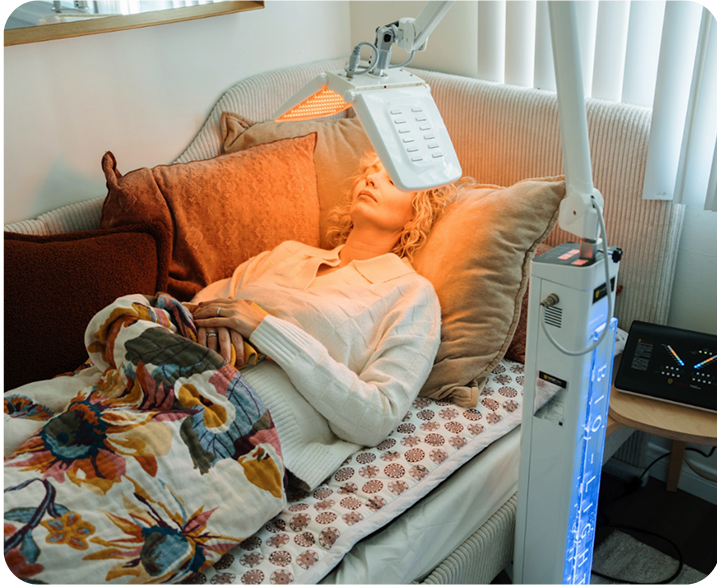
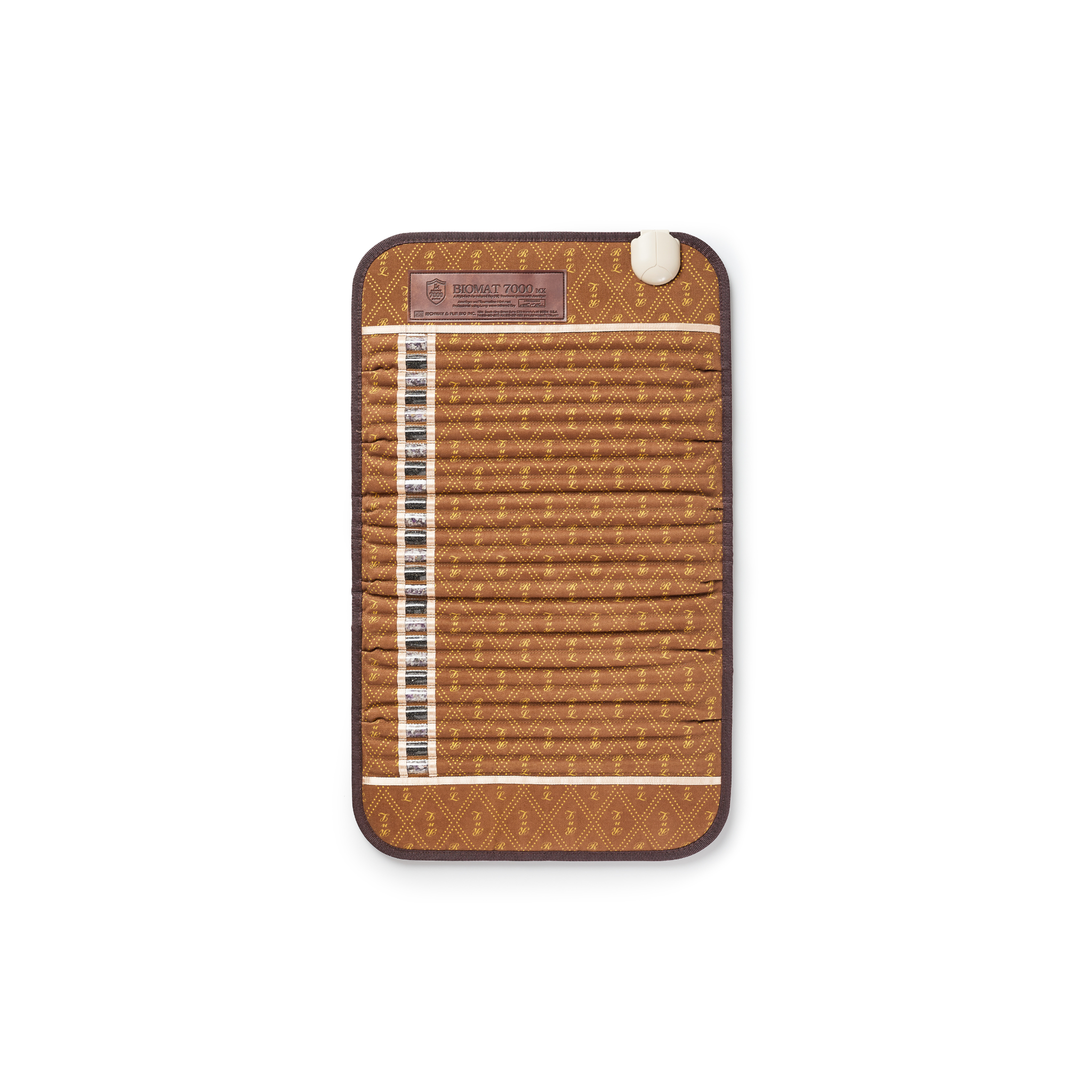
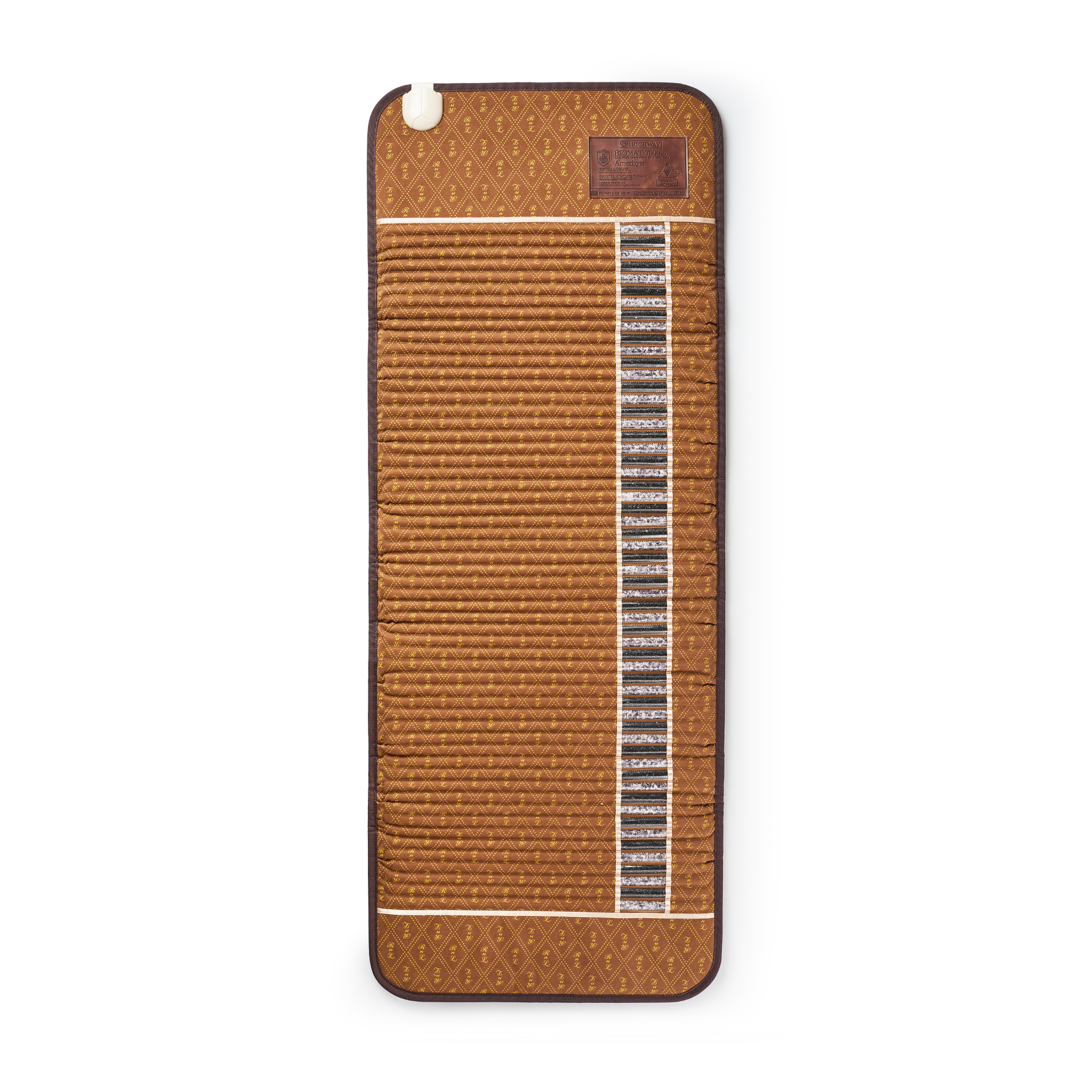
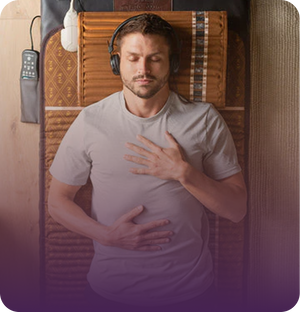
The BioMat® delivers Far Infrared heat through natural Amethyst and Tourmaline crystals in an FDA 510(k) Class II registered Medical Device. It is cleared for temporary relief of minor pain, muscle relaxation, and improved local circulation, the mechanisms most directly relevant to circulation-based elimination support.
The broader Far Infrared research on sweat-based elimination and cellular repair is an informative context for understanding why people use Far Infrared therapy as part of a comprehensive wellness routine. But those studies were not conducted using the BioMat® specifically, and users should not expect results identical to those reported in those studies. What regular BioMat® use supports is improved local circulation, which is the foundation of the body's own natural elimination and recovery processes.

Final Thoughts
The relationship between Far Infrared therapy and the body's elimination processes is an area of scientific interest. The research is developing, the mechanisms are physiologically plausible, and the honest answer is that Far Infrared heat may support several of the body's processes involved in elimination and cellular cleanup through circulation, sweating, and heat shock protein activation.
What it isn't is a magic bullet. Ultimately, Far Infrared therapy works best as part of a broader wellness practice, not as a standalone detox solution.
Frequently Asked Questions About Infrared Therapy Detox
How long should a Far Infrared session last to support detoxification through sweat?
Sessions at the orange setting for 20 to 40 minutes are typically sufficient to produce meaningful thermally induced perspiration. Always remember to hydrate before and after.
Is Infrared detox safe for people with kidney or liver conditions?
Anyone with liver or kidney disease should consult their physician before beginning Far Infrared sessions. These organs are central to elimination and should not be stressed without medical guidance.
How often should Far Infrared sessions be used for cumulative detox support?
Daily use is the standard protocol for cumulative benefits. Single sessions provide acute thermal and circulatory effects. Consistent daily use builds progressive physiological adaptation.
Does Far Infrared detoxification require high temperature settings?
Meaningful perspiration typically requires green settings or above (113°F or higher). However, lower settings still provide a mild boost in circulation without producing significant sweat.
Can Far Infrared therapy support detox after chemical or environmental exposure?
There is no peer-reviewed evidence that Far Infrared sessions treat acute toxic exposure. For environmental or chemical exposure concerns, consult a medical provider first.
Does drinking water before a session affect detox outcomes?
Yes. Adequate hydration before sessions supports sweat volume and helps the kidneys smoothly process what the circulatory system delivers during and after Far Infrared stimulation.
Sources:
- Vatansever, F., & Hamblin, M. R. (2012). Far infrared radiation (FIR): Its biological effects and medical applications. Photonics & Lasers in Medicine, 4, 255–266. https://doi.org/10.1515/plm-2012-0034
- Genuis, S. J., Birkholz, D., Rodushkin, I., & Beesoon, S. (2011). Blood, urine, and sweat (BUS) study: Monitoring and elimination of bioaccumulated toxic elements. Archives of Environmental Contamination and Toxicology, 61(2), 344–357. https://doi.org/10.1007/s00244-010-9611-5
- Singh, M. K., Shin, Y., Ju, S., Han, S., Choe, W., Yoon, K. S., Kim, S. S., & Kang, I. (2024). Heat Shock Response and Heat Shock Proteins: Current Understanding and Future Opportunities in Human Diseases. International journal of molecular sciences, 25(8), 4209. https://doi.org/10.3390/ijms25084209
- Higashi, Y., Mohamad Yusoff, F., & Lin, C. C. (2026). Far-Infrared Therapy: Mechanisms of Action. Circulation reports, 8(8), 1211–1219. https://doi.org/10.1253/circrep.CR-26-0147
These statements have not been evaluated by the Food and Drug Administration. These products are not intended to diagnose, treat, cure, or prevent any disease. Specific medical advice should be obtained from a licensed health care practitioner.
Learn more about our editorial standards and medical review process.