


|
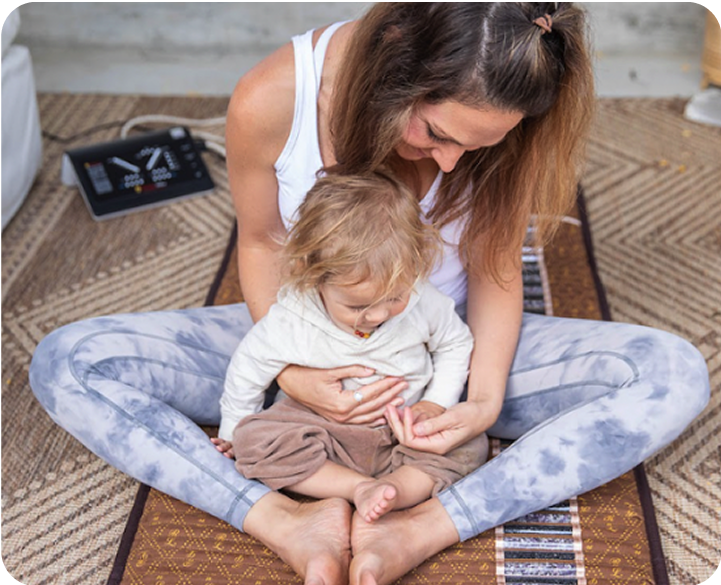
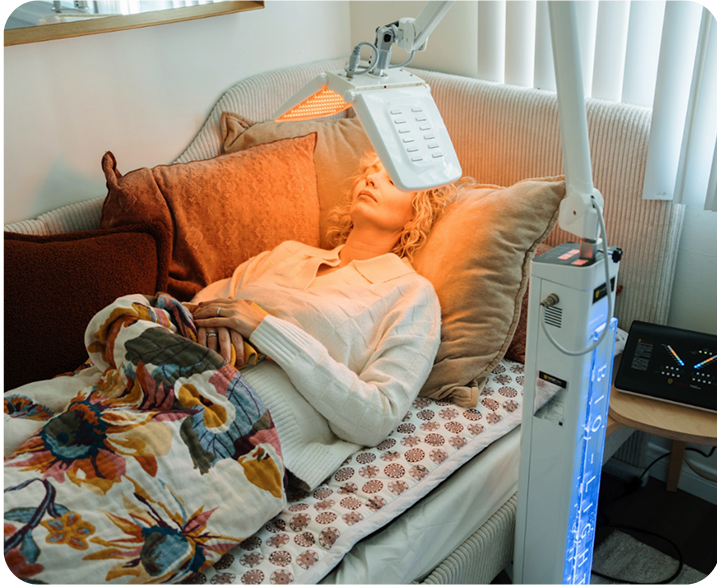
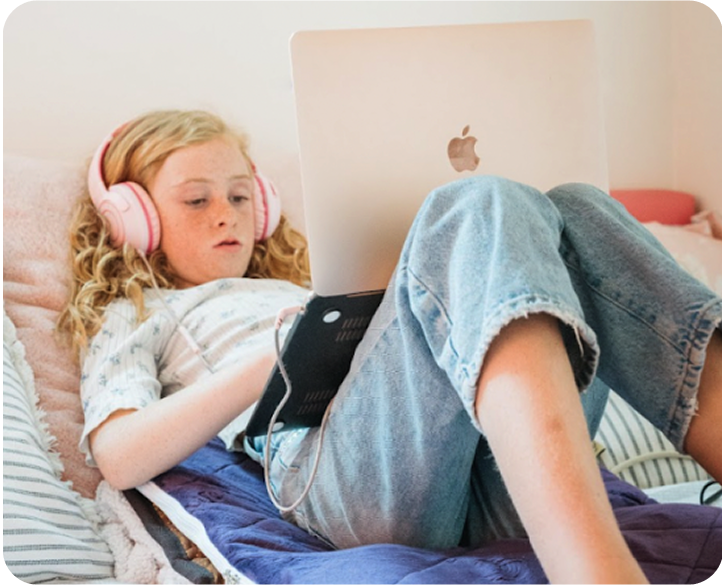
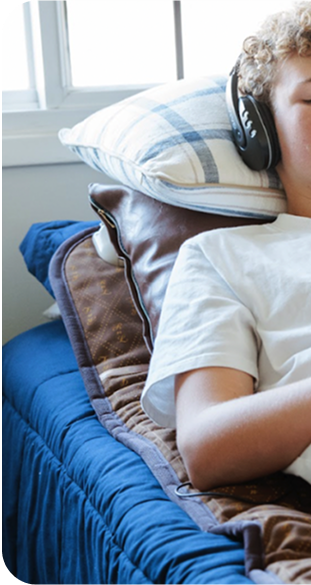
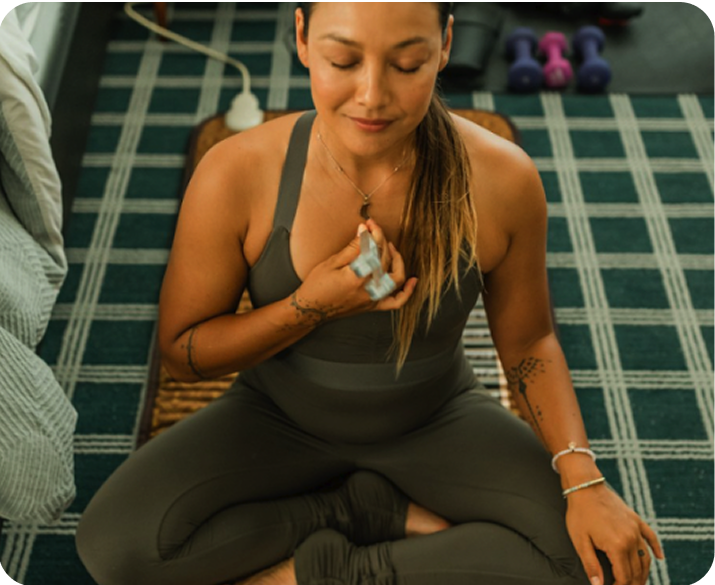
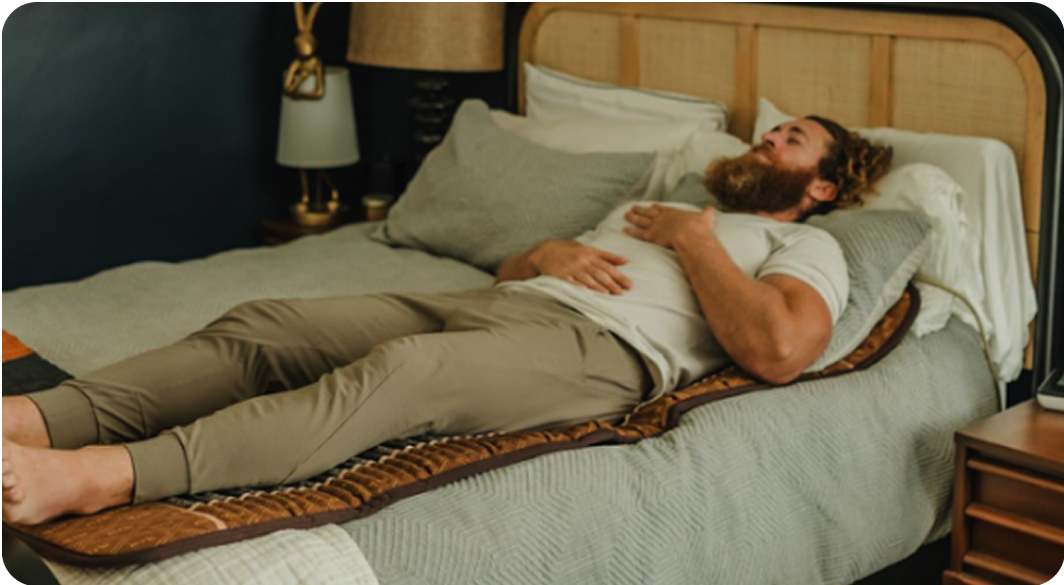
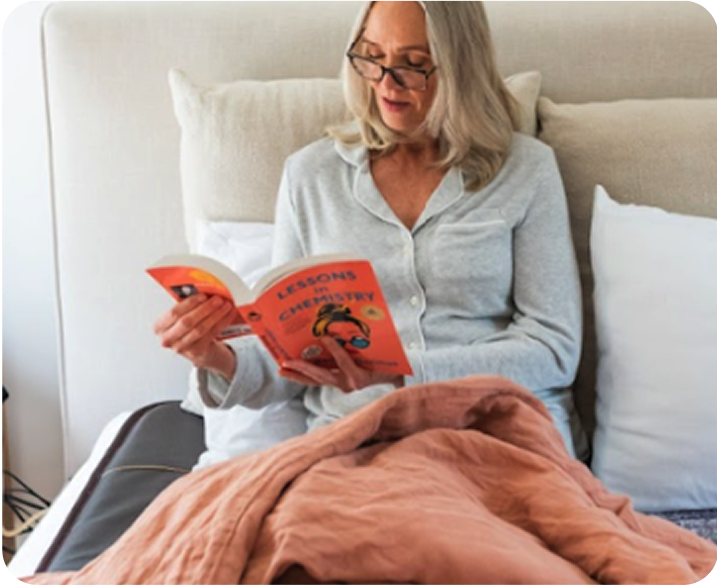
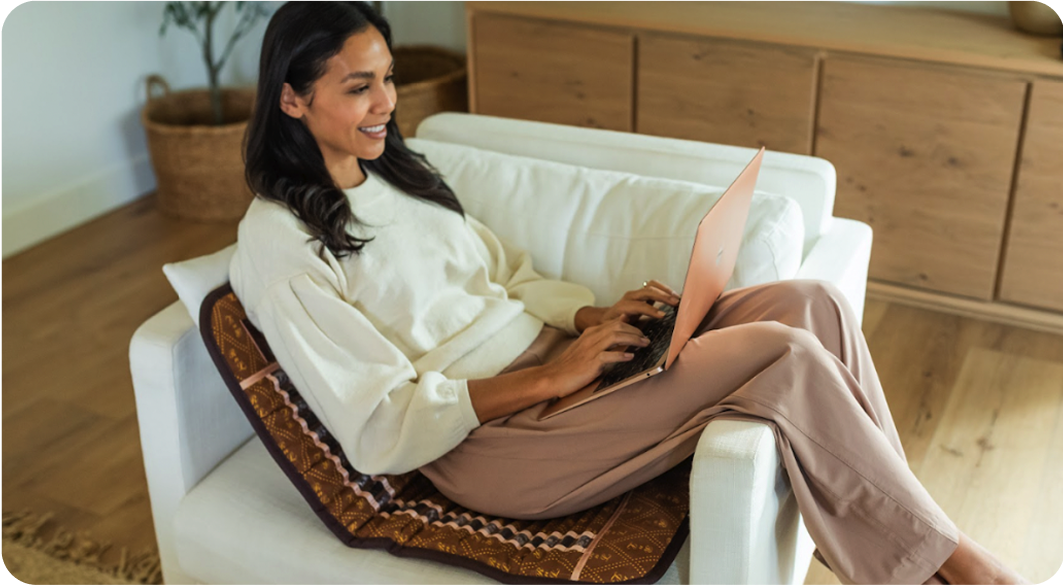
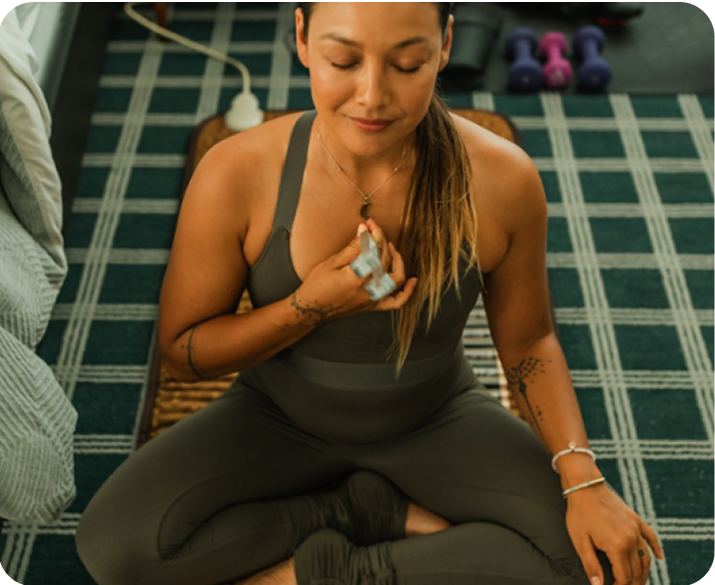
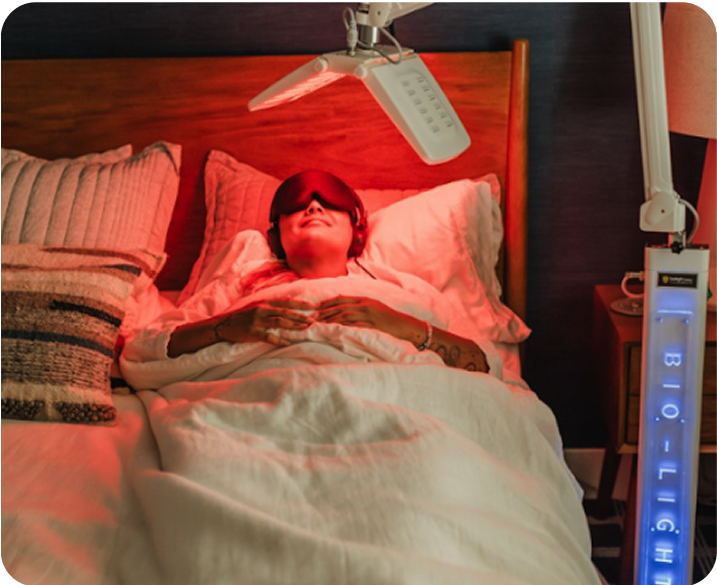
Definition: The BioMat® is not a medical treatment for autism spectrum disorder. It is a sensory calming and warming support tool that many families of autistic children and adults incorporate into broader sensory routines. The BioMat® delivers Far Infrared warmth, Negative Ions, and Amethyst crystal contact that many autistic individuals find soothing. Parents describe it as providing physiological calming that works alongside behavioral and occupational therapy rather than replacing it. The Science Behind It: Autistic nervous systems often exhibit differences in autonomic regulation, including difficulty transitioning from an alert state to rest. Far Infrared warmth penetrates 6 to 8 centimeters, triggering vasodilation that supports this shift by promoting blood flow. Meanwhile, Negative Ions from heated black Tourmaline crystals add a separate calming layer, addressing the nervous system from two distinct angles at the same time. Real-Life Daily Use Examples:
Interesting Fact: The vagus nerve runs from the brain all the way down to the gut, which is part of why stress, sensory overload, and digestive discomfort often show up together in autistic individuals. Far Infrared heat activates the same nerve pathway that helps the body shift into rest mode, which is one reason a warm session can feel settling rather than just physically comfortable. |
Key Takeaways:
- The Body Needs A Way To Wind Down: When the nervous system is stuck in alert mode, telling it to relax doesn't work. Far Infrared warmth gives it a physical pathway to shift into a calmer state, one that doesn't require any effort or engagement from the person using it.
- Negative Ions Support Mood And Calm: Research suggests that Negative Ion exposure may help reduce stress markers and support a more balanced mood, which is particularly relevant for autistic individuals who often experience differences in the brain chemistry connected to sensory processing and sleep.
- Two Pathways Are Better Than One: Behavioral and occupational approaches address sensory regulation from the outside in. Far Infrared and Negative Ion therapy address it from the inside out, which is why many families find the combination more effective than either approach alone.
Sensory regulation is one of the most consistent daily challenges for autistic children and adults, and it's not a challenge that willpower or behavioral strategies alone can fully address. The nervous system has its own pace, and when it's stuck in an alert state, no amount of cognitive effort reliably brings it down. The BioMat® for autism is a physiological calming tool that many families incorporate into sensory support routines because Far Infrared warmth and Negative Ions act at the level of the nervous system itself.
For over 25 years, the BioMat® has been used for stress support as an FDA 510(k) Class II registered Medical Device, trusted by more than 500,000 users and health professionals worldwide. This guide covers the science behind why physiological tools matter for autistic nervous systems, how each BioMat® mechanism supports calming, and how families integrate it into daily routines.

Sensory Regulation Therapy: Why Autism Needs Special Tools
Behavioral and occupational therapies are genuinely valuable, and they remain the foundation of support for most autistic individuals. But sensory dysregulation in autism also has a physiological dimension that purely behavioral approaches don't directly address.
How Autistic Nervous Systems Experience Sensory Input
For many autistic individuals, the nervous system runs in a heightened state more often and for longer than it does for neurotypical people. Sensory input that others might filter out automatically, like a humming light, a scratchy tag, or background conversation, can activate and sustain that heightened state well past the original trigger. Approaches that work purely at the thinking or behavioral level can only do so much when the body itself is still in alert mode. Is There a Link Between Autism and Pollution covers how environmental factors like air quality have been connected to autism risk and nervous system stress.
Why Warmth And Physical Input Support Regulation
Many autistic individuals naturally gravitate toward weighted blankets, warm baths, and other forms of deep physical input, and there's a real reason that works. Warmth and pressure both signal the body to shift out of alert mode and into a calmer, more settled state. It's a bodily response, not a mental one, which is why it can reach places that verbal reassurance or behavioral strategies sometimes can't. The BioMat® works through this same principle, but with heat that reaches deeper into the body than a warm bath or surface heating pad. That depth is part of what makes the settling effect more sustained. BioMats for Personal Usage covers how families integrate the BioMat® into home support routines.
Infrared Therapy For Sensory Processing: How Far Infrared Supports Calming
Infrared therapy for sensory processing works through physiological pathways directly relevant to the autonomic differences common in autism.
Far Infrared As Thermal Deep Pressure
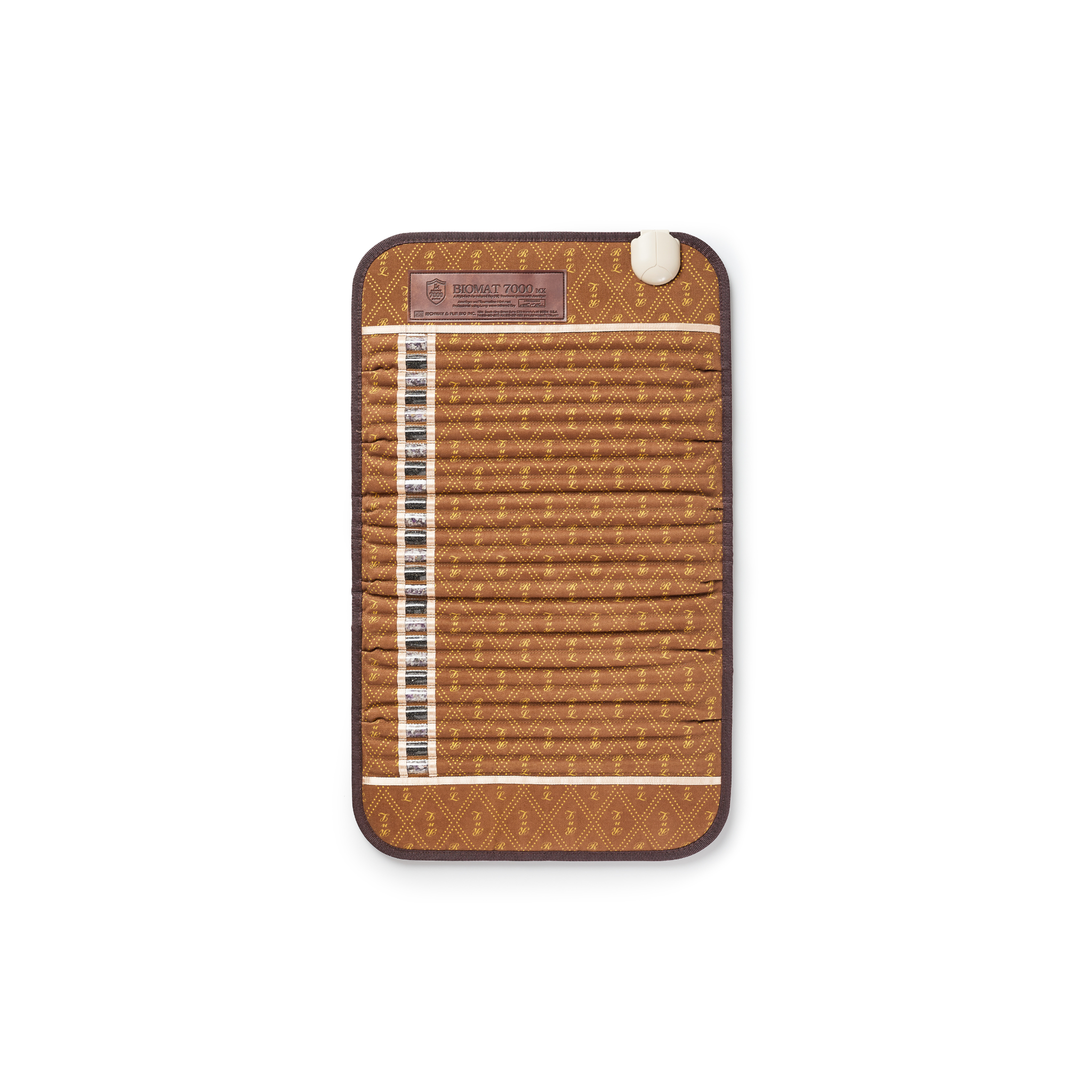
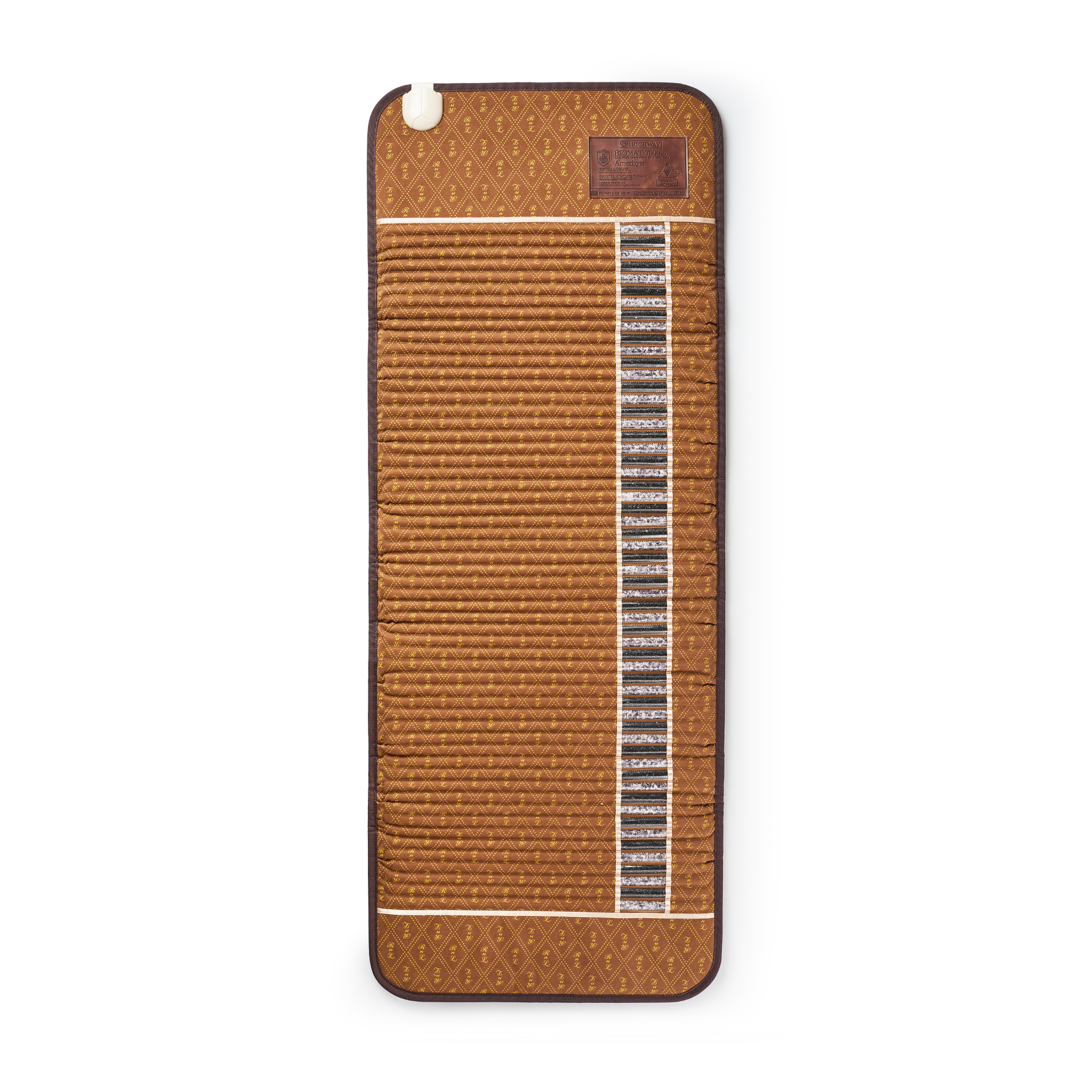
For autistic individuals who find physical deep pressure uncomfortable or difficult to tolerate, Far Infrared offers a way to get a similar settling effect through warmth rather than touch. The heat penetrates several centimeters below the skin, reaching the muscles and tissue where tension is typically held, and helps the body shift into a calmer state without requiring any physical contact beyond lying on the mat. The BioMat® delivers this through natural Amethyst crystal channels, which distribute Far Infrared evenly across the surface, paired with black Tourmaline crystals that generate Negative Ions throughout the session.
The Negative Ions add a separate calming layer, which is part of why many users find the combination more settling than warmth alone. For those who are sensitive to heat, the Blue setting at 95°F delivers the full Negative Ion output with minimal added warmth, and there's also a No Heat / Negative Ion only setting for anyone who wants to skip the heat entirely. How the BioMat Works: Infrared, Amethyst and Ions covers the technology in more detail.
Supporting Recovery After Sensory Overload
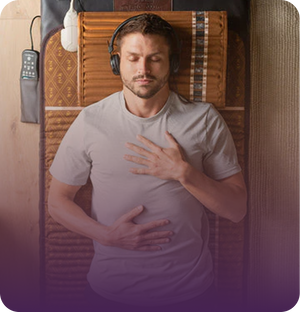
When sensory overload happens repeatedly, it takes a toll on the body beyond just the moment itself. Far Infrared may support the body's recovery process between those events through the activation of heat shock proteins, molecules the body produces in response to heat that help protect and repair cells under stress. What makes this relevant for families is that it happens passively. The child doesn't need to engage, process, or communicate for a session to be useful. After a difficult event, when verbal or behavioral support isn't yet available, a quiet BioMat® session at a low setting can simply give the nervous system time and the physical conditions it needs to settle.

Negative Ion Therapy For Calming: What The Research Suggests
Negative Ions add something to a BioMat® session that Far Infrared heat alone doesn't cover, and for autistic individuals, that additional layer may be particularly meaningful.
Negative Ions And Mood Support
Some research has found a connection between Negative Ion exposure and mood, with findings pointing toward reduced stress markers and a calmer overall state (Nakane et al., 2002; Perez et al., 2013). Many autistic individuals experience differences in serotonin, the brain chemical involved in mood, sleep, and how the body processes sensory input, and Negative Ions appear to interact with that system in ways researchers are still working to fully understand (Muller et al., 2016).
No studies have tested Negative Ion therapy directly in autistic populations, so the evidence here is preliminary. But the direction of what's been found is relevant to what many families are looking for: something that supports a more balanced state without medication or active effort from the person using it.
How The BioMat® Delivers Negative Ions
Most home ionizers work by releasing Negative Ions into the air around you, where the concentration drops off quickly with distance. The BioMat® works differently. Its black Tourmaline crystals generate approximately 3,236 Negative Ions per cubic centimeter directly at the body's surface, continuously throughout the session. That means the exposure is sustained and concentrated rather than ambient, which is part of what distinguishes it from a standard air ionizer sitting across the room.
Environmental Stress And Negative Ion Support
Research has connected environmental air pollution to increased autism risk, with oxidative stress as one of the proposed pathways. Negative Ions may help the body manage that kind of stress. They work by neutralizing free radicals, which are unstable molecules that build up under environmental and physiological pressure and can damage healthy cells over time (Jiang et al., 2018).
For families thinking about ongoing environmental exposure as part of a broader wellness picture, regular Negative Ion sessions are one way to support the body's natural defenses. To be clear, this is a description of what Negative Ions do in the body. Our Autism Awareness Exclusive Offer covers how BioMat® is making these tools more accessible for the autism community through a $100 discount.

Autism Sensory Tools: Practical Integration Into Daily Routines
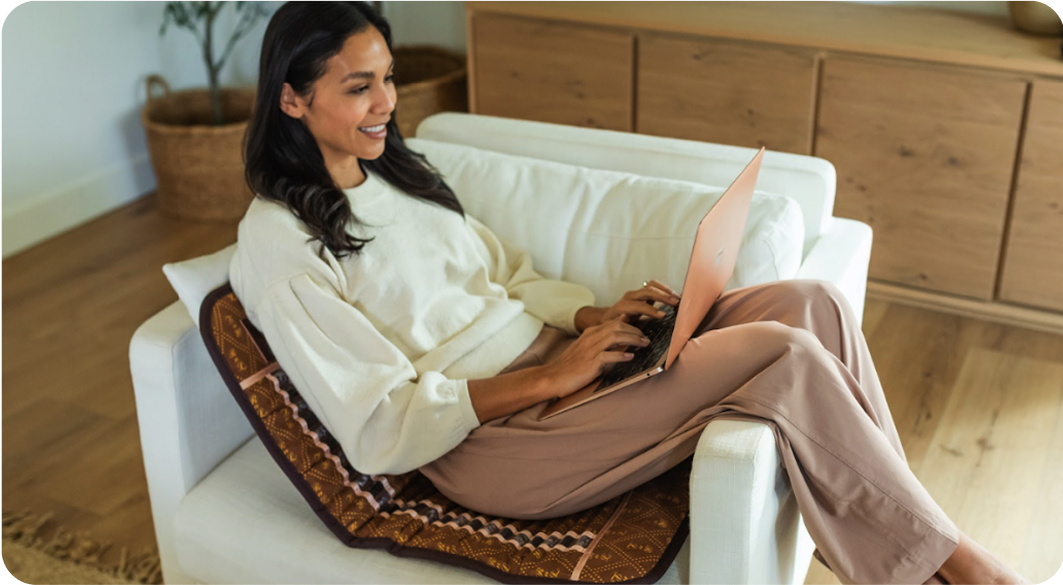
The BioMat® sits alongside weighted blankets, sensory swings, and compression vests as one of the more versatile autism sensory tools families use. It's adjustable by temperature and session duration, requires no active participation from the user, and can be used in most environments where the child or adult already spends time.
- Pre-Transition Calming: A 15 to 20-minute session at the Blue or Green setting before a difficult transition gives the nervous system a chance to calm down before the demand hits, rather than trying to recover afterward.
- Meltdown Recovery: The Blue setting works well after sensory overload because it asks nothing of the person using it. There’s no communication, no processing, and no engagement required. It simply provides a quiet, low-stimulation warmth while the body finds its way back to baseline.
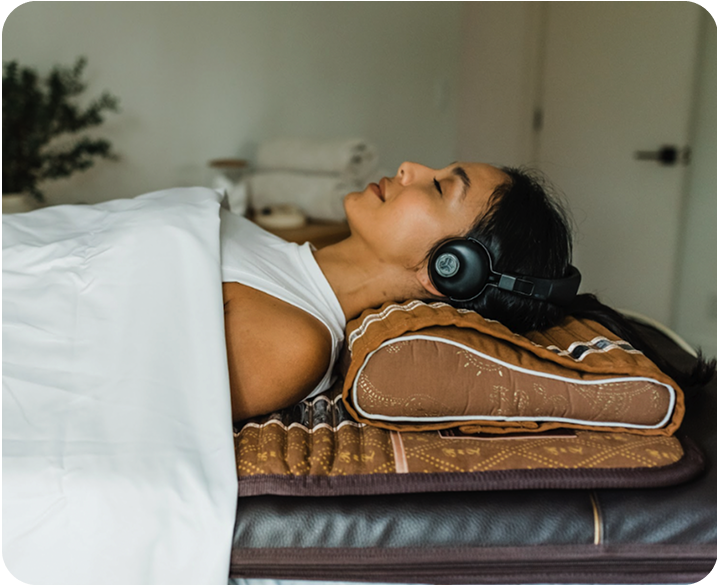
- Sleep Onset Support: A low-setting session 30 to 45 minutes before bed can help the body make the shift into rest that many autistic individuals struggle to reach on their own. In particular, the warmth helps muscles release tension while the Negative Ions support a calmer overall state.
- Sensory Diet Integration: The BioMat® can be incorporated into an occupational therapist-designed sensory diet as a form of thermal input, with temperature and session length adjusted to match the individual's sensory tolerance and daily schedule.
The BioMat® Mini is particularly well-suited for children, since it’s compact enough for chairs, beds, and car seats, and easy to move between environments throughout the day.
Frequently Asked Questions About The BioMat® For Autism
How do families use the BioMat® alongside autism support routines?
Many families incorporate the BioMat® as a sensory calming tool alongside existing occupational therapy, behavioral support, and other prescribed approaches. For personalized advice, always consult your care team before adding new tools to an existing support routine.
At what age can autistic children begin using BioMat®?
Children under 12 require adult supervision during all sessions. Start at the lowest temperature setting based on the child's comfort and sensory tolerance, and introduce the mat gradually.
Does BioMat® provide the same calming effect as a weighted blanket?
They work through different pathways. Weighted blankets use mechanical pressure, while the BioMat® uses thermal and ionic input. Some families find both useful for specific situations or different children.
Is the BioMat® Mini more suitable for children than the Professional?
For most children, yes. The Mini's compact size fits chairs, beds, and car seats and integrates more easily into different environments throughout the day.
Should BioMat® use be discussed with an occupational therapist?
Yes. An occupational therapist can advise on session timing, temperature settings, and how the BioMat® might fit within an existing sensory diet plan.
Does BioMat® qualify for the autism spectrum professional discount?
Yes. Families supporting individuals on the autism spectrum receive a $100 discount with valid documentation, alongside health professionals and veterans.
Sources:
- Nakane, H., Asami, O., Yamada, Y., & Ohira, H. (2002). Effect of negative air ions on computer operation, anxiety and salivary chromogranin A-like immunoreactivity. International Journal of Psychophysiology, 46(1), 85–89. https://doi.org/10.1016/s0167-8760(02)00067-3
- Perez, V., Alexander, D. D., & Bailey, W. H. (2013). Air ions and mood outcomes: A review and meta-analysis. BMC Psychiatry, 13, 29. https://doi.org/10.1186/1471-244X-13-29
- Muller, C. L., Anacker, A. M. J., & Veenstra-VanderWeele, J. (2016). The serotonin system in autism spectrum disorder: From biomarker to animal models. Neuroscience, 321, 24–41. https://doi.org/10.1016/j.neuroscience.2015.11.010
- Jiang, S. Y., Ma, A., & Ramachandran, S. (2018). Negative air ions and their effects on human health and air quality improvement. International Journal of Molecular Sciences, 19(10), 2966. https://doi.org/10.3390/ijms19102966
These statements have not been evaluated by the Food and Drug Administration. These products are not intended to diagnose, treat, cure, or prevent any disease. Specific medical advice should be obtained from a licensed health care practitioner.
Learn more about our editorial standards and medical review process.