


How the BioMat Works: Infrared, Amethyst & Ions
The technologies underlying BioMat products aren't new. Some trace back more than a thousand years; others have been confirmed and refined by modern science and medicine. What's changed is that far infrared and negative ion technology has only recently become affordable and accessible enough for home users and independent health professionals.
Three Layers, One Treatment
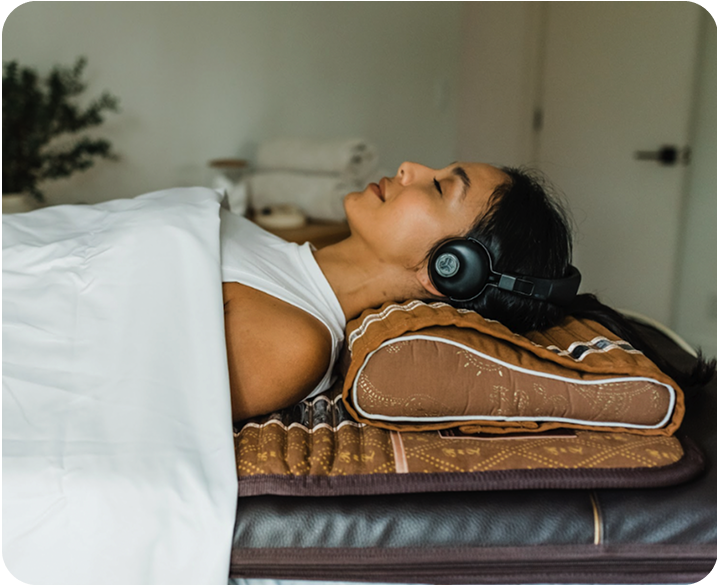
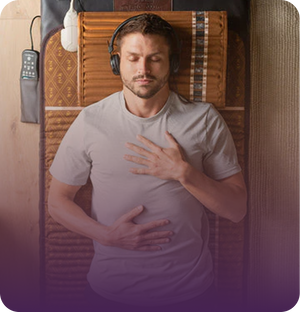
Every BioMat treatment works through a specific sequence: an amethyst outer layer converts far infrared energy into safely absorbable wavelengths, that energy travels through embedded FIR channels, and the process generates negative ions at the point of contact with skin. Each layer depends on the one before it — which is why BioMat's combination of amethyst, far infrared, and negative ion technology functions as a single system rather than three separate features.
Layer 1: Amethyst and Its Piezoelectric Properties
Amethyst has been valued for thousands of years — the ancient Greeks believed it protected against intoxication (the word "amethystos" means "not intoxicated" in Greek), Leonardo da Vinci associated it with clarity of thought, and Buddhist traditions have long used it to support meditation and calm.
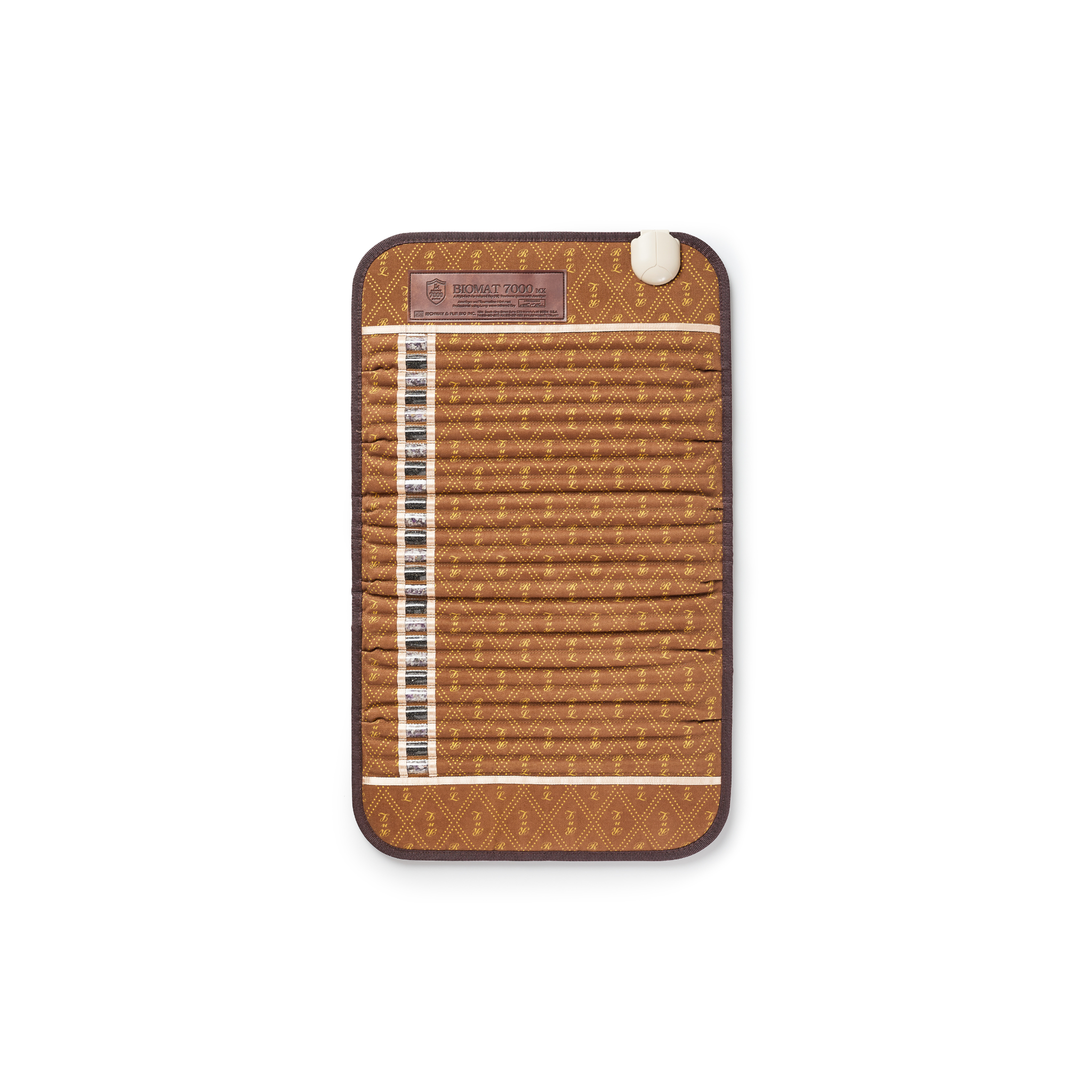
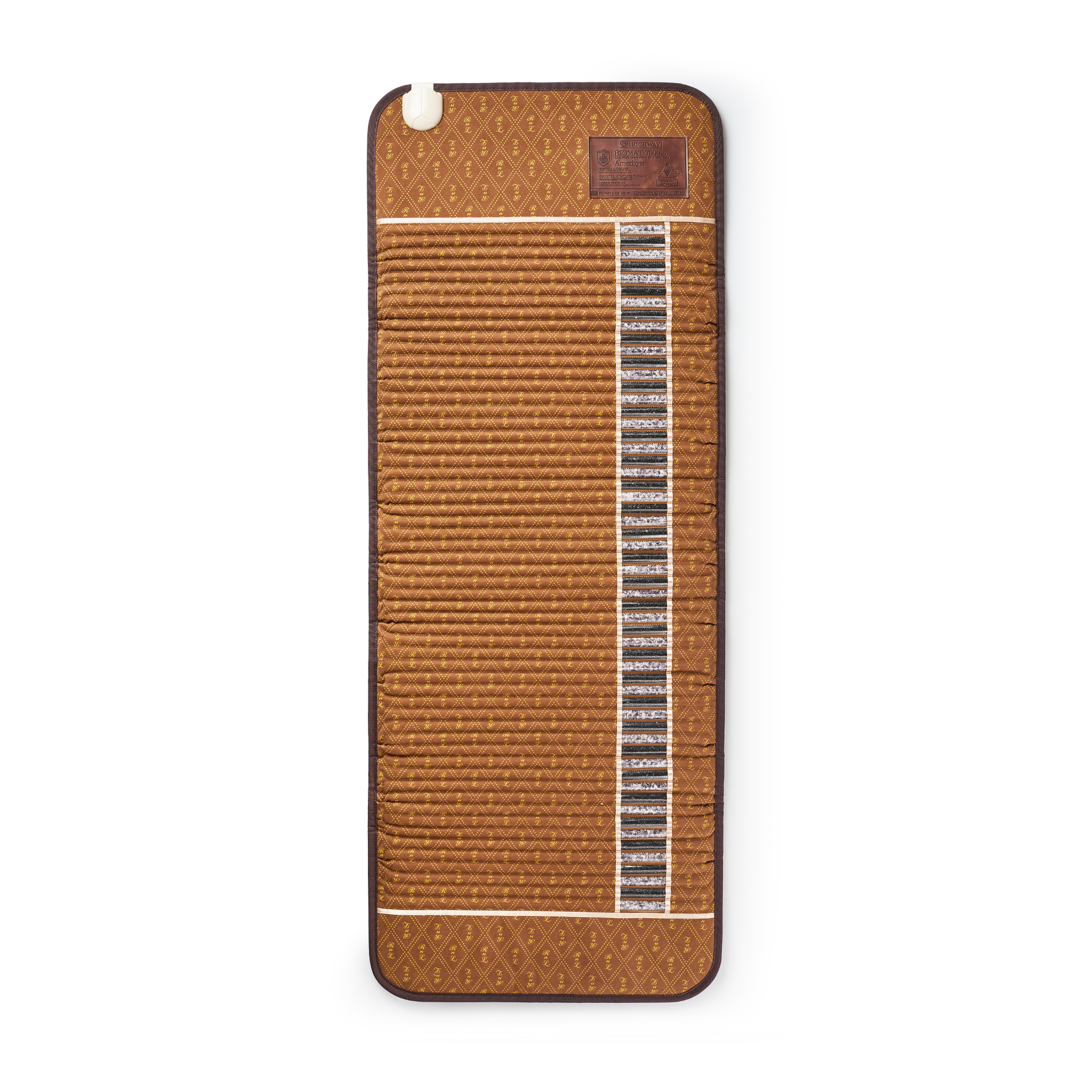
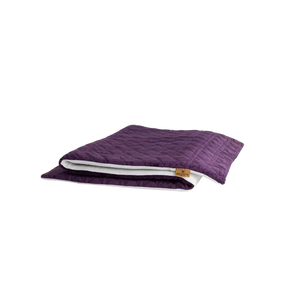
What modern science adds to that history is an explanation: amethyst has piezoelectric properties, meaning it can hold both a negative and positive charge at once. This isn't decorative — it's functional. The outermost layer of every BioMat is made of channels of pure amethyst, and far infrared rays must pass through this layer before reaching the body. The amethyst's superconducting properties convert those rays into longer wavelengths capable of penetrating tissue safely and deeply.
Layer 2: Far Infrared Spectrum Therapy
Far infrared light occupies the 4–14 micron wavelength range of the light spectrum — well outside what's visible to the human eye, but well documented for its effects on the body. NASA conducted some of the earliest research into this part of the spectrum decades ago, and far infrared has since been studied for applications ranging from circulation support to muscle relaxation.
Once converted by the amethyst layer, far infrared energy from the BioMat penetrates approximately 4–6 inches into body tissue — reaching muscle, joints, and soft tissue rather than warming only the surface of the skin.
Layer 3: Ion Channels and Negative Ion Generation
The cellular science behind BioMat treatment dates back to a discovery by Dr. Erwin Neher and Dr. Bert Sakmann, who identified ion channels: structures in cell membranes that act like pores, allowing external stimuli into the cell and enabling cells to communicate with one another. Their work reshaped the field of cell biology and earned them the Nobel Prize in Physiology or Medicine in 1991.
BioMat treatment engages this cellular process through negative ion generation. As far infrared energy passes through the amethyst layer, it produces negative ions at the point of skin contact — the mechanism through which the BioMat's effects are delivered at a cellular level, rather than only at the surface.
Safety and Certification
BioMat products are FDA 510(k) cleared as a medical device for temporary relief of minor muscle and joint pain, muscle spasm, minor sprains and strains, and to temporarily increase local blood circulation. Every BioMat is third-party tested and covered by a 3-Year Limited Warranty with a Lifetime Trade-In option.
| BioMat Professional | BioMat Mini | Temperature Settings Guide |
Ready to experience the technology for yourself?
Shop BioMat Products