


|
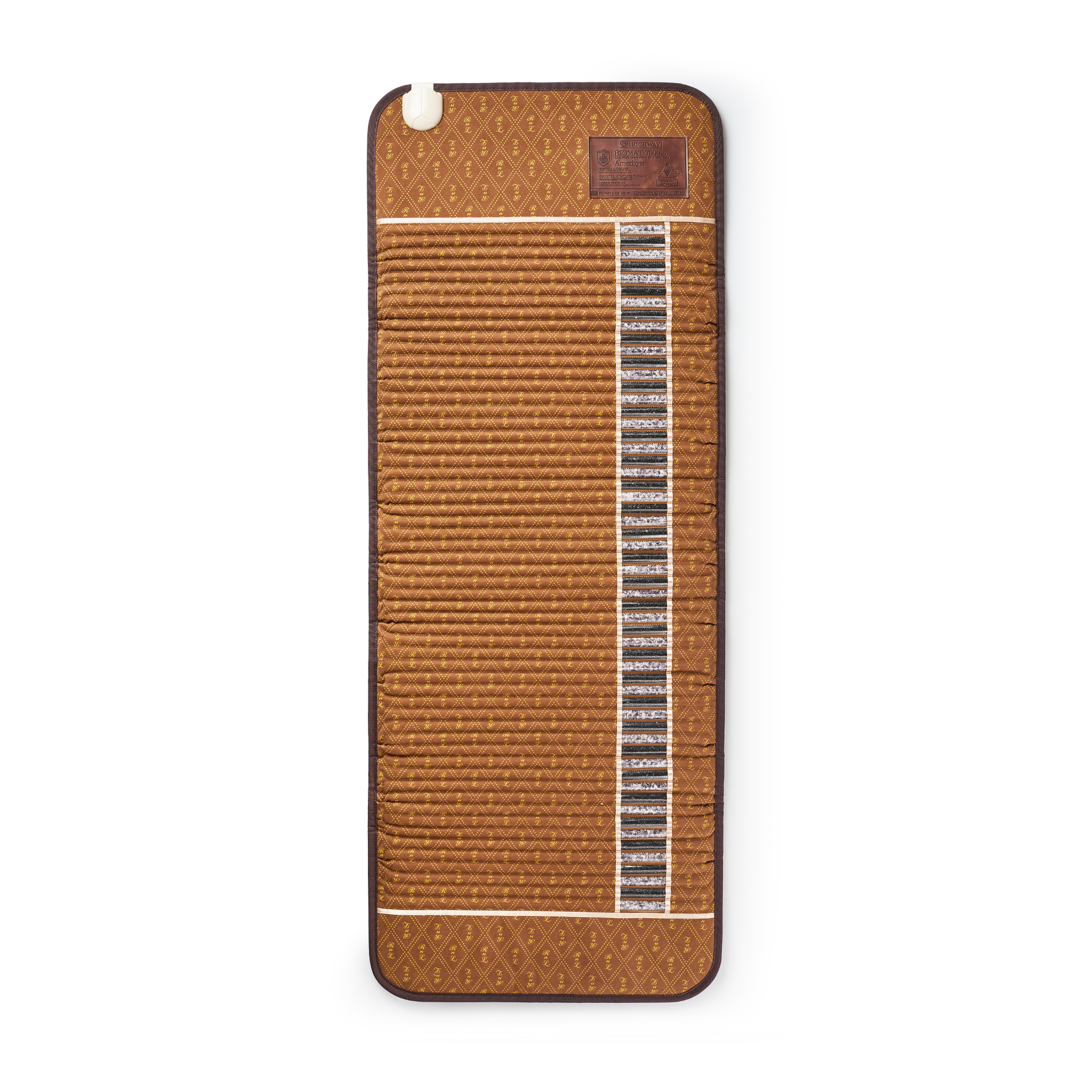
Definition: The BioMat® supports post-workout recovery through three mechanisms athletes need after training. First, it uses Far Infrared heat, which helps accelerate metabolic waste clearance from fatigued muscle tissue. Then, heat shock protein activation supports repair of damaged muscle fibers at the cellular level, and Negative Ion therapy reduces the oxidative stress that high-intensity training deposits in muscle and connective tissue. In contrast, ice baths constrict blood vessels and temporarily numb pain. Far Infrared expands blood vessels to promote nutrient delivery, addressing the recovery process rather than suppressing it. The Science Behind It: Post-workout inflammation isn't the enemy. It's a signal. It tells the body where repair is needed and what to send there. Far Infrared triggers vasodilation, increasing blood flow to muscles, fascia, and connective tissue. This elevated circulation accelerates the clearance of lactic acid and inflammatory byproducts accumulating during high-intensity training, while also bringing in the oxygen and nutrients damaged tissue needs to rebuild (Wiriawan et al., 2024). Cold therapy takes the opposite approach, slowing everything down, including the repair process. Real-Life Daily Use Examples:
Interesting Fact: A single Far Infrared session keeps blood flow enhanced for up to 24 to 48 hours through sustained vasodilation. Recovery benefits like oxygen delivery, nutrient transport, and waste clearance may continue well into the following day, even after the session has ended. |
Key Takeaways:
- Vasodilation Beats Constriction: Far Infrared increases blood flow to muscle, accelerating lactic acid clearance. Ice baths constrict blood vessels, slowing the same process.
- Heat Shock Proteins Support Cellular Repair: Far Infrared activates heat shock proteins involved in muscle fiber repair, with effects that may persist for up to 48 hours after a session.
- Oxidative Stress Requires More Than Cold: Black Tourmaline-generated Negative Ions may help neutralize free radicals produced by high-intensity training, a recovery dimension that ice baths don't address.
Ice baths feel effective. The shock of cold creates immediate relief, and that sensation is hard to argue with. But the science behind post-workout recovery tells a more complicated story, one where suppressing inflammation and constricting blood flow may slow the repair process rather than accelerate it. The BioMat® for recovery approaches relief from a different direction entirely, using Far Infrared heat, Negative Ion therapy, and Amethyst and Tourmaline crystal conductivity to work with the body's repair signals rather than against them.
The BioMat® has been used for recovery support for over 25 years as an FDA 510(k) Class II registered Medical Device, trusted by 500,000+ users and health professionals worldwide. This resource covers the science, explains why Far Infrared outperforms cold therapy through several key mechanisms, and outlines practical session protocols for various athletes and training schedules.

Why Ice Baths Fall Short For Post-Workout Recovery
Cold therapy has a loyal following in athletic culture, but the physiological reality of a cold shock to your system is more nuanced than the short-term sensation suggests.
What Ice Baths Actually Do
Ice baths help reduce inflammation by constricting blood vessels, which lessens blood flow and minimizes heat loss. This vasoconstriction might help limit swelling and lessen the sensation of pain through numbing (Leonardi et al., 2025). In contrast, Far Infrared therapy for recovery takes the opposite approach, working with the inflammatory signal rather than suppressing it. Heat dilates your blood vessels, increasing circulation, oxygen delivery, and endorphin release (Leonardi et al., 2025). Both earn their place among athletes, and alternating hot and cold might encourage circulation while helping to control discomfort. In fact, our article on the 5 Benefits of the Holistic Approach to Managing Chronic Pain explains why multi-mechanism approaches tend to yield better long-term outcomes than single-modality suppression.
Why Constriction Limits The Recovery Window
Muscle repair peaks in the 24 to 48 hours following training, and the rate depends on how efficiently the body delivers oxygen, amino acids, and growth factors to damaged fibers while clearing lactate and inflammatory metabolites. The thing is, ice bath vasoconstriction slows down this process during the period when repair mechanisms are most active. So, athletes who ice regularly may experience faster short-term relief from soreness but slower actual tissue repair over training cycles.
Infrared Mat For Recovery: How Far Infrared Works With The Body
An Infrared mat for recovery supports every phase of post-workout tissue repair simultaneously, not by numbing the signal, but by improving the conditions in which repair happens. For more details, How the BioMat Works: Infrared, Amethyst and Ions covers the full mechanism behind how Far Infrared wavelengths, Amethyst and Tourmaline crystal conductivity, and Negative Ion generation work together in every session.
Vasodilation And Circulation
Far Infrared triggers vasodilation, expanding blood vessels and increasing blood flow to muscles, fascia, and connective tissue. This elevated circulation accelerates the clearance of lactate and hydrogen ions that accumulate during high-intensity training and directly contribute to soreness and stiffness. The vasodilatory response persists for 24 to 48 hours after a session, meaning recovery benefits continue to deliver oxygen and nutrients to repairing muscle tissue well into the following day.
Heat Shock Protein Activation
Far Infrared therapy for muscle recovery includes one of the more scientifically interesting cellular mechanisms: the heat shock protein response. When tissue temperature rises during Far Infrared exposure, the body activates heat shock proteins, specialized molecules involved in refolding damaged proteins in muscle fibers, protecting cell membranes from oxidative damage, and supporting mitochondrial energy production (Hu et al., 2022). Research associates these proteins with cellular stress management, and their activation is one proposed mechanism behind the cumulative recovery benefits that Far Infrared users report over time.
Deep Penetration For Connective Tissue
At a depth of 6 to 8 centimeters, Far Infrared reaches tendons, ligaments, joint capsules, and deep fascia that ice baths treat only at the surface. For athletes managing connective tissue load from high-frequency training or recovering from injury, this depth difference is meaningful.

Infrared Therapy For Recovery: Negative Ions And Crystal Conductivity
Far Infrared therapy for muscle recovery uses heat as the primary driver, but two additional crystal-based mechanisms address dimensions of healing that heat or ice alone don't reach.
Negative Ion Oxidative Stress Reduction
High-intensity training generates reactive oxygen species that damage muscle cell membranes and mitochondria, contributing to tiredness if not addressed during recovery. Negative Ions from the BioMat®'s heated Tourmaline crystals may help neutralize these free radicals, decreasing oxidative stress in post-exercise tissue. Ice baths produce no ionic therapeutic effect, leaving this recovery dimension unaddressed. For further reading, Back Injuries Benefit from BioMat Negative Ions covers how Negative Ion therapy supports injured tissue in more detail.
Amethyst Crystal Conductivity For Full-Body Coverage
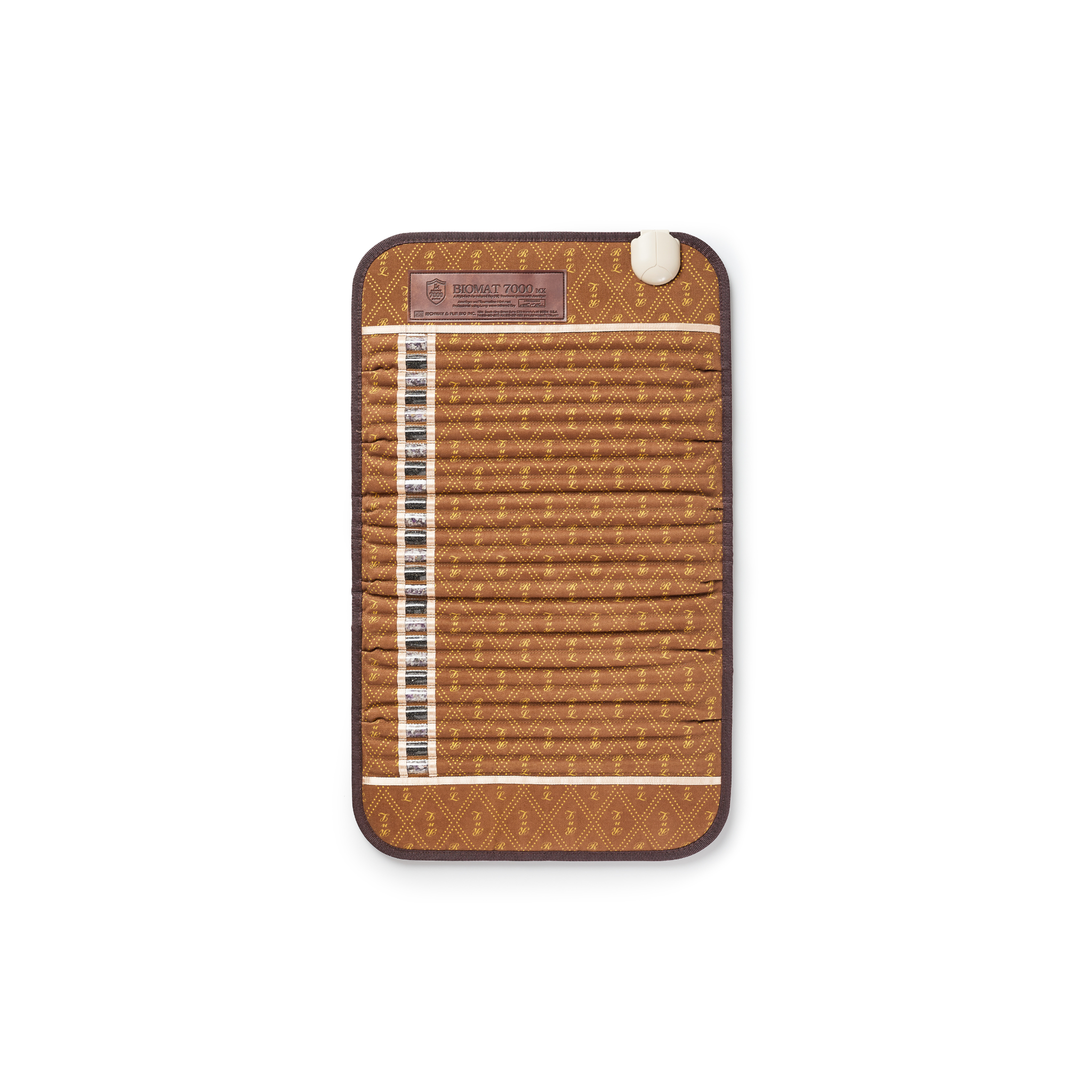
Natural Amethyst's hexagonal crystal structure evenly conducts Far Infrared across the entire mat surface, avoiding uneven exposure. For recovery purposes, this means a single session addresses the full body simultaneously rather than requiring targeted application to individual muscle groups. Extended sessions at lower surface temperatures allow athletes to receive 40 to 60 minutes of therapeutic benefit comfortably. BioMats for Personal Usage covers how users integrate daily BioMat® sessions into home recovery practices.

Post-Workout Infrared Therapy: Five Recovery Protocols
These five approaches match different athlete types and training schedules to specific BioMat® session configurations.
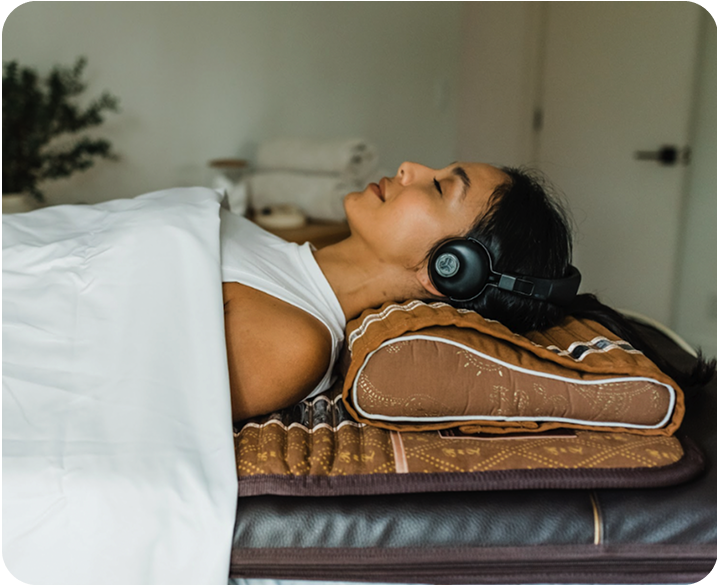
- Immediate Post-Workout: Doing a 30 to 40-minute session at the Gold setting within 30 minutes of finishing training may help maximize the recovery window when muscle tissue is most receptive to Far Infrared's vasodilatory and repair effects.
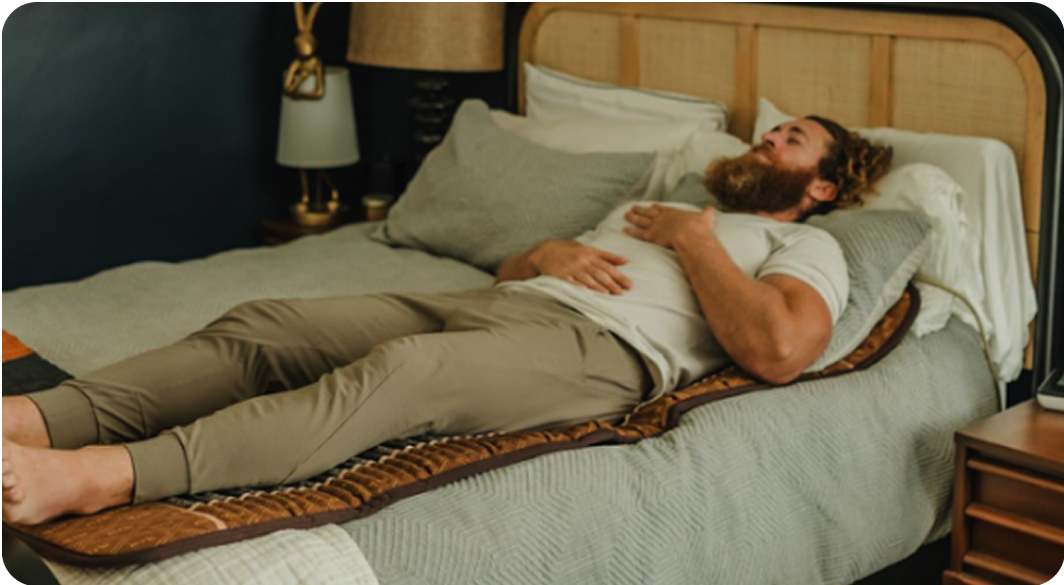
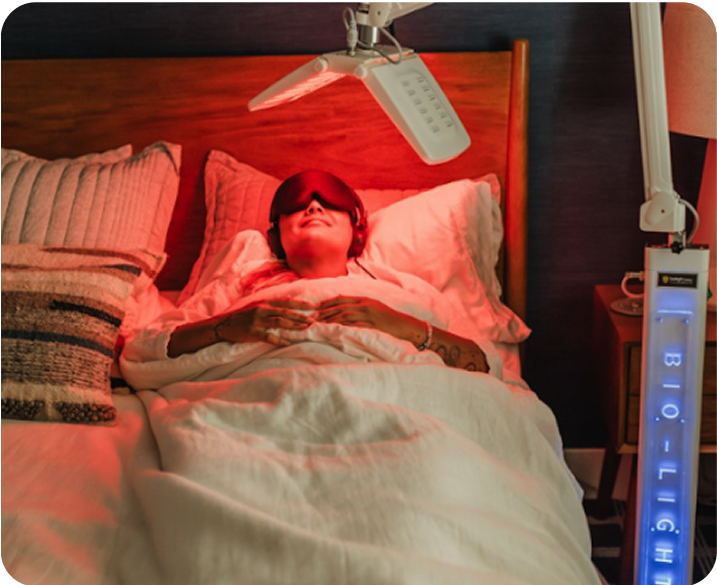
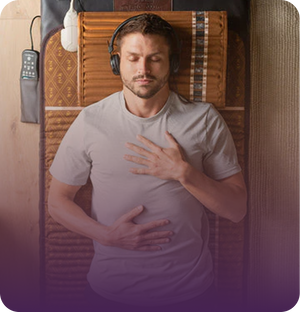
- Overnight Recovery: The Blue or Green setting under the lower back and legs during sleep delivers sustained Far Infrared and Negative Ion therapy through the sleep cycle, when your body does its best repair work.
- Recovery Days: Try 40 to 50 minutes at the Green setting on rest days to help boost circulation and metabolic clearance without adding physical stress to recovering tissue.
- Injury Rehabilitation: Targeted sessions at the Green setting on affected regions may support blood flow, potentially complementing physiotherapy exercises. The BioMat Professional provides full-body coverage for comprehensive recovery sessions at home or on a treatment table.
- Pre-Competition Priming: 20 minutes at the BioMat® Green setting on the morning of a competition activates circulation and lessens residual tension without wearing out your body before a big performance.
Frequently Asked Questions About The BioMat® For Recovery
Should BioMat® sessions be done before or after training?
We recommend doing a session after training for recovery benefits. However, before training, low-setting sessions might boost circulation as warm-up preparation.
Does the BioMat® work for delayed onset muscle soreness appearing 24 to 48 hours after training?
Yes. DOMS peaks during the window when Far Infrared's vasodilatory and heat shock protein effects are most active, making BioMat® particularly well-timed for the 24 to 48 hour post-training period.
Can BioMat® sessions be used on consecutive training days without overloading recovery?
Generally, yes. Daily BioMat® sessions support cumulative recovery without adding physical stress, making them compatible with high-frequency training schedules where full rest days are limited.
Does BioMat® suit injured athletes during rehabilitation?
Yes. Far Infrared supports blood flow to healing tissue, making it appropriate during injury rehabilitation phases. For personalized advice, please consult your doctor before adding the BioMat® to your routine.
Does the BioMat® replace sports massage for post-workout recovery?
They complement each other rather than compete. Sports massage targets physical tension, while BioMat® supports circulatory and cellular recovery on top of tension.
Does the BioMat® require any warm-up or preparation before a post-workout session?
Power it on 10 to 15 minutes before lying down to allow the crystal layer to reach a stable therapeutic temperature. Also, drink water before and after every session. Heat increases fluid demand, and hydration supports the clearance processes that Far Infrared accelerates.
Sources:
- Wiriawan, Oce & Kaharina, Arifah & Akbar, Idzam & Nugraha, A & Festiawan, Rifqi & Pribadi, Heri. (2024). Effects of infrared sauna, traditional sauna, and warm water immersion on accelerated exercise recovery and prevention of cell damage: an experimental study. Retos. 59. 1046-1054. 10.47197/retos.v59.103298
- Leonardi, G., Portaro, S., Milardi, D., Bonanno, F., Sanzarello, I., Bruschetta, D., Sconza, C., Tisano, A., Fontana, J. M., & Alito, A. (2025). Mechanisms and Efficacy of Contrast Therapy for Musculoskeletal Painful Disease: A Scoping Review. Journal of clinical medicine, 14(5), 1441. https://doi.org/10.3390/jcm14051441
- Hu, C., Yang, J., Qi, Z., Wu, H., Wang, B., Zou, F., Mei, H., Liu, J., Wang, W., & Liu, Q. (2022). Heat shock proteins: Biological functions, pathological roles, and therapeutic opportunities. MedComm, 3(3), e161. https://doi.org/10.1002/mco2.161
These statements have not been evaluated by the Food and Drug Administration. These products are not intended to diagnose, treat, cure, or prevent any disease. Specific medical advice should be obtained from a licensed health care practitioner.
Learn more about our editorial standards and medical review process.