



|
Definition: Deep Infrared heat addresses pain by penetrating 6 to 8 centimeters below the skin to reach the joints, muscles, and connective tissue where conditions originate. Unlike topical creams that work at the skin's surface, Far Infrared delivers therapeutic energy directly to the tissue structures involved in ongoing discomfort. The BioMat® holds FDA 510(k) Class II Medical Device certification for arthritis pain, joint pain and stiffness, muscle spasms, and minor sprains, validated through evidence submitted as part of its certification. The Science Behind It: Far-Infrared wavelengths in the 5.6 to 15-micron range match the natural emission frequency of human tissue, allowing cells to absorb Infrared as cellular energy rather than as surface heat. At therapeutic depths, Infrared triggers nitric oxide release, dilates blood vessels, initiates heat shock protein synthesis to repair damaged cells, and reduces inflammatory signaling that sustains chronic conditions. Topical products deliver active ingredients to a depth of 1 to 3 millimeters beneath the skin. The gap between topical and Infrared penetration depth is the exact gap between symptom management and tissue-level treatment. The Science Behind It: Far Infrared wavelengths in the 5.6 to 15 micron range match the natural emission frequency of human tissue, allowing cells to absorb Infrared as cellular energy. At therapeutic depths, Far Infrared supports vasodilation, helping more oxygen and nutrients reach affected tissue, and triggers heat shock protein synthesis, a cellular repair process associated with reduced inflammatory signaling (Hu et al., 2022). Topical products, by comparison, give you active ingredients to a depth of roughly 1 to 3 millimeters beneath the skin. Real-Life Use Examples:
Interesting Fact: Far Infrared rays were first researched by NASA scientists studying how to support astronaut health in zero-gravity environments. The same wavelength properties that are relevant to maintaining cellular function in space are part of what makes therapeutic Infrared useful for deep-tissue support here on Earth. |
Key Takeaways:
- Far Infrared delivers heat deep into the body: Far Infrared penetrates 6 to 8 centimeters into tissue, reaching areas that topical creams and surface heating can’t physically access.
- The BioMat is FDA-Registered for pain relief: The BioMat® holds FDA 510(k) Class II Medical Device registration specifically for arthritis, joint pain, muscle stiffness, and minor sprains.
- Benefits accumulate when the BioMat is used daily: Consistent Infrared sessions tend to produce progressive improvement over time, a cumulative effect that topical products, applied and removed repeatedly, do not provide.
When chronic pain becomes part of daily life, most people start with what's nearest at hand. That might be a cream, a patch, or an over-the-counter gel. These products can offer real, although temporary, relief. But knowing why that comfort fades and what an Infrared heating pad for back pain does differently starts with understanding where pain originates and how deep distinct therapies can reach.
That difference in depth is the foundation of how the BioMat® approaches pain, using Far Infrared heat that reaches well beyond the skin's surface. This is the very same wavelength technology that's been studied and refined for over 25 years. In this article, we walk through that comparison, the research behind Far Infrared's mechanism, and which conditions tend to respond most to daily use.

Why Topical Pain Relief Has Limits
Topical pain products were never designed to reach the tissue structures where chronic pain typically originates. That said, getting to know their mechanism helps explain why surface-level applications often fall short in addressing deep-seated issues.
How Topical Creams Work
Topical pain creams, patches, and gels supply active ingredients, including menthol, capsaicin, and NSAIDs, to nerve endings in the dermis, typically 1 to 3 millimeters below the surface. These agents either create counter-sensations that distract you from pain signals or target local inflammatory activity right at the site of application. But for those of you curious about those little aches and pains: What are they?, our breakdown goes over the common sources of everyday nagging troubles that most people experience, regardless of their overall health.
Why Surface Relief Doesn't Reach The Source
Chronic conditions, including arthritis, herniated discs, and deep muscle injuries, tend to generate pain from structures located 2 to 8 centimeters below the skin. No topical product hits that level, regardless of concentration or how often it's applied. This is part of why topical relief can feel useful right after application but fades back to baseline within hours: the surface sensation changes, but the tissue actually generating the pain signal remains largely untouched. Far Infrared for chronic pain often leads to more lasting results because it's a delivery mechanism that physically reaches deeper.
How Far Infrared Reaches Deep Pain Structures
Infrared mat pain relief works through mechanisms that operate specifically at the tissue depths where chronic pain typically concentrates.
Wavelength Penetration To Tissue Depth
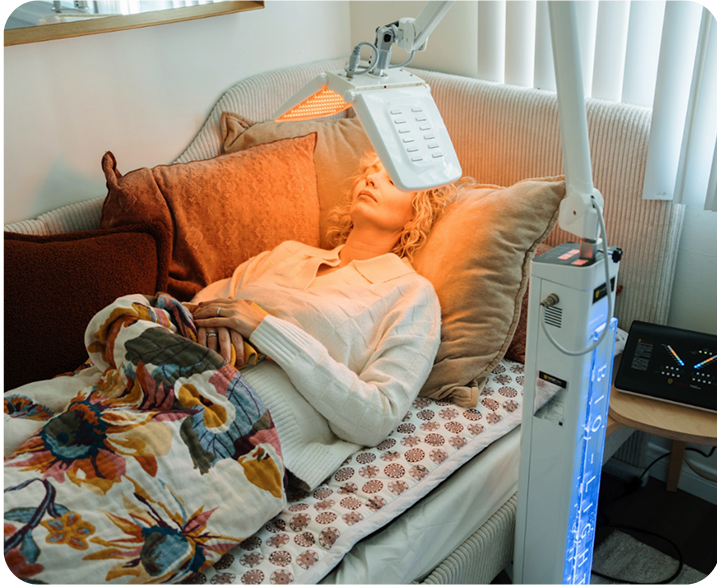
Far Infrared occupies the 5.6 to 15 micron range of the electromagnetic spectrum, matching the natural emission frequency of human tissue. This resonance allows for penetration reaching 6 to 8 centimeters below the skin, accessing muscles, joint capsules, and fascia where chronic pain originates. At these depths, Far Infrared supports vasodilation, increasing oxygen delivery to underperfused tissue and supporting the body's own repair processes, which may help interrupt the cycle that sustains ongoing discomfort. Far Infrared Ray Therapy Clinical Results documents the peer-reviewed research behind these tissue-level outcomes in more detail.
Heat Shock Proteins And Cellular Repair
Far Infrared also induces heat shock protein synthesis within treated cells. These molecular chaperones help protect cell membranes from oxidative damage and support the repair of damaged proteins (Hu et al., 2022). For conditions like arthritis, this may potentially help reduce the cellular stress cycle in which damaged proteins contribute to ongoing inflammatory signaling around joint tissue. Daily sessions allow these repair-supporting effects to accumulate over time, which is part of why frequency tends to matter more than session intensity. 5 Benefits of the Holistic Approach to Managing Chronic Pain explains why multi-mechanism, consistent approaches tend to outperform single-modality treatments for long-term pain management.

Why Infrared Therapy Offers Advantages Over Topicals
Here are a few reasons why Far Infrared therapy offers a unique kind of support for chronic pain management than creams, patches, or gels:
- Temperature Control: Adjustable settings from 95°F to 158°F on the BioMat® let users customize heat intensity to their specific condition, sensitivity level, and session goals.
- Sleep And Pain Recovery: Sessions before bed may support better sleep, helping to interrupt the pain-disrupted sleep cycle that might amplify pain sensitivity overnight.
- No Chemical Absorption: The BioMat® provides its benefits without introducing chemicals into the bloodstream, which may suit those sensitive to NSAID ingredients or managing multiple medication interactions.
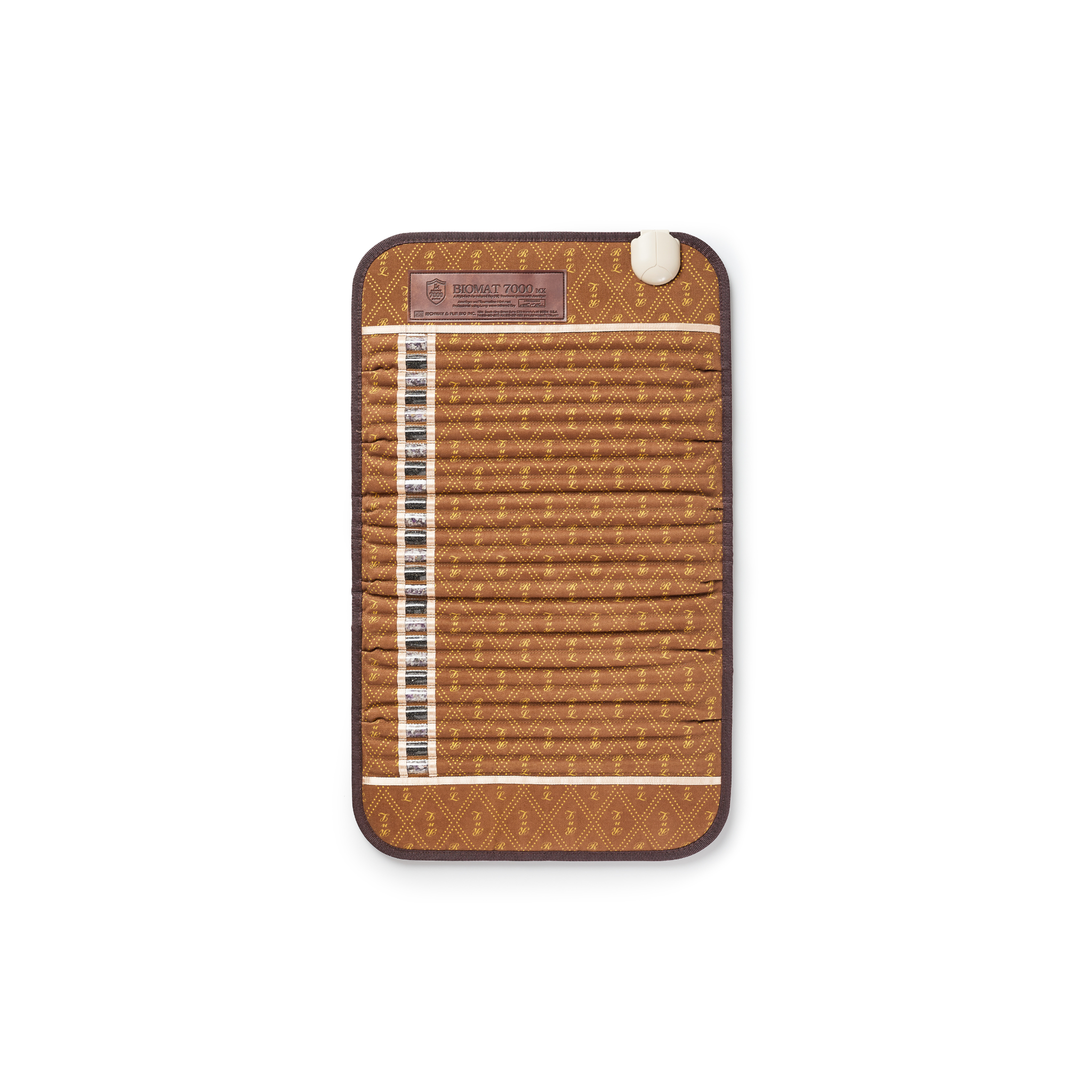
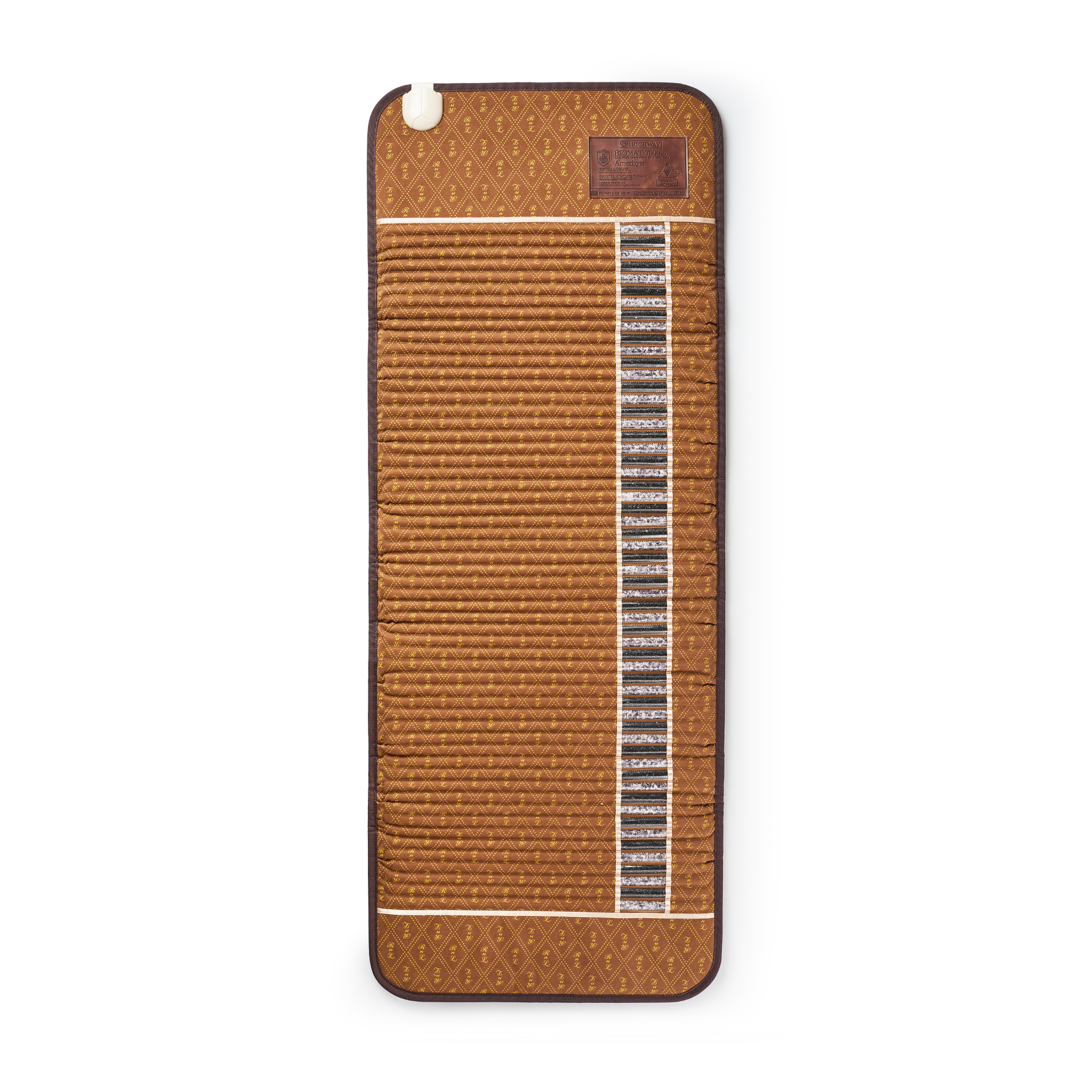
- Whole-Body Treatment: A full-size BioMat® treats the entire body at once, addressing multi-site discomforts that topical products can only approach one location at a time.
- Cumulative Improvement: Daily sessions tend to produce progressive improvement in baseline comfort over the course of a couple weeks. Topical products, by contrast, reset with each application and don't accumulate benefits the same way.
- Minimal Preparation: With no prescription, no messy application, and no waiting for absorption, all you have to do is let your BioMat® heat up to your desired temperature, lie back, and relax.

Conditions That May Respond To Deep Infrared Therapy
Different chronic pain conditions share one characteristic that’s relevant here: their pain sources lie in deep tissue structures that Far Infrared can reach, while topical relief generally cannot.
Back Pain And Negative Ion Support
Incessant back pain from injury, disc compression, or sustained muscle tension typically originates in structures 3 to 6 centimeters below the skin. Far Infrared reaches these directly, supporting circulation in compressed tissue and helping to ease the inflammatory cycle that can develop in injured muscles and ligaments. Negative Ions generated by the BioMat®'s heated Tourmaline crystals may also help address oxidative stress in tissue, complementing the Infrared mechanism. In fact, BioMat® pairs Amethyst with black Tourmaline to amplify Negative Ions, producing approximately 3,236 Negative Ions per cubic centimeter, which is nearly double the output of comparable Infrared mats. Back Injuries Benefit from BioMat Negative Ions covers how Negative Ion therapy supports recovery in more detail.
BioMat® For Fibromyalgia And Widespread Pain
BioMat® for fibromyalgia addresses a distinctive challenge the condition presents: widespread, systemic pain without a single localized source. Topical relief struggles here precisely because it can only treat one location at a time. In contrast, Far Infrared delivered across an entire mat surface treats the full body simultaneously, which may help address the broader sensitization associated with fibromyalgia. Fibromyalgia: The Mysterious Disease That Targets Women covers the condition's background, why it disproportionately affects women, and what makes it so difficult to treat.
BioMat® Arthritis Relief
This use case is one of the BioMat®'s most established FDA-cleared applications, supported by clinical evidence for joint pain and stiffness. Far Infrared's ability to reach joint capsules and surrounding connective tissue, well beyond where topical creams can penetrate, is central to why this indication holds up. Combined with the circulatory and cellular repair mechanisms described above, this is one of the clearest examples of how penetration depth translates into a meaningful therapeutic experience.
Frequently Asked Questions About Infrared Heating Pads For Back Pain
How long before Infrared therapy produces noticeable pain reduction?
Most users report initial improvement within 2 to 4 weeks of consistent daily sessions, with deeper cumulative improvements developing over 8 to 12 weeks.
Can Infrared therapy be used safely alongside prescribed pain medications?
Generally, yes, but users taking medications that affect heat sensitivity or circulation should consult their physician before beginning Infrared therapy sessions.
Does Infrared heat therapy help with nerve pain or neuropathy?
Far Infrared may improve circulation to nerve-affected tissue, which might help manage neuropathy symptoms alongside medical treatment.
How does Infrared therapy compare to TENS or ultrasound for chronic pain?
TENS works by modifying nerve pain signals electrically, while ultrasound targets localized tissue. In comparison, Infrared treats the entire contact area at once through circulation support, cellular repair, and heat shock protein activation.
Does cold therapy or Infrared work better for acute pain flare-ups?
Cold therapy is generally more effective for reducing acute inflammation immediately after an injury. Infrared tends to support longer-term healing once acute inflammation has subsided, making the two complementary rather than competing approaches.
How frequently should Infrared sessions be used?
Daily sessions of 30 to 60 minutes tend to produce the most consistent cumulative outcomes for most users. As with any new wellness routine, those managing specific medical conditions should check with their physician about the appropriate frequency.
Sources:
- Hu, C., Yang, J., Qi, Z., Wu, H., Wang, B., Zou, F., Mei, H., Liu, J., Wang, W., & Liu, Q. (2022). Heat shock proteins: Biological functions, pathological roles, and therapeutic opportunities. MedComm, 3(3), e161. https://doi.org/10.1002/mco2.161
These statements have not been evaluated by the Food and Drug Administration. These products are not intended to diagnose, treat, cure, or prevent any disease. Specific medical advice should be obtained from a licensed health care practitioner.
Learn more about our editorial standards and medical review process.