


Key Takeaways:
- The have different biological targets: BioMat® delivers deep tissue infrared heat and negative ions. PEMF delivers electromagnetic pulses. Both address different biological mechanisms simultaneously.
- BioMat is a FDA Class II Medical Device: BioMat® holds FDA 510(k) Class II Medical Device certification for pain relief. Most PEMF devices do not carry equivalent medical device regulatory status.
- The BioMat uses crystal therapy: Amethyst amplification and Tourmaline Negative Ion generation are exclusive to BioMat® technology and absent from every PEMF device configuration.
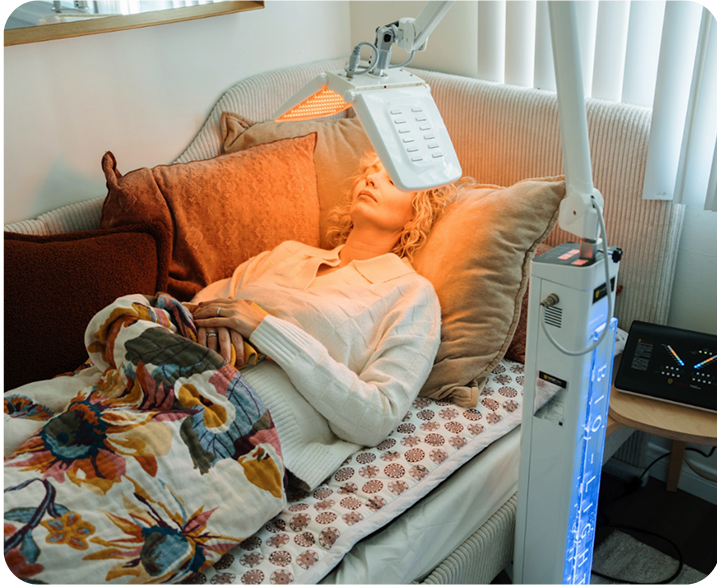
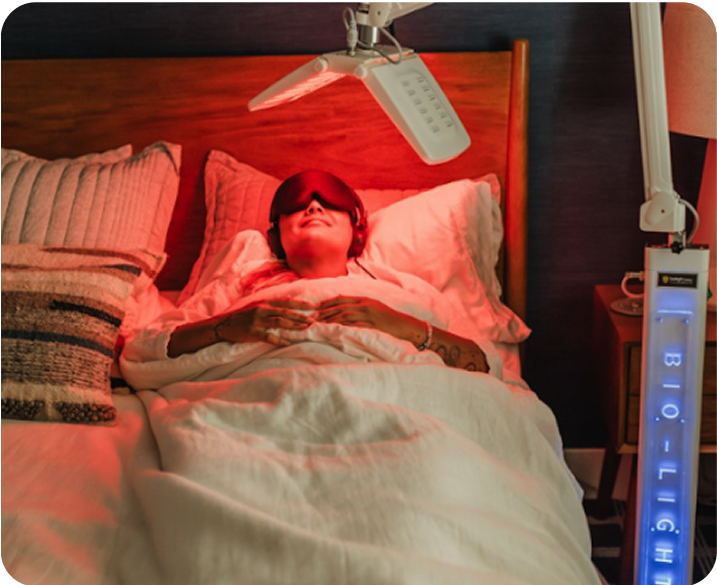
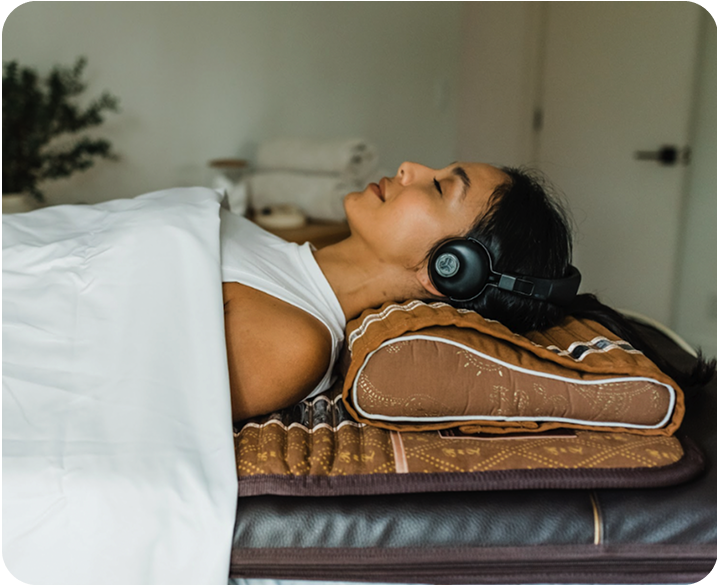
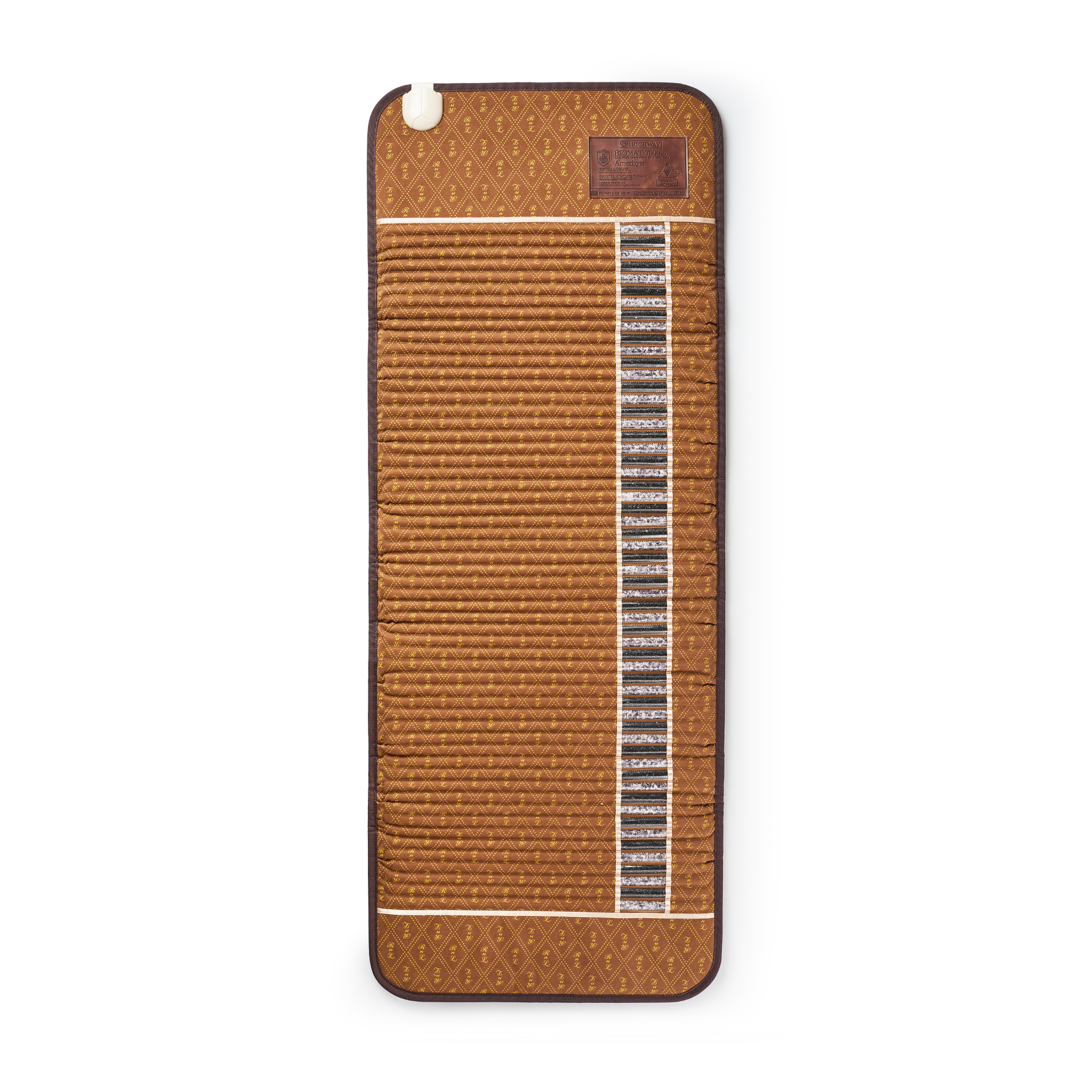
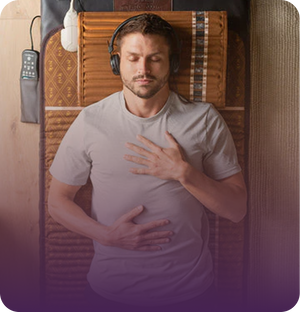
If you've been researching wellness mats, you've likely come across both Far Infrared devices like the BioMat® and pulsed electromagnetic field (PEMF) mats. Both have legitimate research behind them, and both have helped people manage their conditions. For instance, at BioMat, we have spent over 25 years building FDA-registered Infrared crystal therapy validated by independent clinical research and trusted by 500K+ users worldwide.
Regardless, when evaluating BioMat® vs PEMF, they work through entirely different mechanisms, which means the better choice often depends on what you're trying to address. This post breaks down how each technology works, where the research stands, and why Far Infrared heat combined with crystals tends to be a stronger fit for the conditions most people are searching for relief from.
How PEMF Therapy Works
PEMF is a legitimate therapy with its own research base, and it's worth understanding on its own terms before comparing it to Infrared.
The Pulsed Electromagnetic Field Mechanism
PEMF devices generate low-frequency electromagnetic fields (EMFs) that pulse through tissue without producing heat. These pulses induce weak electrical currents within cells, supporting ion exchange across cell membranes and the electrical signaling involved in cellular repair. This is fundamentally a cellular-electrical approach rather than a thermal one, since PEMF does not warm tissue, trigger vasodilation, or produce perspiration the way thermal therapies do. For an introduction to PEMF mats, this article covers the basic mechanism in more detail.
Where PEMF Has Documented Applications
PEMF has evidence-based uses for increasing bone density, targeting pain, and supporting sleep, with electrical stimulation that supports recovery without thermal intervention. It has also received mainstream medical attention for applications in improving energy and helping to burn calories. Dr. Oz Looks at PEMF Therapy covers some of that attention and the different PEMF device formats, including mats, knee wraps, and disposable patches, that have entered the consumer market.

Infrared vs. Electromagnetic Therapy: Where The BioMat® Adds More
A PEMF mat comparison against the BioMat® reveals that the two devices operate at fundamentally unique physical levels. Plus, the BioMat® brings several mechanisms that PEMF doesn't.
Deep Tissue Heat
Far Infrared penetrates tissue with absorbed energy that matches the body's own cellular emission frequency, triggering thermal responses including vasodilation and heat shock protein synthesis that persist for hours after a session ends. This thermal cascade is unlike the pathway PEMF's electrical stimulation uses. In particular, heat contributes to circulation, bringing more oxygen to muscle tissue. As circulation improves, tension tends to ease. This is why Far Infrared therapy has been studied for muscle relaxation and minor physical discomfort, and why it lines up with the BioMat®'s FDA clearance for temporary relief of minor pain, muscle relaxation, and local circulation improvement. How the BioMat® Heals covers these mechanisms in more detail.
Crystal Amplification And Negative Ions
The BioMat® adds two mechanisms no PEMF device offers: natural Amethyst crystal amplification, which distributes Far Infrared more evenly and at greater depth, and black Tourmaline-generated Negative Ions, which may help address oxidative stress (Jiang et al., 2018). These mechanisms work alongside the thermal benefits of Far Infrared, giving BioMat® PEMF therapy comparisons a meaningfully wider scope than electromagnetic stimulation alone. For further reading, Far Infrared Ray Therapy Clinical Results covers the broader clinical research behind these outcomes, and BioMat Research documents the peer-reviewed evidence base specific to BioMat® technology.

BioMat vs. PEMF: Mechanism, Technology, And FDA Status
The clearest way to understand PEMF therapy vs. Infrared is to look at what each device is actually doing inside the body.
Mechanism
PEMF delivers pulsed electromagnetic fields (EMFs) that stimulate cellular electrical activity without producing heat. In contrast, the BioMat® provides Far Infrared heat that penetrates 6 to 8 centimeters into tissue, supporting vasodilation and cellular repair. Because PEMF produces no heat, it doesn't trigger the perspiration, warming sensation, or heat shock protein activation that typically accompanies a BioMat® session.
Technology
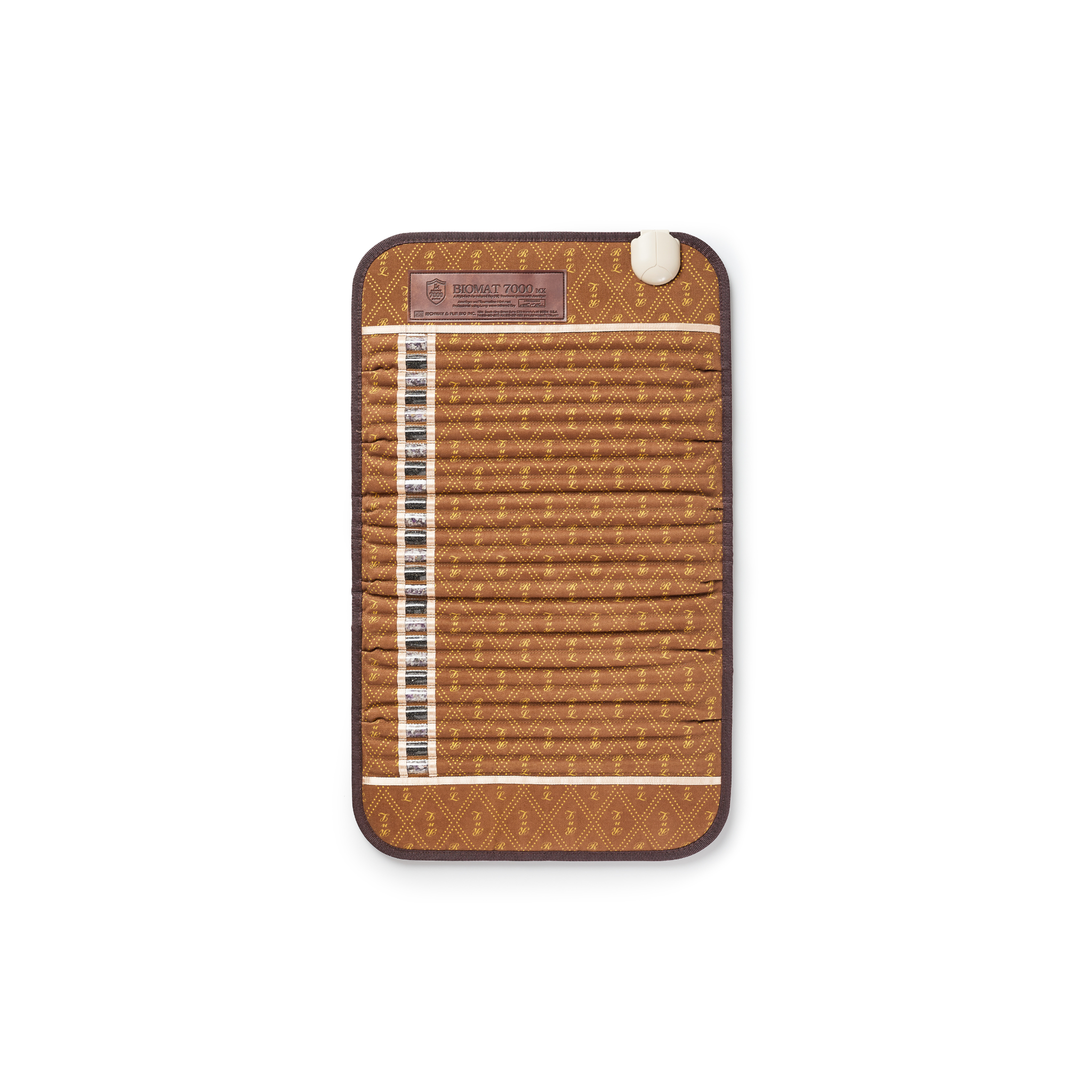
Unlike PEMF devices, which only create EMFs, the BioMat® creates a Negative Ion-enriched environment through heated black Tourmaline crystals. These are invisible molecules with an extra electron that are found abundantly in nature (Jiang et al., 2018). Some preliminary research suggests it may have a potential role in reducing stress markers and improving air quality (Nakane et al., 2002; Jiang et al., 2018). In addition, the BioMat® uses natural, carefully inspected Amethyst and black Tourmaline crystals to amplify Infrared output. PEMF devices contain no crystal components and produce no crystal-amplified therapeutic energy.
FDA Status
On the regulatory side, the BioMat® holds FDA 510(k) Class II Medical Device registration for the temporary relief of arthritis pain, joint pain and stiffness, muscle spasms, and minor sprains. Most consumer PEMF devices are sold as general wellness products without equivalent medical device clearance. However, some clinical PEMF applications, like bone fusion devices, do carry their own approval for specific uses.
Condition Matching: Which Therapy Fits Which Need
PEMF tends to be better suited for targeting bone density, nerve repair, and wound healing, where cellular electrical stimulation may support structural recovery. The BioMat® is generally the stronger fit for general pain, stress management, sleep support, and recovery-focused needs, where therapeutic crystals, soothing Far Infrared heat, and purifying Negative Ions are the primary drivers of improvement.
Cost is also worth factoring in. PEMF devices typically run significantly higher than a comparable BioMat®, often at least twice the price of the BioMat® Professional and well above the BioMat® Mini, which matters for anyone weighing options against a budget. But for users managing complex or overlapping conditions, the two therapies aren't mutually exclusive. Combining BioMat® sessions with PEMF might address more targets than either approach alone, since they often work through complementary mechanisms.

Final Thoughts
PEMF and the BioMat® are both legitimate therapies, but they're solving different problems. If bone healing, nerve repair, or cellular electrical stimulation is the primary goal, PEMF brings value. For ongoing pain, stress, and broader whole-body recovery, the BioMat®'s combination of deep tissue heat, Negative Ions, and crystal amplification offers a wider and more thoroughly validated range of benefit, backed by FDA Class II Medical Device clearance that many PEMF devices don't carry.
Frequently Asked Questions About BioMat vs. PEMF
Can the BioMat® be used before or after PEMF sessions?
Potentially, yes. Using the BioMat® before PEMF may improve circulation, potentially supporting the effectiveness of PEMF-induced cellular stimulation.
Is PEMF therapy better than Infrared for bone fracture healing?
PEMF has stronger documented evidence specifically for bone and fracture healing. The BioMat® tends to be the stronger choice for enhanced circulation and broader pain and stress management.
Does the BioMat® require special setup or expertise to operate?
No. The BioMat® uses simple digital temperature controls that most users learn within minutes, with no training or supervision required for home use.
Does the BioMat® support sleep improvement in a way PEMF does not?
The BioMat® supports a natural post-session temperature drop that may help with sleep onset. PEMF does not produce an equivalent thermal effect tied to sleep because it does not generate heat.
Which therapy is safer for users with implanted metal devices or pacemakers?
Both require physician consultation for users with implants or pacemakers. The BioMat® includes EMF-blocking technology, but thermal effects near implants still require individual medical clearance.
Which therapy produces noticeable results faster?
The BioMat® typically produces noticeable relaxation and comfort within the first few sessions. PEMF's effects on deep tissue repair tend to build more gradually over consistent use.
Sources:
- Jiang, S. Y., Ma, A., & Ramachandran, S. (2018). Negative Air Ions and Their Effects on Human Health and Air Quality Improvement. International journal of molecular sciences, 19(10), 2966. https://doi.org/10.3390/ijms19102966
- Nakane, H., Asami, O., Yamada, Y., & Ohira, H. (2002). Effect of negative air ions on computer operation, anxiety and salivary chromogranin A-like immunoreactivity. International journal of psychophysiology : official journal of the International Organization of Psychophysiology, 46(1), 85–89. https://doi.org/10.1016/s0167-8760(02)00067-3
These statements have not been evaluated by the Food and Drug Administration. These products are not intended to diagnose, treat, cure, or prevent any disease. Specific medical advice should be obtained from a licensed health care practitioner.
Learn more about our editorial standards and medical review process.